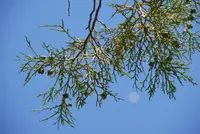
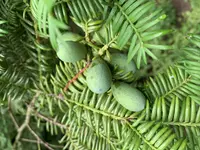
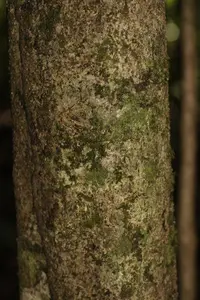
Young tree staking
Stake only the first 1–2 years using a single low, flexible tie on the lower trunk, and remove the stake as soon as the root system anchors to avoid a weak, wind‑dependent tree structure.

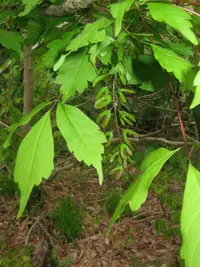
Vine-leaved maple (Acer cissifolium) is a small deciduous tree valued for its delicate, three-part leaves that resemble a vine. It usually develops a graceful, airy crown and fine branching that suits smaller gardens.
This species is native to Japan, where it grows in mountain woodlands. It is known for good cold tolerance and reliable structure rather than showy flowers.
Gardeners appreciate its manageable size and generally steady growth, which makes it relatively straightforward to care for Vine-leaved Maple in temperate climates.
It prefers light, well-drained soil with consistent moisture and benefits from a site with full sun to light shade and some shelter from harsh drying winds.

Care Difficulty
Moderate Care

Light Preference
Partial Shade

Water Requirements
Moderate Water

Temperature Preference
Cold Hardy

Hardiness Zone
5–7

Soil Texture
Loamy, Sandy, Organic-rich

Soil pH
Acidic (5.5–6.5), Slightly acidic (6.5–7.0)

Soil Drainage
Moist but well-drained

Fertilization
Minimal (feed rarely)
Scan your plant to receive care tips personalized for your specific plant
Available on iOS and Android
This small deciduous tree prefers bright, gentle light that avoids harsh afternoon sun in most climates.
This maple prefers evenly moist, well-drained soil and reacts poorly to both drought and waterlogging.
This species grows best in temperate climates with cool to warm summers and cold but not extreme winters.
This maple prefers moderate ambient humidity but usually adapts to typical outdoor conditions.
This species grows best in moist, well-aerated, loamy soil that does not stay waterlogged.
This species can be grown in containers for some years if the pot and medium are managed carefully.
This small maple grows well in decent garden soil and needs only modest feeding.
Pruning Acer cissifolium is mainly about maintaining structure and removing problem wood.
This maple is usually grown in the ground, so focus on careful planting and occasional transplanting rather than frequent repotting.
Acer cissifolium can be propagated, but it responds best to patient, methodical techniques rather than quick methods.
This species is generally cold hardy in suitable climates and often needs little special winter attention.

Plant Health Check
Not sure what's wrong with your plant? Check your plant's health inside the app.
Despite being a maple, this species has leaves divided into three long, narrow leaflets that closely resemble those of some grape vines, which is reflected in its common name vine-leaved maple.
This species is usually dioecious, meaning individual trees bear either male or female flowers, so both sexes in proximity are needed for good seed production.
In spring it produces slender, drooping clusters of small yellowish flowers that resemble delicate catkins and are important early nectar sources for pollinating insects in its native range.

Acer cissifolium was one of the early Japanese maples introduced to Western cultivation in the late 19th century, and its restrained size, refined foliage, and reliable autumn color made it a parent or influence in the selection of several compact ornamental maples now used in smaller gardens.
This species has a moderate growth rate. Young trees usually add 20–35 cm per year, slowing as they mature. Growth speed depends on soil quality, moisture consistency, climate, and avoiding root disturbance after planting.
Keep your plants happy and healthy with plant identification, disease detection, and easy care guidance.