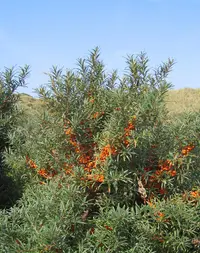
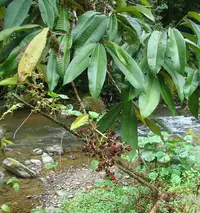
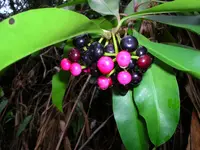
bursting-heart Care (Euonymus americanus)

Also known as: strawberry bush, American strawberry bush, hearts-a-bustin', hearts-a-bustin' with love
bursting-heart

About bursting-heart

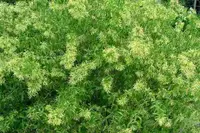
Bursting-heart (Euonymus americanus) is a deciduous shrub native to woodlands and stream banks in the eastern United States. It stays relatively small and forms a loose, airy shape.

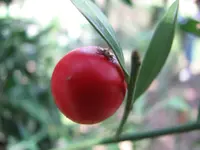
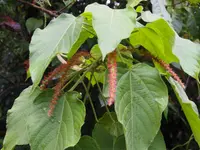
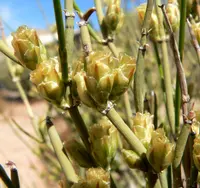
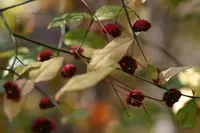
The plant is best known for its bright pink fruit capsules that split open in fall to reveal orange-red seeds, giving it the name bursting-heart. Its stems are often green and slightly winged, with simple, finely toothed leaves.

This species prefers partial shade, consistent moisture, and well-drained, humus-rich soil. It is generally slow-growing and not demanding, but can be sensitive to drought and compacted soil, which influences how to care for bursting-heart.

Main Plant Requirements

Care Difficulty

Moderate Care

Light Preference

Partial Shade

Water Requirements

Moderate Water

Temperature Preference

Cold Hardy

Hardiness Zone

6–9

Soil Texture

Sandy, Loamy, Organic-rich

Soil pH

Acidic (5.5–6.5), Slightly acidic (6.5–7.0)

Soil Drainage

Moist but well-drained

Fertilization

Minimal (feed rarely)

Get Personalized Care Plan

Scan your plant to receive care tips personalized for your specific plant

Available on iOS and Android

How to Care for the bursting-heart

Euonymus americanus prefers bright but not harsh exposure that mimics an open woodland edge.

  • Provide 3–6 hours of direct morning sun with light afternoon shade, or bright dappled light all day, to support flowering and fruiting in bursting-heart.
  • In hot summers, protect from intense sun after 1–2 p.m. to prevent leaf scorch, especially on dry or sandy sites.
  • In deep shade, stems grow sparse and leggy; choose a spot with at least bright filtered light, particularly from spring to early autumn.

This deciduous shrub favors evenly moist, well-drained soil rather than constant wetness.

  • Water when the top 3–5 cm of soil feels dry, aiming for moist but not soggy conditions, especially during the first 1–2 growing seasons.
  • Reduce watering frequency in autumn and stop supplemental watering in winter once the ground is naturally moist and the plant is dormant.
  • Watch for yellowing, soft leaves or dieback as signs of overwatering and root stress, and for crisp leaf edges and premature leaf drop as signs of drought in Euonymus americanus.

This native shrub is hardy in a wide temperature range but grows best in moderate conditions.

  • Active growth is strongest around 60–80°F (16–27°C), typical of late spring and early summer in many temperate regions.
  • Mature plants tolerate winter lows near 0°F (-18°C) in the ground, but young shrubs benefit from mulch to buffer freeze–thaw cycles.
  • In hot climates with summer highs above 90°F (32°C), combine light afternoon shade with consistent soil moisture to reduce heat stress and leaf scorch.

This species is adapted to outdoor conditions and does not have strict humidity requirements in typical temperate climates.

This shrub prefers moist, well-structured mineral soil that stays aerated and does not remain waterlogged.

  • Use a loamy soil with moderate organic matter, such as native soil blended with 20–30% compost, to mimic woodland edges.
  • Ensure drainage is steady but not rapid; soil should retain moisture yet form only brief surface puddles after heavy rain.
  • Aim for slightly acidic to neutral pH, around 5.5–7.0, which supports nutrient availability for Euonymus americanus.
  • Avoid heavy, compacted clay or sites that stay saturated for days; incorporate coarse sand or fine bark to improve aeration and drainage where needed.

This species can be grown in containers, mainly for young plants or temporary placement.

  • Choose a deep, heavy container so the root system is anchored and the top growth does not tip the pot in wind.
  • Select a potting mix that drains freely yet holds moisture, then elevate the container so drainage holes never sit in standing water.
  • Use light-colored or thick-walled pots in hot climates to limit root-zone heat and reduce rapid drying in summer conditions.

Euonymus americanus is a woodland shrub that grows well in average garden soil but benefits from light feeding in poor or very sandy sites.

  • Use a balanced, slow-release fertilizer (for example 10-10-10) or a thin layer of compost in early spring.
  • Apply once in spring and, if growth is weak, once more in mid-summer during the active growing season.
  • Use about half the label rate around the root zone, keeping granules off stems and foliage.
  • Stop feeding by late summer to avoid soft growth that is vulnerable in winter; do not fertilize in winter dormancy.

Euonymus americanus responds well to light, selective pruning that maintains its natural, open form and supports flowering.

  • Plan structural pruning for late winter to very early spring before new growth starts.
  • Remove dead, damaged, crossing, or crowded stems first to improve air flow and reduce disease risk.
  • Thin older stems at the base rather than shearing tips to keep a graceful shape and encourage new shoots.
  • Use clean, sharp bypass pruners and make angled cuts just above a healthy bud or branch junction.

This species is most often grown in the ground, so focus on careful transplanting rather than frequent repotting.

  • Transplant young bursting-heart shrubs in early spring or early fall when temperatures are mild and soil is workable.
  • Look for signs such as roots circling the container, slow growth, or the plant drying out quickly as cues to shift to a larger space.
  • Move into a hole or container 1–2 sizes larger, using well-drained, humus-rich soil at the same planting depth as before.
  • Water thoroughly after planting, then keep soil evenly moist and provide light shade for 1–2 weeks to reduce root stress.

This shrub is most often propagated by semi-hardwood cuttings or seed, both of which demand patience and consistent moisture.

  • Take semi-hardwood stem cuttings in mid to late summer, 10–15 cm long, with several leaf nodes.
  • Insert cuttings in a moist, well-drained medium, use rooting hormone, and keep in bright shade with high humidity until rooted.
  • Collect ripe capsules in fall, clean the seeds, and provide cold stratification at 34–41°F for several months before sowing.
  • Sow stratified seeds in a free-draining mix, keep evenly moist, and expect slow, staggered germination.

Euonymus americanus is cold hardy in much of its native range and usually needs minimal winter care once established in the ground.

  • In exposed or northern sites, apply a 5–8 cm layer of mulch around the root zone, keeping it away from the stems.
  • Container-grown plants are more vulnerable; move them into an unheated garage or shelter where roots stay above about 20°F.
  • Brush off heavy wet snow from branches to reduce breakage but allow light, dry snow to act as natural insulation.

Care Tips

Site for fruit display

Place shrubs where autumn fruit clusters are visible from paths or windows, since birds often disperse seeds and help naturalize populations when attracted to the exposed capsules.

Understory companion planting

Combine plants with open, high canopies such as dogwoods or deciduous azaleas to mimic light woodland edges, which reduces stress and supports more natural growth habits when growing bursting-heart.

Deer and rabbit management

Use physical barriers like low wire fencing or tree guards around young plants in high-browsing areas, since tender stems are often grazed before shrubs have time to establish a strong framework.

Targeted renewal pruning

Every 3–4 years remove a few of the oldest stems at ground level in late winter to encourage fresh basal shoots and maintain a dense, wildlife-friendly structure.

Seedling recruitment zones

Leave a narrow unmown or lightly managed strip of leaf litter around mature plants so self-sown seedlings can establish, then selectively thin and transplant the strongest young shrubs to new locations.

Common Pests and Diseases

Euonymus scale

This pest attaches to stems and leaves, sucking sap and causing yellowing, stunted growth, and dieback on twigs. Heavy infestations can give branches a crusted, grayish appearance and weaken the shrub over time.

Solution

Prune out and discard heavily infested stems, then wash remaining stems and leaves with a stiff spray of water to dislodge crawlers. For ongoing Euonymus americanus care outdoors, monitor in late spring for mobile crawler stages and treat with a light horticultural oil or insecticidal soap, repeating at intervals according to label directions to break the life cycle.

Powdery mildew

This disease produces a white, powdery coating on leaves, especially in shaded, still, or humid conditions. Symptoms include distorted new growth and a general decline in vigor if the infection is heavy and recurring.

Solution

Improve air circulation by thinning crowded stems and avoiding dense plantings, and water at the base rather than overhead to keep foliage dry. Remove and dispose of heavily affected leaves, and if mildew recurs each year, apply a labeled fungicide at the first sign of white patches, repeating as needed per product instructions.

Anthracnose leaf spot

This disease causes tan to dark-brown spots with irregular margins on leaves, which may merge into larger blotches and lead to early leaf drop. Symptoms include more intense damage during cool, wet spring weather when spores spread easily by splashing rain.

Solution

Rake and discard fallen leaves to reduce the source of spores, and avoid overhead irrigation that keeps foliage wet for long periods. In sites with a history of anthracnose, consider preventive fungicide sprays in early spring and prune to open the canopy so leaves dry faster after rain.

Aphids

These insects cluster on tender shoots and undersides of leaves, sucking sap and causing curling, distortion, and sticky honeydew that can attract sooty mold. New growth may appear stunted and heavily infested stems may weaken over time.

Solution

Spray infested shoots with a firm jet of water to knock aphids off the plant and repeat every few days as needed. Encourage or protect natural predators such as lady beetles, and if populations stay high, use insecticidal soap or a light horticultural oil, coating the undersides of leaves thoroughly.

Interesting Facts

Exploding seed capsules

The shrub produces pink, warty capsules that split open to reveal bright red arils around the seeds, giving rise to the common name bursting-heart or strawberry bush. These dehiscent fruits are an adaptation for visual attraction of birds that disperse the seeds.

Highly deer-preferred foliage

In many eastern US forests, white-tailed deer selectively browse this shrub, often so heavily that plants remain stunted or disappear from areas with high deer density. This browsing pressure can make the species scarce in overgrazed woodlands despite its ability to grow in suitable shade and soil.

Shade-tolerant understory shrub

This species naturally grows in the understory of mixed hardwood forests from New York to Florida and west to Texas, favoring moist, well-drained, slightly acidic soils. It tolerates considerable shade yet still flowers and fruits, which is notable among native ornamental shrubs.

Botan icon

Did you know?

The fruits and leaves of this species are toxic to humans and many mammals if eaten, yet birds can safely consume the fleshy red arils, creating a selective advantage for avian seed dispersal while discouraging many mammal herbivores.

FAQs about bursting-heart

This shrub forms loose clumps and can slowly expand from its base, but it is not considered aggressive. It spreads modestly in suitable woodland conditions and usually stays manageable in typical home landscapes without special containment.

Grow Healthy Plants with Botan Care

Keep your plants happy and healthy with plant identification, disease detection, and easy care guidance.

Botan plant care app — identify plants on mobile

Explore More Plants