Encourage Clumping Habit
Periodically remove a few of the oldest, most shaded stems at ground level to encourage new shoots from the crown and keep the plant forming a dense, attractive clump rather than becoming patchy and open.

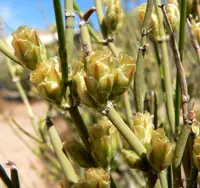
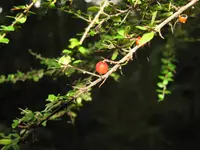
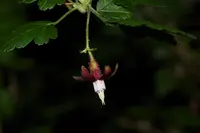
Torrey's jointfir, Ephedra torreyana, is a drought-adapted shrub from the arid southwestern United States and northern Mexico. It belongs to a group of ancient gymnosperms related to conifers, not true flowering shrubs.
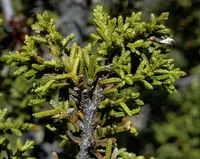
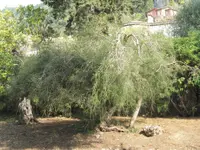
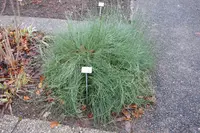
Plants form low, spreading clumps of many thin, segmented green stems with very small, scale-like leaves. The overall look is twiggy and architectural, often used in dry, naturalistic landscapes.
This species is adapted to poor, sandy or rocky soils, intense sun, and very low rainfall, which makes it suitable for xeriscapes. Once its needs are understood, it is relatively simple to care for Torrey's jointfir in warm, dry regions.

Care Difficulty
Easy Care

Light Preference
Full Sun

Water Requirements
Low Water

Temperature Preference
Cold Hardy

Hardiness Zone
6–9

Soil Texture
Sandy, Loamy, Rocky

Soil pH
Slightly alkaline (7.0–7.5), Alkaline (7.5–8.5)

Soil Drainage
Well-drained

Fertilization
Minimal (feed rarely)
Scan your plant to receive care tips personalized for your specific plant
Available on iOS and Android
This desert shrub needs intense light to stay compact and healthy.
This species is highly drought-adapted and prefers infrequent, deep watering.
This plant is adapted to wide temperature swings typical of arid regions.
This desert shrub handles low humidity well and rarely needs special moisture control indoors.
This species prefers very fast-draining, mineral soil that mimics rocky desert habitats.
This species adapts reasonably well to container growing if given a deep, stable, very free-draining setup.
This desert-adapted shrub needs minimal feeding, so fertilization for Ephedra torreyana should be light and infrequent.
Pruning Ephedra torreyana is mainly corrective, used to maintain structure and remove damaged growth.
Transplanting this deep-rooted desert shrub needs planning, as it dislikes frequent disturbance.
Propagation of Ephedra torreyana is possible but relatively slow, most often done from seed.
This species is generally cold hardy in much of its native range and needs little active winter care.

Plant Health Check
Not sure what's wrong with your plant? Check your plant's health inside the app.
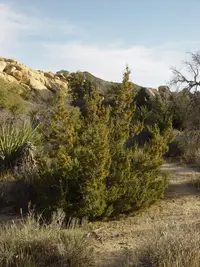
This species is native to arid regions of the US Southwest and northern Mexico, where it forms low, broom-like shrubs on dry, often sandy or gravelly soils and rocky slopes.
Instead of broad leaves, it has very small, scalelike leaves that quickly dry and persist at the stem joints, an adaptation that reduces water loss in its hot, dry habitat.
It produces separate male and female cone-like structures on the same or different plants, and relies on wind rather than insects to move pollen between them.

This species is considered a relict of an ancient lineage, with fossils of related ephedras known from the Mesozoic era, so modern plants closely resemble some of the earliest seed plants adapted to dry environments.
Growth is generally slow to moderate. In suitable dry, sunny conditions, this shrub often adds about 5–15 cm of height per year, reaching its mature size over many years rather than a few seasons.
Keep your plants happy and healthy with plant identification, disease detection, and easy care guidance.