Shelterbelt Positioning
Plant young trees within a mixed-species shelterbelt or behind a windbreak fence to reduce desiccating winds that can damage their fine juvenile foliage and slow establishment.

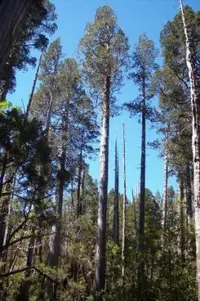
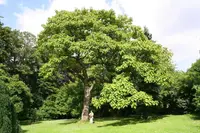
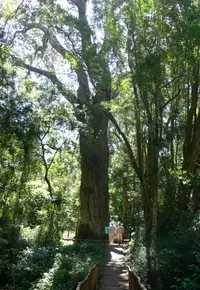
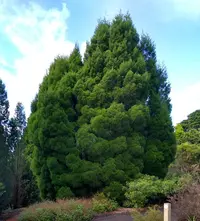
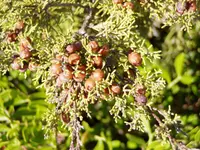
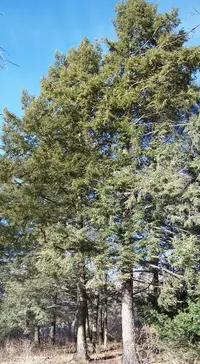
Patagonian cypress (Fitzroya cupressoides) is a long-lived, slow-growing conifer tree from the Andes of southern Chile and Argentina. It forms a tall, straight trunk with dense, scale-like foliage arranged in small, overlapping leaves. Mature trees develop a narrow, columnar crown and reddish, fibrous bark that peels in strips. In nature, it grows in cool, very wet, often misty forests on acidic, well-drained soils. The species is sensitive to heat, drought, and air pollution, which makes it challenging outside suitable climates. Gardeners who want to care for Patagonian Cypress often need cool summers, high humidity, and consistently moist soil to keep it healthy over the long term.

Care Difficulty
Hard Care

Light Preference
Full Sun

Water Requirements
Regular Water

Temperature Preference
Cool Climate

Hardiness Zone
8–10

Soil Texture
Loamy, Silty, Organic-rich

Soil pH
Strongly acidic (4.5–5.5), Acidic (5.5–6.5)

Soil Drainage
Moist but well-drained

Fertilization
Minimal (feed rarely)
Scan your plant to receive care tips personalized for your specific plant
Available on iOS and Android
This slow-growing conifer prefers bright, cool conditions with protection from harsh sun.
This species prefers consistently moist, cool soil but suffers in waterlogged conditions.
This long-lived conifer is adapted to cool, moist climates and dislikes temperature extremes.
This slow-growing conifer prefers consistently cool, moist air and is sensitive to prolonged dry conditions.
This species requires cool, moist, sharply drained, acidic soil that remains aerated yet never stagnant.
This tree is only suitable for container growing when kept as a long-term juvenile specimen, not as a full-sized tree.
This slow-growing conifer from nutrient-poor habitats needs only modest feeding in cultivation.
Fitzroya cupressoides needs minimal pruning and maintains a naturally tidy, pyramidal form.
This long-lived conifer is best established young and moved as few times as possible.
Fitzroya cupressoides is slow and challenging to propagate, generally handled by specialist growers.
This species is cold hardy in suitable climates but benefits from basic winter preparation when young or container-grown.

Plant Health Check
Not sure what's wrong with your plant? Check your plant's health inside the app.
This conifer is endemic to the temperate rainforests of southern Chile and adjacent Argentina, where it grows on cool, wet mountain slopes and boggy soils that many other tree species cannot tolerate.
Large continuous stands are now rare because historical logging for its durable, rot-resistant wood and repeated fires in the 19th and 20th centuries heavily reduced its natural distribution.
The species grows very slowly, often adding only small increments of wood each year, which contributes to its dense, durable timber but also makes natural recovery of populations extremely slow.

Some individual Fitzroya cupressoides trees have been dated to well over 3,000 years old using growth ring analysis, making this species one of the longest-lived known tree species on Earth.
Growth is slow, usually 10–20 cm per year in suitable cool, moist climates. It establishes deep roots first, so top growth can be especially slow during the first 5–10 years after planting.
Keep your plants happy and healthy with plant identification, disease detection, and easy care guidance.