Permanent site planning
Choose the final planting site early and avoid transplanting after 3–4 years, as mature roots are deep and wide and respond poorly to major disturbance.

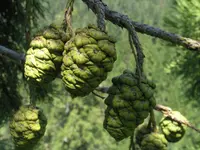
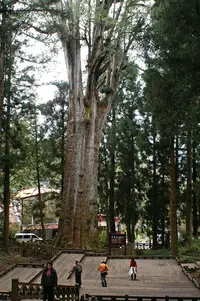
Giant sequoia, Sequoiadendron giganteum, is a long-lived coniferous tree known for its massive trunk, reddish bark, and dense, evergreen foliage. In nature it forms towering, columnar trees with a narrow crown when young that broadens with age.
This species is native to the western slopes of the Sierra Nevada in California, where it grows in cool, moist mountain conditions. Outside its native range it is usually grown as a specimen tree in large gardens, parks, or estates.
It prefers full sun, consistent moisture, and deep, well-drained soil, which makes it challenging for small gardens or very dry climates. Understanding how to care for Giant Sequoia helps improve its survival and long-term health in cultivation.

Care Difficulty
Hard Care

Light Preference
Full Sun

Water Requirements
Moderate Water

Temperature Preference
Cold Hardy

Hardiness Zone
6–8

Soil Texture
Loamy, Sandy, Rocky

Soil pH
Acidic (5.5–6.5), Slightly acidic (6.5–7.0)

Soil Drainage
Well-drained

Fertilization
Minimal (feed rarely)
Scan your plant to receive care tips personalized for your specific plant
Available on iOS and Android
This species needs abundant direct light from an early age to develop a strong, straight crown.
This conifer prefers consistently moist but fast-draining soil, especially during its establishment phase.
This long-lived conifer is cold hardy yet grows best within a moderate temperature range.
Young Sequoiadendron giganteum tolerate typical outdoor humidity but prefer moderately moist air when grown in containers.
This species needs deep, loose, well-drained yet moisture-retentive soil to support rapid root expansion.
This species is only moderately suitable for short- to medium-term container growing, mainly while young.
This species needs only modest feeding in cultivation, especially in reasonably fertile soil.
Pruning Sequoiadendron giganteum is usually minimal and focused on safety and plant health rather than shaping.
Young trees are often container-grown briefly, then transplanted to a permanent site once established.
Sequoiadendron giganteum is primarily propagated from seed under controlled conditions, which can be slow but reliable.
Established trees are very cold hardy and usually need little winter attention once well rooted in the landscape.

Plant Health Check
Not sure what's wrong with your plant? Check your plant's health inside the app.
This species relies on periodic low to moderate intensity fires to open its small cones and clear leaf litter, creating bare mineral soil where its tiny seeds can germinate successfully.
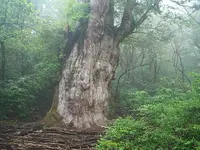
Despite reaching enormous sizes, this tree anchors itself with an extensive but relatively shallow root system that spreads widely rather than growing a deep taproot, making undisturbed soil around mature trees critical for stability.
The heartwood contains natural compounds that slow fungal and insect damage, so fallen trunks can remain structurally recognizable on the forest floor for many decades even in moist mountain environments.

Individual trees are known to live for more than 3,000 years, making this species one of the longest-lived non-clonal organisms on Earth and allowing single specimens to record millennia of climate history in their growth rings.
Yes, this species can be raised from seed, but germination is often low and slow. Use fresh, stratified seed, a well-drained mix, bright cool conditions, and protect tiny seedlings from drought, overheating, and damping-off fungi when growing Giant Sequoia.
Keep your plants happy and healthy with plant identification, disease detection, and easy care guidance.