Encourage Bushy Framework
Pinch or lightly tip-prune young shoots in late spring to early summer to encourage low, branching growth that produces more harvestable pepper clusters and is easier to manage long term.

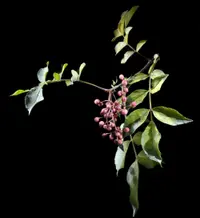
Japanese pepper, or Zanthoxylum piperitum, is a small deciduous shrub or tree grown for its aromatic leaves and spicy seed pods. It belongs to the citrus family and is valued in cooking for its numbing, peppery flavor.
In the wild it is native to East Asia, especially Japan and Korea, where it grows on sunny hillsides and forest edges. The plant has fine, pinnate leaves, small spines on the branches, and a naturally bushy, upright habit.
It is moderately easy to grow if given sun, well-drained soil, and even moisture, but it dislikes waterlogged conditions. Understanding how to care for Japanese pepper helps it develop strong growth and a good crop of flavorful pods.

Care Difficulty
Moderate Care

Light Preference
Full Sun

Water Requirements
Moderate Water

Temperature Preference
Cold Hardy

Hardiness Zone
6–9

Soil Texture
Sandy, Loamy, Organic-rich

Soil pH
Acidic (5.5–6.5), Slightly acidic (6.5–7.0)

Soil Drainage
Moist but well-drained

Fertilization
Minimal (feed rarely)
Scan your plant to receive care tips personalized for your specific plant
Available on iOS and Android
This species prefers bright outdoor exposure with protection from harsh extremes.
This shrub prefers evenly moist but not saturated soil.
This hardy shrub handles a moderate climate with cool winters and warm summers.
This species handles typical indoor humidity but benefits from slightly moist air in heated homes.
This plant prefers a loose, well-drained mineral-rich substrate that never stays waterlogged.
This species adapts well to container growing when given a stable, well-drained setup.
This plant benefits from light, steady feeding during the growing season, especially in containers.
Thoughtful pruning keeps Zanthoxylum piperitum compact, productive, and easier to harvest.
This species is usually grown in the ground, but young or container plants handle transplanting well when timed correctly.
New plants are most often raised from seed, with cuttings or layering used less frequently.
Mature plants are reasonably cold hardy but young or potted specimens benefit from simple winter protection.

Plant Health Check
Not sure what's wrong with your plant? Check your plant's health inside the app.
The husks contain hydroxy-alpha-sanshool, a molecule that activates touch and temperature receptors on the tongue, creating the characteristic tingling and numbing sensation distinct from chili pepper heat.
This species is dioecious, meaning male and female flowers grow on separate plants, so only female trees produce the aromatic seed husks used as the culinary spice known as sansho in Japanese cooking.
Unlike many other citrus relatives, this species is adapted to cool-temperate climates and tolerates frost and even light snow, reflecting its evolution in the temperate regions of Japan and Korea.

In traditional Japanese cuisine, young leaf shoots of this species, called kinome, are used fresh as a garnish and seasoning for dishes such as miso-based sauces and grilled fish, valued for their distinct citrusy, resinous aroma that differs from the flavor of the dried fruit husks.
Growth is moderate. Young plants usually add about 15–30 cm per year, slowing as they mature. Container plants grow more slowly. Climate, soil fertility, and root space strongly influence overall vigour and final size.
Keep your plants happy and healthy with plant identification, disease detection, and easy care guidance.