beautybush Care (Kolkwitzia amabilis)

beautybush

About beautybush

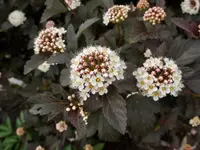
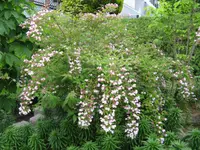
Beauty bush, Kolkwitzia amabilis, is a deciduous flowering shrub grown mainly for its heavy late-spring bloom. It forms a fountain-like shape with arching branches covered in clusters of small, bell-shaped pink flowers.

This shrub comes from central China and has adapted well to many temperate gardens. It is valued for being relatively low-maintenance once established and for its strong ornamental effect in mixed borders or as a stand-alone feature.

Gardeners who want to learn how to care for beautybush should know it prefers sun to light shade, moderately moist but well-drained soil, and space to show its natural arching habit.

Main Plant Requirements

Care Difficulty

Easy Care

Light Preference

Full Sun

Water Requirements

Moderate Water

Temperature Preference

Cold Hardy

Hardiness Zone

4–8

Soil Texture

Sandy, Loamy, Clay

Soil pH

Slightly acidic (6.5–7.0), Neutral (7.0)

Soil Drainage

Well-drained

Fertilization

Minimal (feed rarely)

Get Personalized Care Plan

Scan your plant to receive care tips personalized for your specific plant

Available on iOS and Android

How to Care for the beautybush

This deciduous shrub flowers best with ample direct sun and moderate heat exposure.

  • Provide 6–8 hours of direct sun daily; morning sun with light afternoon shade works well in hotter regions.
  • Tolerates light or dappled shade for part of the day, but dense shade reduces flowering and creates lanky, open growth on beautybush.
  • In hot summers, protect from intense late-afternoon sun to limit leaf scorch; ensure at least 4 hours of spring sun to support strong bud and shoot development.

Kolkwitzia amabilis prefers evenly moist, well-drained soil rather than frequent shallow watering.

  • Water when the top 3–5 cm of soil feels dry, applying a slow, deep soak to wet the root zone instead of light sprinkling.
  • Reduce watering in fall and winter once established, but do not allow prolonged dryness that leads to drooping leaves and brittle new stems.
  • Avoid soggy conditions; yellowing leaves, dieback at the base, or a sour soil smell suggest poor drainage and possible root rot.

This shrub is cold-hardy yet responds best to moderate seasonal temperatures.

  • Ideal growing temperatures are about 60–75°F (16–24°C) in spring and early summer, when shoots and flower buds develop.
  • Mature plants tolerate winter lows near −20°F (−29°C) in many temperate climates, but young shrubs benefit from mulch over the root zone.
  • In hot regions, sustained highs above 95°F (35°C) can stress plants; provide soil mulch and occasional shade to reduce heat and moisture loss.

This shrub tolerates a wide humidity range, so air moisture is rarely a limiting factor outdoors.

Kolkwitzia amabilis grows best in moderately fertile, well-structured ground that drains freely yet holds some moisture.

  • Use a loamy or sandy-loam soil enriched with 20–30% compost to support steady growth.
  • Ensure drainage is rapid after rain; avoid sites where water puddles or soil remains saturated for more than a day.
  • Aim for slightly acidic to neutral pH, around 6.0–7.5, where nutrient availability is most balanced.
  • On heavy clay, improve aeration and structure by incorporating coarse sand or fine gravel plus organic matter into the top 20–30 cm.

This species can be grown in large containers for several years if the pot provides enough volume and stability.

  • Choose a heavy, wide-based pot to counteract wind leverage on the arching, top-heavy canopy.
  • Select a container at least 45–60 cm deep so the woody root system can anchor securely and resist drying at the surface.
  • Use a free-draining mix, such as 60% loam-based compost with 40% coarse material, to prevent waterlogging while still buffering moisture.

This deciduous shrub benefits from modest, targeted feeding to support flowering and overall vigor.

  • Apply a balanced granular fertilizer (for example 10-10-10) or compost once in early spring as new growth begins.
  • Use slow-release fertilizer in the root zone, keeping granules away from direct stem contact to prevent burn.
  • During the growing season, a light supplemental feeding after flowering can help, at half the label strength if using liquid feed.
  • In winter dormancy, avoid additional fertilizer, as inactive roots cannot use extra nutrients effectively.

Kolkwitzia amabilis responds well to thoughtful pruning that maintains a graceful, arching form and good flowering.

  • Time major pruning for right after flowering, since buds form on previous season’s wood.
  • Remove dead, damaged, or crossing stems at the base with clean, sharp bypass pruners or loppers.
  • Thin out some of the oldest canes every 2–3 years to encourage strong young shoots and more blooms.
  • Shorten overly long or wayward branches to shape the shrub while preserving its natural fountain-like habit.

This shrub is usually grown in the ground, so transplanting young plants is more relevant than frequent repotting.

  • Transplant in early spring or early fall, when temperatures are mild and soil is workable.
  • Look for signs such as roots circling a nursery pot, poor drainage, or slow growth before moving a container-grown shrub.
  • Dig a wide planting hole, keep the root ball intact, and set the crown at the same soil level as before.
  • Water thoroughly after planting, then keep soil evenly moist for several weeks to reduce root stress and support establishment.

Kolkwitzia amabilis is commonly propagated from cuttings or by simple layering to match the parent plant.

  • Take softwood cuttings in late spring to early summer, 10–15 cm long, from healthy, non-flowering shoots.
  • Remove lower leaves, dip the cut end in rooting hormone, and insert into a moist, free-draining mix under high humidity.
  • For layering, bend a flexible stem to the ground in spring, wound slightly, and pin it under soil until roots form.
  • Seeds are less reliable; if used, provide cold stratification, then sow in a cool, bright place with consistent moisture.

This hardy shrub usually needs minimal winter care in most temperate climates.

  • Mature plants tolerate typical garden frost, but young shrubs benefit from a 5–8 cm layer of mulch over the root zone.
  • Keep mulch a few cm away from the stems to prevent excess moisture and rot at the base.
  • Container-grown beautybush should be placed in a sheltered spot or unheated garage in very cold regions to prevent root damage.

Care Tips

Selective cane thinning

Every 2–3 years, remove a few of the oldest, thickest stems at ground level right after flowering to keep the shrub open, reduce disease pressure, and encourage vigorous new flowering canes.

Manage crossing branches

During late winter, cut out inward-facing or crossing branches to maintain a vase-shaped framework that lets light and air reach the interior, which improves flower bud production and reduces mildew risk.

Use reflective mulch

In cooler regions, apply a light-colored organic mulch under the canopy to keep roots cool, conserve moisture, and reflect extra light back into the shrub, which can slightly enhance bloom density when growing beautybush.

Staggered rejuvenation plan

If the shrub is overgrown, remove only 1/3 of the oldest stems each year over 3 years instead of cutting it back hard at once, so flowering continues while the plant gradually renews its structure.

Wind and snow management

In exposed sites, use low, discreet stakes or a simple rope loop to gently bundle outer branches before heavy snow or strong winds, which helps prevent stem splitting and maintains an even, arching habit.

Common Pests and Diseases

Aphids

This pest often clusters on young shoots and leaf undersides, sucking sap and causing curling, distortion, and sticky honeydew on beautybush stems and foliage.

Solution

Spray infested shoots with a strong stream of water to dislodge aphids, then treat remaining colonies with insecticidal soap or a ready-to-use neem oil product, repeating every 7–10 days as needed; prune heavily infested shoot tips and dispose of them in the trash rather than composting.

Powdery mildew

This disease appears as a white, powdery coating on leaves, especially in warm, dry weather with poor air circulation, and can cause leaf yellowing and premature drop.

Solution

Improve air movement by thinning crowded stems, avoid overhead watering, and remove and discard the most affected leaves; if needed, apply a labeled fungicide such as a sulfur or potassium bicarbonate product at the first signs of mildew, following local label instructions for ornamental shrubs.

Leaf spot

Symptoms include small brown or purplish spots on leaves that may enlarge, merge, and lead to partial defoliation in wet, humid conditions.

Solution

Rake and remove fallen leaves, prune to open the shrub canopy and shorten the duration of leaf wetness, and water at the base in the morning; in repeated severe cases, apply a preventive ornamental shrub fungicide in early spring when new foliage emerges, according to label directions.

Scale insects

These insects appear as small, rounded or oval bumps on stems and older branches, extracting sap and sometimes leading to reduced vigor and sooty mold growth on honeydew deposits.

Solution

Prune out and discard heavily infested twigs, gently scrape off accessible scales, and use a horticultural oil spray during the dormant season or at crawler stage in late spring, ensuring thorough coverage of stems and branch junctions.

Interesting Facts

Single-species genus

Kolkwitzia amabilis is the only species in the genus Kolkwitzia, making it a monotypic genus within the honeysuckle family Caprifoliaceae.

Genetic link to honeysuckles

Molecular studies place this shrub close to genera such as Abelia and Linnaea, which helps botanists understand evolutionary relationships inside Caprifoliaceae.

Showy but sterile hybrids

Many cultivated forms, especially double-flowered selections, set little or no viable seed and are propagated vegetatively, which helps maintain uniform ornamental traits.

Botan icon

Did you know?

The plant was first collected in central China and introduced to European horticulture in the early 20th century, quickly becoming popular in temperate gardens for its heavy late-spring bloom long before it was widely available in North America.

FAQs about beautybush

Lack of flowering is often due to pruning at the wrong time, heavy shade, or nutrient imbalance. This species sets buds on old wood, so hard pruning in late summer or fall removes next year’s flowers.

Grow Healthy Plants with Botan Care

Keep your plants happy and healthy with plant identification, disease detection, and easy care guidance.

Botan plant care app — identify plants on mobile

Explore More Plants