Acalypha integrifolia Care

Acalypha integrifolia

About Acalypha integrifolia

Acalypha integrifolia is a tropical shrub from the Indian Ocean islands, especially Madagascar and nearby regions. It belongs to the spurge family, Euphorbiaceae, which includes many ornamental foliage plants.

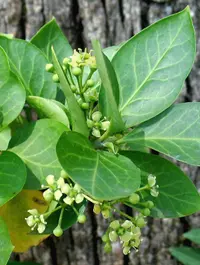
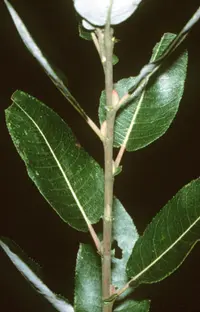
This species typically grows as a compact, branching shrub with small, finely textured leaves and a soft, bushy outline. In suitable climates it forms a low, dense mass that works well in mixed plantings or as a small hedge.

Its preference for warm, frost-free conditions and consistent moisture makes it better suited to tropical and subtropical gardens or protected containers. Understanding how to care for Acalypha integrifolia mainly involves providing stable warmth, good light, and well-drained, fertile soil without prolonged dryness.

Main Plant Requirements

Care Difficulty

Moderate Care

Light Preference

Partial Sun

Water Requirements

Regular Water

Temperature Preference

Tropical / Frost Sensitive

Hardiness Zone

10–11

Soil Texture

Sandy, Loamy, Organic-rich

Soil pH

Acidic (5.5–6.5), Slightly acidic (6.5–7.0)

Soil Drainage

Moist but well-drained

Fertilization

Moderate (every 2–4 weeks)

Get Personalized Care Plan

Scan your plant to receive care tips personalized for your specific plant

Available on iOS and Android

How to Care for the Acalypha integrifolia

This shrub prefers bright light with some protection from harsh midday sun for best foliage color and density.

  • Provide 4–6 hours of direct morning sun with light afternoon shade, or bright filtered light all day, especially in warm climates.
  • Tolerates light partial shade (2–3 hours direct sun), but growth becomes looser and leaf color duller if light is much lower.
  • In hot summers, shield from intense sun between 11 a.m. and 3 p.m. to reduce leaf scorch and moisture stress, particularly for young Acalypha integrifolia plants.

This species prefers evenly moist, well-drained soil and reacts quickly to both drought and waterlogging.

  • Water when the top 3–5 cm of soil feels dry, soaking the root zone thoroughly, then allow excess to drain so roots are not standing in water.
  • In hot, dry periods, expect to water more often, guided by soil feel and slightly drooping leaves; reduce frequency in cool or rainy weather.
  • Yellowing lower leaves and soft stems suggest overwatering or poor drainage, while crisp leaf edges, leaf drop, and slow growth indicate underwatering in Acalypha integrifolia.

This tropical shrub thrives in warm, frost-free conditions with stable temperatures through the growing season.

  • Ideal growth occurs around 70–85°F (21–29°C), where foliage remains dense and new shoots develop steadily.
  • Avoid exposure below 55°F (13°C); brief dips to 45–50°F (7–10°C) may be survived but can cause leaf drop and slowed growth.
  • The plant is highly sensitive to frost and scorching heat; protect from freezing conditions and provide shade plus extra moisture in heat waves above 95°F (35°C).

This species prefers moderately humid air and reacts quickly to dry indoor conditions.

  • Aim for 50–60% humidity to keep leaves full and reduce edge browning.
  • In dry air, watch for crisp tips, curling, and slowed growth as signs of humidity stress.
  • Increase humidity with a pebble tray under the pot or a nearby humidifier rather than misting the foliage.

This plant grows best in loose, moisture-retentive but fast-draining soil.

  • Use a mix of 50% peat or coco coir, 30% fine compost, and 20% perlite or pumice for a soft, airy texture.
  • Target a slightly acidic to neutral pH around 6.0–7.0, which suits nutrient uptake and root health in Acalypha integrifolia.
  • Improve drainage and aeration by avoiding compaction; gently blend in extra perlite or fine bark if water lingers on the surface.
  • Avoid heavy clay or mixes that stay wet for more than 2–3 days, which encourages root rot and weak growth.

This species adapts well to container growing when the pot supports its fast top growth and root activity.

  • Choose a wide, stable container so the spreading foliage does not tip the plant during windy conditions outdoors.
  • Select a pot material that matches your climate; terracotta suits humid areas, while plastic reduces water loss in dry regions.
  • Ensure the container depth allows a broad, fibrous root system, leaving extra room below for even moisture distribution.

This species benefits from modest, consistent feeding during its active growing season.

  • Use a balanced, water‑soluble fertilizer (for example 10‑10‑10 NPK) at half strength every 4–6 weeks in spring and summer.
  • Alternatively, top‑dress with a thin layer of mature compost, keeping it away from the stems.
  • Suspend feeding in late fall and winter when growth slows to avoid weak, elongated shoots.
  • Flush the pot with plain water occasionally to limit salt buildup in the root zone.

Thoughtful pruning keeps Acalypha integrifolia compact, leafy, and well branched.

  • Carry out main pruning in late winter or early spring before strong new growth begins.
  • Remove dead, damaged, or crossing stems first, then thin crowded interior shoots for better light and airflow.
  • Shorten overly long stems to an outward‑facing node to control height and encourage bushier growth.
  • Use clean, sharp pruners and make smooth cuts just above nodes to reduce disease entry points.

Container‑grown plants appreciate occasional repotting to maintain steady growth and root health.

  • Check for roots circling the pot, pushing through drainage holes, or persistent wilting as signs repotting is needed.
  • Plan to move to a container 2–5 cm wider every 2–3 years in spring, when growth resumes.
  • Slide the plant out gently, loosen circling roots, and trim only damaged portions to limit shock.
  • Replant at the same soil level in fresh, well‑drained mix, water thoroughly, then shade lightly for several days.

New plants are most commonly raised from semi‑ripe stem cuttings taken in warm seasons.

  • Take 8–12 cm cuttings in late spring or summer from healthy, non‑flowering shoots of Acalypha integrifolia.
  • Remove lower leaves, dip the cut end in rooting hormone, and insert into a moist, free‑draining propagation mix.
  • Maintain high humidity and warmth around 70–80°F with bright, indirect light until roots form.
  • After firm rooting, gradually reduce humidity, then pot each cutting individually into a light, fertile mix.

This tropical shrub is frost sensitive and needs protection in regions with cool winters.

  • In climates below 40°F, grow in containers so plants can be moved indoors before the first frost.
  • Indoors, provide bright light, reduced watering, and no or very light feeding until spring.
  • In mild coastal zones, apply a 5–8 cm mulch around the root zone to buffer short, cool spells.

Care Tips

Tip-pinch regularly

Pinch back 1–2 cm of soft stem tips every 3–4 weeks during active growth to keep plants compact, encourage denser foliage, and prevent legginess in bright indoor or patio conditions.

Use light supports

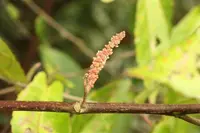
In containers or windy spots, insert discreet bamboo stakes or a low hoop and loosely tie longer stems with soft ties to prevent breakage of the brittle shoots while still allowing natural arching growth.

Seasonal light shifting

Move the plant slightly farther from windows or provide sheer shading in high-summer sun, then bring it closer again in late autumn to maintain even growth and reduce stress from sudden light fluctuations.

Prevent mite outbreaks

Inspect the undersides of leaves weekly with a hand lens, and at the first sign of fine webbing or stippling, rinse foliage thoroughly with lukewarm water and increase ambient humidity to deter spider mites that favor this species.

Root system refreshing

Every 1–2 years, slide the plant from its pot, slice off 1–2 cm of circling roots around the root ball, and repot slightly deeper in fresh mix to renew vigor when caring for Acalypha integrifolia over the long term.

Common Pests and Diseases

Spider mites

This pest thrives on the thin, soft foliage, especially in warm, dry indoor or patio conditions. Symptoms include fine webbing, tiny yellow speckling, and dull, tired-looking leaves.

Solution

Rinse foliage thoroughly with a strong but gentle stream of lukewarm water, including leaf undersides, then repeat every few days until activity drops. For persistent infestations, apply insecticidal soap or neem oil to all leaf surfaces and increase ambient humidity to make conditions less favorable for mites; this is a key part of Acalypha integrifolia care instructions in dry homes.

Mealybugs

These insects hide in leaf axils and along stems, feeding on sap and causing distorted growth, sticky honeydew, and sooty mold. This pest is common on soft-stemmed ornamentals grown in warm, sheltered spots.

Solution

Isolate the plant, then dab visible mealybugs with cotton swabs dipped in isopropyl alcohol and wipe infested areas. Follow with a thorough spray of insecticidal soap or neem oil every 7–10 days until no new insects appear, and prune heavily infested stems if needed.

Leaf spot

This disease causes small, brown to dark purple spots that may enlarge and merge, leading to patchy, weakened foliage. Symptoms include premature yellowing and drop of older leaves in humid, stagnant air.

Solution

Remove and discard affected leaves and any fallen debris from the soil surface, and avoid wetting the foliage when watering. Improve airflow around the plant, reduce crowding, and if the problem persists, use a copper-based or other labeled ornamental fungicide according to package directions.

Botrytis blight

This disease appears as gray, fuzzy mold on leaves, stems, and spent flowers, especially in cool, damp, low-light conditions. Symptoms include soft, collapsed tissue and brown lesions that spread quickly on crowded plants.

Solution

Cut off all affected parts back to healthy tissue and dispose of them, then improve airflow and reduce overhead watering. Allow the top of the potting mix to dry slightly between waterings, and in severe cases apply a suitable ornamental fungicide, keeping foliage as dry as possible during treatment.

Interesting Facts

Mascarene island endemic

This species occurs naturally on the Mascarene islands in the southwest Indian Ocean, particularly Mauritius and nearby islets, where it grows in coastal and lowland habitats influenced by oceanic winds and salt-laden air.

Coastal shrub adaptation

It typically forms a dense, much-branched shrub along exposed coasts, with leaves and stems that tolerate strong light, wind, and occasional salt spray common in its native shoreline environments.

Support for native fauna

In its native range, this shrub contributes to coastal thicket structure, offering cover and perching sites for small birds and invertebrates that use low, woody vegetation for shelter and feeding.

FAQs about Acalypha integrifolia

It can be kept indoors in bright, warm rooms, but performs best with high light and humidity. Air circulation and regular pruning help maintain a compact, attractive shape, which is important for Acalypha integrifolia indoor care.

Grow Healthy Plants with Botan Care

Keep your plants happy and healthy with plant identification, disease detection, and easy care guidance.

Botan plant care app — identify plants on mobile

Explore More Plants