Control Plant Spread
Edge beds or install a shallow root barrier 20–25 cm deep if the plant begins to invade paths or neighboring plants, since this species can spread aggressively by low, rooting branches.

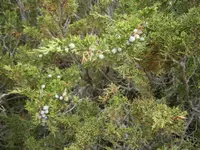
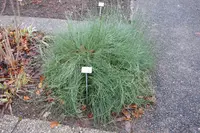
Savin juniper, Juniperus sabina, is a low, spreading conifer often used as a groundcover or for stabilizing slopes. It keeps its foliage year-round and forms dense, layered mats.
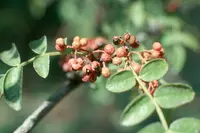
The foliage is typically dark green to blue-green, with small scale-like leaves and many small branchlets, giving it a fine, textured look. Cones are berry-like and usually bluish with a waxy coating.
This species is native to mountainous and rocky regions of central and southern Europe and parts of Asia, where it grows in poor, well-drained soils. It is hardy, drought-tolerant once established, and prefers open, sunny locations, which makes it relatively simple to care for Savin Juniper.

Care Difficulty
Easy Care

Light Preference
Full Sun

Water Requirements
Low Water

Temperature Preference
Cold Hardy

Hardiness Zone
3–7

Soil Texture
Sandy, Loamy, Rocky

Soil pH
Acidic (5.5–6.5), Slightly acidic (6.5–7.0)

Soil Drainage
Well-drained

Fertilization
Minimal (feed rarely)
Scan your plant to receive care tips personalized for your specific plant
Available on iOS and Android
This shrub prefers open, bright conditions and stays densest with consistent sun exposure.
This species is drought-tolerant once established and prefers slightly dry soil between waterings.
This cold-hardy conifer tolerates a wide temperature range but grows best in cool to moderate conditions.
Humidity is rarely a limiting factor for Savin Juniper, which prefers dry, open air over damp conditions.
Juniperus sabina prefers mineral, fast-draining soil that never stays saturated.
This species is suitable for long-term container growing if the pot manages drainage and root spread effectively.
This species is adapted to poor soils, so Savin Juniper needs only light, infrequent feeding in cultivation.
Juniperus sabina benefits from light, strategic pruning to maintain health and shape without stressing the plant.
This juniper is usually grown in the ground, so guidance focuses on transplanting rather than frequent repotting.
Juniperus sabina is most commonly propagated from cuttings or by layering, as seed is slow and variable.
This species is generally cold hardy and usually needs minimal winter attention in typical temperate climates.

Plant Health Check
Not sure what's wrong with your plant? Check your plant's health inside the app.
This species often forms low, prostrate shrubs that hug the ground in its native mountain habitats, creating dense mats rather than tall trees. Its growth habit helps stabilize rocky slopes and prevents soil erosion in harsh alpine conditions.
All parts of the plant, especially the leaves and young branches, contain potent toxic compounds such as sabinene and podophyllotoxin. These chemicals make the plant poisonous to humans and many animals if ingested and can irritate skin on contact in sensitive individuals.
This juniper is a known alternate host for certain Gymnosporangium rust fungi that also infect pear and other Rosaceae trees. In regions where these rust diseases are problematic, planting it near susceptible fruit trees is generally discouraged to reduce disease spread.

Despite being long used in traditional practices, the essential oil of Juniperus sabina is considered unsafe and is strictly regulated in many countries because even small doses can cause serious poisoning, including kidney damage and miscarriage, when ingested.
All parts of this species are considered toxic if eaten, especially the berries and foliage. Ingestion may cause vomiting, diarrhea, and abdominal pain. Keep children and pets from chewing or browsing on the plant.
Keep your plants happy and healthy with plant identification, disease detection, and easy care guidance.