Vejar's Fir Care (Abies vejarii)

Vejar's Fir

About Vejar's Fir

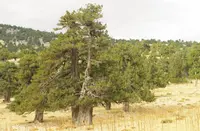
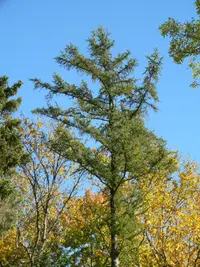
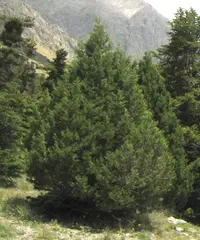
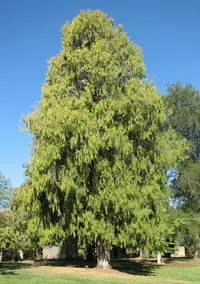
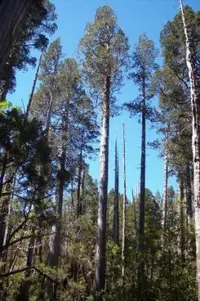
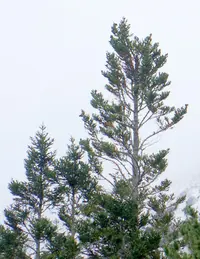
Vejar's fir, Abies vejarii, is a medium to large evergreen conifer native to the high mountains of northeastern Mexico. It typically forms a narrow, pyramidal crown with dense, horizontal branches.

The needles are short, bluish to gray-green, and arranged in neat rows that give the tree a clean, architectural look. Cones are upright on the branches and add ornamental value in established trees.

In gardens, it is grown mainly as a landscape or collector’s tree in cool, humid climates. It prefers well-drained, slightly acidic soil and steady moisture, and shelter from hot, dry winds. Understanding these conditions helps gardeners care for Vejar's Fir more successfully.

Main Plant Requirements

Care Difficulty

Moderate Care

Light Preference

Full Sun

Water Requirements

Moderate Water

Temperature Preference

Cold Hardy

Hardiness Zone

6–8

Soil Texture

Sandy, Loamy, Rocky

Soil pH

Acidic (5.5–6.5), Slightly acidic (6.5–7.0)

Soil Drainage

Well-drained

Fertilization

Minimal (feed rarely)

Get Personalized Care Plan

Scan your plant to receive care tips personalized for your specific plant

Available on iOS and Android

How to Care for the Vejar's Fir

This high-elevation fir thrives in full sun but copes with light shade in hotter regions.

  • Provide 6–8 hours of direct sun daily; in hot climates, aim for morning sun with light afternoon shade to reduce scorch risk.
  • Young Vejar's Fir trees benefit from temporary filtered light during their first 2–3 summers while roots establish.
  • Watch needles for stress: pale, sparse growth suggests too much shade, while browning on the south or west side often indicates excessive, intense sun exposure.

This species prefers consistently moist, cool soil that never stays waterlogged.

  • Water when the top 3–5 cm of soil feels slightly dry, then soak deeply so moisture reaches 20–30 cm into the root zone.
  • In the first 2–3 years, monitor closely during hot, dry periods; drooping or dull needles signal thirst, while soft, blackened roots or sour odor suggest overwatering.
  • Plant in sharply drained, slightly acidic soil; use mulch 5–8 cm deep to conserve moisture and moderate evaporation without covering the trunk base.

This cold-adapted fir prefers cool conditions and tolerates substantial winter frost.

  • Optimal growth occurs around 50–70°F (10–21°C), typical of cool-summer or higher-elevation climates.
  • Mature trees tolerate lows near -20°F (-29°C); prolonged freeze-thaw cycles with wet soil can be more damaging than steady cold.
  • Heat above 85°F (29°C), especially with dry winds, can stress Abies vejarii; provide mulch and avoid reflected heat from pavement or walls to keep roots cooler.

This mountain fir handles moderate humidity but benefits from slightly moist air in hot, dry climates.

  • Aim for 40–60% humidity; brief dips lower are tolerated if soil moisture is stable.
  • Chronic very dry air causes browning needle tips and increased needle drop on Vejar's Fir.
  • Increase humidity outdoors with wind protection and mulch, and in dry sites by grouping plants near other shrubs or using a nearby water feature.

Abies vejarii prefers cool, moist, well-drained mineral soils with good structure around the roots.

  • Use a deep, loamy or sandy-loam soil with 20–30% organic matter from composted bark or leaf mold.
  • Ensure drainage is free by avoiding hardpan; on heavy clay, raise the planting area 15–20 cm and blend in sharp sand plus fine gravel.
  • Keep pH slightly acidic to neutral (pH 5.5–7.0); avoid highly alkaline fill that can limit nutrient uptake and weaken growth.
  • Maintain aeration with coarse bark or grit in the upper 20–30 cm, and never plant in spots where water stands after rain.

This species can be grown in containers only for the short term, as juvenile plants or temporary displays.

  • Choose a tall, heavy container to anchor the increasingly top-heavy tree and reduce wind tipping.
  • Use a deep, fast-draining conifer mix with extra bark and grit so the root zone does not stay waterlogged in confined space.
  • Position the pot where winter cold is present but extreme freeze–thaw cycles are limited, since exposed container roots are more vulnerable than in-ground roots.

This slow-growing mountain fir needs modest feeding in cultivation but benefits from light support on poor soils.

  • Use a balanced slow-release fertilizer (for example 10-10-10) or well-rotted compost applied over the root zone in early spring.
  • Feed container-grown Abies vejarii once each spring only, as confined roots are more nutrient-limited than in-ground trees.
  • Apply fertilizers at half the label strength to avoid salt buildup and root burn, especially in young plants.
  • Do not fertilize in late fall or winter, as nutrients will not be used efficiently during dormancy.

Abies vejarii needs minimal pruning and is usually maintained with light, corrective cuts.

  • Best time for structural work is late winter to very early spring, before active growth begins.
  • Remove dead, diseased, or storm-damaged branches with clean, sharp bypass pruners or a pruning saw.
  • Thin crowded interior twigs lightly to improve airflow, but keep the natural conical shape intact.
  • Avoid cutting back into old, bare wood, as firs rarely produce new shoots from these sections.

This fir is typically grown in the ground, so focus on careful site transplanting rather than frequent repotting.

  • Transplant in late fall or early spring when soil is workable and temperatures are mild.
  • Look for signs such as roots circling a nursery container or slowed growth indicating the need for a larger space.
  • Move up only 1 container size, disturbing roots as little as possible and keeping the root ball intact.
  • Water thoroughly after planting, then maintain evenly moist but not waterlogged soil to limit transplant shock.

Abies vejarii is usually propagated by seed and requires patience and controlled conditions.

  • Collect ripe cones in late summer to early fall and extract seeds after drying slightly indoors.
  • Provide cold stratification at about 34–41°F for 6–8 weeks to break seed dormancy.
  • Sow in a well-drained, slightly acidic mix, keeping it evenly moist and in bright, indirect light.
  • Cuttings root poorly in this species, so they are generally reserved for specialized nursery production.

Mature plants are quite cold hardy and often need little winter care beyond good siting and soil management.

  • Young trees benefit from 5–8 cm of mulch over the root zone, kept away from direct trunk contact.
  • In windy, exposed sites, use a breathable barrier such as burlap to reduce winter desiccation of foliage.
  • Container-grown specimens in cold regions should be moved into an unheated but frost-sheltered space if possible.

Care Tips

Windward placement

Site young trees where they receive some natural wind exposure so the trunk and root system strengthen gradually, but avoid funneling winds between buildings that can create drying, turbulent gusts.

Snow load management

In areas with heavy, wet snow, gently brush accumulated snow off the upper branches with a soft broom to reduce the risk of limb breakage, working from the bottom upward to avoid snapping flexible shoots.

Mulch root zone

Apply a 5–8 cm layer of coarse bark or wood-chip mulch over the root zone, keeping it 5–8 cm away from the trunk, to stabilize soil temperature and protect fine feeder roots from freeze–thaw cycles.

Single-leader training

Inspect the top each spring and, if multiple leaders form, select the strongest upright shoot, stake it loosely, and remove competing leaders to maintain a single, straight central trunk and stable structure.

Soil moisture scouting

Install 2–3 simple soil access tubes (such as perforated PVC pipes) around the drip line so a moisture meter or finger can easily reach deeper layers, helping to time irrigation more precisely when growing Vejar's Fir in drier climates.

Common Pests and Diseases

Bark beetles

These insects bore into the trunk and branches, causing fading needles, scattered resin pitch tubes on the bark, and progressive dieback, especially during drought stress.

Solution

Improve tree vigor through deep, infrequent watering during dry periods and avoid mechanical damage to the trunk; promptly remove and destroy heavily infested branches or entire declining trees to reduce local beetle populations, and consult a certified arborist about timing of preventive trunk-applied insecticides where beetle pressure is high.

Balsam woolly adelgid

This pest sucks sap from twigs and stems, leading to swollen, rough bark, twig dieback, and thin, yellowing foliage, often starting in the lower crown.

Solution

Prune out and destroy badly infested branches, avoid overfertilizing with nitrogen, and, for valuable trees, consider a horticultural oil treatment applied according to label directions when trees are dormant or during cool weather to reduce adelgid numbers while limiting damage to beneficial insects.

Needle cast

This disease causes yellow to brown spotting on older needles, followed by premature needle drop and thinning foliage from the inner branches outward.

Solution

Rake and remove fallen needles, increase spacing and airflow around the tree, avoid overhead irrigation, and, where the disease recurs, apply a labeled copper or chlorothalonil-based fungicide in spring just as new growth begins to protect new needles.

Needle rust

This disease produces pale spots that turn into orange pustules on needles, which may drop early and leave sections of the crown sparse and discolored.

Solution

Collect and discard fallen needles, maintain good air circulation by not crowding the tree, limit overhead watering, and where infections are regular, time a protective fungicide spray to early spring as new needles expand following local extension or forestry recommendations for Abies vejarii care.

Canker diseases

These diseases create sunken, discolored patches on branches or the trunk, often girdling the stem and causing sudden wilting and death of affected sections above the canker.

Solution

Prune out infected branches several inches below visible symptoms during dry weather, disinfect pruning tools between cuts, reduce stress by watering during prolonged dry periods, and avoid trunk injury or heavy mulch contact at the base to lower the risk of new infections.

Interesting Facts

Endemic Sierra Madre range

This fir occurs naturally only in the high mountains of the Sierra Madre Oriental in northeastern Mexico, mainly in Coahuila, Nuevo León, and Tamaulipas, where it forms cool, moist conifer forests on north-facing slopes and ravines.

Adapted to limestone soils

Unlike many firs that prefer acidic substrates, this species commonly grows on calcareous (limestone-derived) soils, showing a notable tolerance for higher pH conditions in its native habitat.

Narrow, bluish crown

Mature trees often develop a distinctly narrow, spire-like crown with bluish-green needles, which helps distinguish it in the wild from nearby fir and pine species with broader or duller foliage.

Botan icon

Did you know?

Abies vejarii is considered near-threatened due to its very limited distribution in high-elevation Mexican forests and ongoing habitat pressure from logging, grazing, and climate-related changes, making wild populations a conservation concern.

FAQs about Vejar's Fir

This species is slow to moderate growing, usually adding about 15–30 cm in height per year once established. Growth is faster in deep, cool, well-drained soil and cooler summer climates, and slower in hot, dry areas.

Grow Healthy Plants with Botan Care

Keep your plants happy and healthy with plant identification, disease detection, and easy care guidance.

Botan plant care app — identify plants on mobile

Explore More Plants