Train As Groundcover
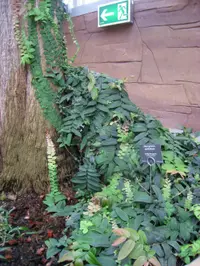
Pin down young, flexible stems with biodegradable garden staples or small rocks to encourage rooting along the nodes and create an even, dense mat when growing Winter creeper outdoors.

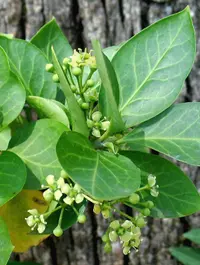
Winter creeper, Euonymus fortunei, is an evergreen shrub or vine often used as groundcover, low hedge, or wall-climbing plant. It keeps its foliage year-round, which makes it useful for structure and color in many landscapes.
Leaves are small, leathery, and usually glossy green or variegated with cream or yellow edges. Stems can root as they spread, allowing the plant to form dense mats or climb supports.
It is native to East Asia but has become widely planted in North America and Europe for its durability and adaptability. This species tolerates a range of light and soil conditions, which makes it generally easy to care for Winter creeper, though in some regions it can spread aggressively.

Care Difficulty
Easy Care

Light Preference
Partial Sun

Water Requirements
Moderate Water

Temperature Preference
Cold Hardy

Hardiness Zone
5–9

Soil Texture
Sandy, Loamy, Clay

Soil pH
Acidic (5.5–6.5), Slightly alkaline (7.0–7.5)

Soil Drainage
Moist but well-drained

Fertilization
Minimal (feed rarely)
Scan your plant to receive care tips personalized for your specific plant
Available on iOS and Android
Euonymus fortunei grows best with moderate to bright outdoor light and can adapt to different exposures.
Euonymus fortunei prefers evenly moist, well-drained soil once established in the landscape.
This species is cold-hardy yet also tolerates a wide range of typical garden temperatures.
This species tolerates a wide humidity range and usually does not need special humidity management.
This shrub prefers well-structured, free-draining soil that does not stay waterlogged.
This species is well suited to container growing on patios, balconies, and small outdoor spaces.
Euonymus fortunei benefits from modest, consistent nutrition rather than heavy feeding.
Thoughtful pruning keeps Euonymus fortunei dense, tidy, and within bounds.
This species is often used in the ground, but container plants and young shrubs benefit from occasional transplanting.
Euonymus fortunei is commonly propagated vegetatively for consistent foliage color and growth habit.
Established Euonymus fortunei is generally cold hardy and needs only modest winter care in most temperate regions.

Plant Health Check
Not sure what's wrong with your plant? Check your plant's health inside the app.
This species can produce two distinct leaf forms: smaller, thicker leaves on its creeping juvenile shoots and larger, thinner leaves on its upright, adult flowering stems, a phenomenon known as leaf dimorphism.
Its stems develop small aerial rootlets that adhere to rough surfaces like bark, brick, or stone, allowing the plant to climb vertically without twining or tendrils.
The plant is notably tolerant of low light in its juvenile, creeping phase, which helps it exploit shaded forest understories and building walls that many other shrubs cannot colonize.

In parts of North America and Europe, Euonymus fortunei has become invasive; its dense mats of stems and foliage can suppress tree seedlings and native herbs, altering forest floor plant communities and hindering natural regeneration.
This species can spread vigorously by stems rooting where they touch soil and by seeds. In some regions it is classified as invasive and should be planted with caution, using edging, regular pruning, and disposal of clippings in trash, not compost.
Keep your plants happy and healthy with plant identification, disease detection, and easy care guidance.