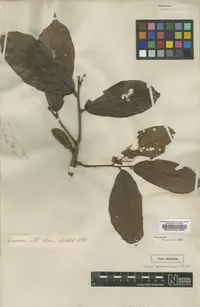
wild sage Care (Gmelina philippensis)

wild sage

About wild sage

Wild sage, Gmelina philippensis, is a fast-growing tropical shrub to small tree, valued mainly as an ornamental hedge or specimen plant. It is not a true sage but belongs to the Lamiaceae family, like many mint relatives.

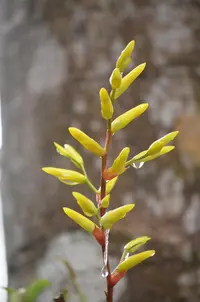
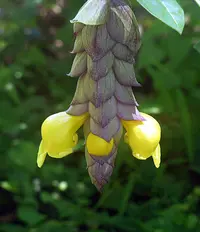
The plant typically has arching branches with yellow tubular flowers and pendant, chain-like bracts that give it a striking, cascading look. It is native to Southeast Asia and thrives in warm, frost-free climates.

Gmelina philippensis prefers bright light, moderate moisture, and well-drained soil, which helps explain why it is considered relatively easy to care for wild sage in suitable climates.

Main Plant Requirements

Care Difficulty

Moderate Care

Light Preference

Full Sun

Water Requirements

Moderate Water

Temperature Preference

Tropical / Frost Sensitive

Hardiness Zone

10–11

Soil Texture

Sandy, Loamy, Organic-rich

Soil pH

Acidic (5.5–6.5), Slightly acidic (6.5–7.0)

Soil Drainage

Well-drained

Fertilization

Minimal (feed rarely)

Get Personalized Care Plan

Scan your plant to receive care tips personalized for your specific plant

Available on iOS and Android

How to Care for the wild sage

Gmelina philippensis grows best in bright, warm conditions with consistent sun exposure.

  • Provide 4–6 hours of direct morning sun with light afternoon shade; strong late-day sun in hot climates can scorch leaves.
  • Plant in a spot with full sun to light partial shade; wild sage usually flowers more heavily in at least 6 hours of sun.
  • In cooler seasons, choose the sunniest available position, while in very hot summers offer filtered light or dappled shade during peak midday hours.

This species prefers evenly moist but never waterlogged soil.

  • Water when the top 3–5 cm of soil feels dry, then soak the root zone thoroughly so moisture reaches 15–20 cm deep.
  • Use well-drained soil to prevent root rot; yellowing, soft leaves suggest overwatering, while dull, drooping leaves and dry stems indicate underwatering.
  • In warm, active growth periods, expect to water more often; reduce frequency in cooler months as evaporation and growth slow down.

This tropical shrub performs best in consistently warm, frost-free conditions.

  • Ideal growth occurs at 70–85°F (21–29°C), where foliage and flowering remain vigorous.
  • Avoid temperatures below 55°F (13°C); brief drops near 40–45°F (4–7°C) can cause leaf damage and dieback.
  • The plant tolerates short hot spells up to about 95°F (35°C) if soil moisture is maintained, but prolonged heat with dry soil stresses and weakens growth.

This species prefers moderately humid air but adapts to typical indoor levels if not extremely dry.

  • Aim for 40–60% humidity to keep foliage growth steady and reduce leaf-edge browning.
  • It tolerates short dry spells, but persistently heated, very dry rooms can cause curled leaves and crispy tips.
  • Increase humidity with a nearby tray of damp pebbles or grouped plants rather than misting, which adds only brief moisture.

This plant performs best in loose, fast-draining, organic-rich substrate.

  • Use a mix of roughly 50% peat- or coir-based potting mix, 30% compost, and 20% perlite or coarse sand for Gmelina philippensis.
  • Aim for slightly acidic to neutral pH, around 6.0–7.0, to support balanced nutrient uptake.
  • Ensure the structure stays crumbly, not compacted, so roots receive enough oxygen and excess water drains freely.
  • Avoid heavy clay, waterlogged sites, or mixes dominated by fine sand that clog pores and restrict aeration.

This species is suitable for container growing when the pot supports its vigorous root and shoot growth.

  • Choose a wide, heavy container that resists tipping as stems lengthen and develop a spreading canopy.
  • Select a pot deep enough to accommodate a developing woody root system, not a shallow bowl-style container.
  • Use thick-walled terracotta or similar porous materials outdoors to moderate moisture swings and anchor the top-heavy plant.

Gmelina philippensis responds well to moderate feeding when grown as a landscape shrub or small tree, though wild sage in native soils often needs little input.

  • Use a balanced, slow-release fertilizer (around 10-10-10) or well-rotted compost in spring as new growth starts.
  • Feed every 6–8 weeks during the warm growing season if growth or foliage color seems weak.
  • Apply fertilizer at half the label strength for container plants to limit salt buildup in the soil.
  • Reduce or stop feeding in late fall and winter when growth slows or plants are leafless.

Gmelina philippensis benefits from thoughtful pruning to control size, encourage branching, and maintain flowering wood.

  • Do main structural pruning in late winter or early spring before strong new growth starts.
  • Remove dead, diseased, or crossing stems first, then thin crowded interior shoots to improve light and air.
  • Shorten overly long, arching branches to shape the plant and keep flowering at a manageable height.
  • Use sharp bypass pruners or loppers, making clean cuts just above outward-facing buds or branch junctions.

This species is usually grown in the ground, so care focuses more on transplanting young Gmelina philippensis plants than on long-term container repotting.

  • Transplant in late spring or early summer once soil is warm and frost risk has passed.
  • Look for signs such as roots circling the pot, slow growth, or drying soil within a day as cues to move up a size before planting out.
  • Loosen or tease apart circling roots gently before setting the root ball into the new hole at the same soil level.
  • Water deeply after transplanting, shade lightly for 1–2 weeks, and keep soil evenly moist to reduce root stress while it re-establishes.

New Gmelina philippensis plants are most often produced from semi-ripe cuttings, with seeds used mainly where plants fruit reliably.

  • Take semi-ripe stem cuttings in late spring or summer from non-flowering shoots 10–15 cm long.
  • Remove lower leaves, dip the cut end in rooting hormone, and insert into a moist, free-draining mix such as 50% perlite, 50% peat or coco coir.
  • Maintain high humidity and warmth (70–80°F) with bright, indirect light to encourage rooting over several weeks.
  • Sow fresh seed in a warm environment, covering lightly, and keep the medium evenly moist until germination.

Gmelina philippensis is a tropical to subtropical species and is sensitive to frost, so winter care matters in cooler climates.

  • In USDA zones below 9–10, grow in containers and move indoors or into a heated greenhouse before night temperatures drop below 40°F.
  • For in-ground plants at the edge of hardiness, apply a 5–8 cm mulch layer over the root zone in late fall, keeping it away from the trunk.
  • Wrap young stems with frost cloth during cold snaps and avoid pruning in late fall, which can trigger tender growth vulnerable to freezing.

Care Tips

Early framework training

Install strong horizontal wires or a sturdy trellis early and tie young shoots loosely and regularly so the plant forms a stable, layered framework that can support its long, pendulous branches and heavy flowering later on.

Shoot renewal pruning

Every 1–2 years, remove a few of the oldest, woodiest stems right down to a strong young side shoot to keep growth vigorous and encourage new flowering wood instead of just shortening all branches.

Wind and weight management

In windy sites or where branches overhang paths, discreetly guy long, arching stems with soft ties to ground stakes or fixed structures to prevent wind rock and snapping under the weight of wet foliage and flowers.

Root-zone mulching

Maintain a 5–8 cm layer of coarse organic mulch over the root zone, kept a few cm away from the trunk, to buffer soil temperature, reduce surface rooting stress, and limit weed competition without causing stem rot.

Seasonal pest scouting

In late spring and mid-summer, check undersides of leaves and soft shoot tips for scale insects and caterpillars and treat early with a targeted horticultural oil or biological control rather than waiting for visible canopy damage, which simplifies overall Gmelina philippensis plant care.

Common Pests and Diseases

Leaf-chewing caterpillars

This pest frequently attacks young flushes, causing ragged holes or complete removal of soft leaves. Symptoms include rapid defoliation on new growth and visible frass (droppings) on or below the plant.

Solution

Hand-pick caterpillars where practical and prune heavily infested shoot tips. For larger shrubs or hedges, use a targeted biological insecticide containing Bacillus thuringiensis (Bt) in the evening and repeat as directed, while encouraging birds and other natural predators by avoiding broad-spectrum insecticides.

Bark borers

These insects tunnel into young stems and branches, causing wilting, dieback, and small entry holes often surrounded by sawdust-like frass. Symptoms include sudden collapse of otherwise healthy shoots, especially on fast-growing plants.

Solution

Prune and destroy infested branches as soon as boring activity is seen, cutting back into healthy wood. Improve plant vigor with correct watering and balanced fertilization, then monitor stems regularly and, in severe cases outdoors, use a systemic insecticide labeled for borers according to local regulations.

Leaf spot

This disease causes brown to dark-purple circular or irregular spots on foliage, sometimes with a yellow halo, and can lead to premature leaf drop in humid or rainy conditions. Symptoms include clusters of lesions on older leaves and thinning canopies on stressed plants.

Solution

Remove and discard spotted leaves, especially those that have fallen to the ground, and avoid overhead watering to keep foliage drier. Increase airflow by light pruning, then apply a copper-based or other labeled ornamental fungicide preventively during long wet periods if the plant has a history of recurring leaf spot.

Powdery mildew

This disease produces white, powdery patches on leaf surfaces, young stems, and sometimes flower spikes, reducing photosynthesis and vigor in shaded or crowded plantings. Symptoms include distorted new growth and dull, greyed foliage on affected shoots.

Solution

Improve light and air circulation by thinning dense branches and spacing nearby plants, and avoid excess nitrogen that promotes soft, susceptible growth. At first signs, treat foliage with a labeled ornamental fungicide or a potassium bicarbonate product, ensuring thorough coverage and repeating as conditions favor the disease.

Scale insects

These insects appear as small, fixed bumps on stems and leaf undersides, feeding on sap and sometimes causing yellowing leaves and sticky honeydew that can lead to sooty mold. This pest is more common on older, woody stems in warm, sheltered sites.

Solution

Wipe affected stems with a cloth or soft brush dipped in diluted insecticidal soap, repeating every 7–10 days until new growth is clean. For heavier outdoor infestations, use a horticultural oil spray during mild weather to smother scales, making sure to coat stems and the undersides of leaves while monitoring ants that may be protecting the insects.

Interesting Facts

Pagoda-shaped flower spikes

The shrub produces long, dangling spikes of yellow tubular flowers with hooded tips and purple markings, creating a layered pagoda-like appearance that makes it popular as a tropical ornamental hedge and arching screen plant.

Hooked bracts for support

Each flower is subtended by a small, curved, hook-like bract that can catch on nearby stems, helping the flexible flowering shoots drape and tangle through surrounding vegetation in its native Southeast Asian habitat.

Fast-growing woody climber

Although often pruned as a shrub, this species can behave like a liana, sending out long, woody, scrambling shoots that rapidly cover fences, pergolas, or trees in frost-free climates when not regularly trimmed.

Botan icon

Did you know?

This species has become naturalized in several tropical regions outside its native range, such as parts of coastal India and some Pacific islands, where its vigorous growth and ability to root from stem pieces raise concern about its potential to spread beyond cultivation in sensitive ecosystems.

FAQs about wild sage

Lack of flowering usually comes from insufficient light, heavy pruning at the wrong time, or nutrient imbalance with too much nitrogen. Ensure strong sun exposure, avoid cutting new growth tips before the flowering season, and use balanced fertilizer.

Grow Healthy Plants with Botan Care

Keep your plants happy and healthy with plant identification, disease detection, and easy care guidance.

Botan plant care app — identify plants on mobile

Explore More Plants