Rock crevice planting
Plant in narrow gaps between rocks or paving slabs so the root crown sits slightly tilted, which improves drainage around the neck and greatly reduces crown rot in wet winters.

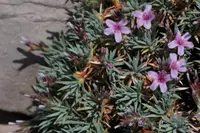
Acantholimon libanoticum is a compact, evergreen perennial from rocky mountain regions of the eastern Mediterranean and the Middle East. It forms dense, spiny cushions of narrow, grass-like leaves. In summer it produces many small, pink to lilac flowers held on short wiry stems above the foliage. The plant stays low and mound-forming, which makes it suitable for rock gardens, troughs, and dry slopes. It thrives in full sun and very well-drained, often gravelly or sandy soil, and dislikes prolonged winter wet. Once established, it is drought-tolerant but sensitive to root disturbance, which can make it challenging for beginners to care for Acantholimon libanoticum.

Care Difficulty
Moderate Care

Light Preference
Full Sun

Water Requirements
Low Water

Temperature Preference
Cold Hardy

Hardiness Zone
5–8

Soil Texture
Sandy, Rocky, Loamy

Soil pH
Slightly acidic (6.5–7.0), Slightly alkaline (7.0–7.5)

Soil Drainage
Well-drained

Fertilization
Minimal (feed rarely)
Scan your plant to receive care tips personalized for your specific plant
Available on iOS and Android
This alpine steppe shrub thrives in strong light and benefits from open, exposed conditions.
This species is strongly drought-tolerant and needs sparing, carefully controlled watering.
This cold-hardy rock garden plant prefers cool to moderate conditions with good air movement.
This alpine shrub prefers dry air and does not need elevated humidity.
This species needs very free-draining, mineral-rich soil to prevent root and crown rot.
This plant can be grown in containers if drainage and stability are carefully managed.
This alpine species is naturally adapted to poor soils, so Acantholimon libanoticum needs only minimal feeding in cultivation.
Pruning needs are low, focused mainly on keeping the cushion compact and healthy.
This dryland perennial dislikes root disturbance, so transplant or repot Acantholimon libanoticum only when clearly necessary.
Propagation is possible but somewhat slow, most often done from seed rather than division.
This species is cold hardy but needs excellent drainage and some protection from excessive winter wet.

Plant Health Check
Not sure what's wrong with your plant? Check your plant's health inside the app.
This species is native to rocky slopes and limestone outcrops in the mountains of Lebanon and nearby regions, where it grows in very shallow, mineral-rich but nutrient-poor soils.
It forms dense, hemispherical cushions of rigid, spiny-tipped leaves that reduce water loss and protect the plant from grazing in its exposed alpine habitat.
In late spring to summer it sends up short, wiry stems topped with small pink to lilac flowers, each enclosed by papery bracts typical of the Plumbaginaceae family.
This species usually blooms in late spring to midsummer, depending on climate. It forms small, papery, pink to lilac flowers on wiry stems above dense, spiny foliage, creating a tight cushion effect well suited to rock gardens.
Keep your plants happy and healthy with plant identification, disease detection, and easy care guidance.