Matai Care (Prumnopitys taxifolia)

Also known as: Black Pine
Matai

About Matai

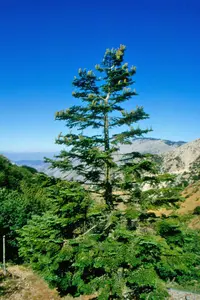
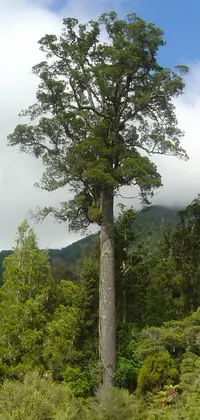
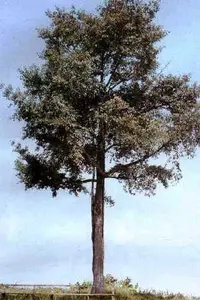
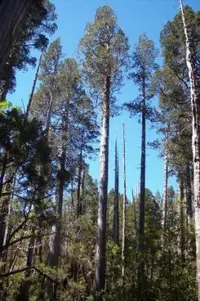
Matai, Prumnopitys taxifolia, is a slow-growing evergreen conifer native to New Zealand forests. It forms a tall, upright tree with fine, yew-like foliage and dark, flaking bark. Young plants are often dense and shrubby before developing a clear trunk and broader crown with age.

This species is mainly grown in larger gardens, parks, or restoration plantings rather than small yards or containers. It is long-lived but requires patience, as growth is gradual. In cultivation it prefers cool to mild climates, well-drained soil, and consistent moisture. Once established, it is generally hardy and low maintenance, so learning how to care for Matai focuses mostly on choosing the right site and giving it time to mature.

Main Plant Requirements

Care Difficulty

Moderate Care

Light Preference

Partial Shade

Water Requirements

Moderate Water

Temperature Preference

Cold Hardy

Hardiness Zone

8–10

Soil Texture

Loamy, Sandy, Organic-rich

Soil pH

Acidic (5.5–6.5), Slightly acidic (6.5–7.0)

Soil Drainage

Moist but well-drained

Fertilization

Minimal (feed rarely)

Get Personalized Care Plan

Scan your plant to receive care tips personalized for your specific plant

Available on iOS and Android

How to Care for the Matai

This New Zealand conifer prefers cool, bright conditions with protection from harsh sun.

  • Provide 3–5 hours of direct morning sun with light shade or dappled light in the afternoon, especially in warmer regions.
  • Young Matai benefit from partial shade under taller trees; mature trees tolerate more sun if soil stays evenly moist.
  • In hot summers, shield from intense afternoon sun to prevent needle scorch, but avoid deep shade, which leads to sparse, open growth.

This slow-growing conifer prefers consistently moist but never waterlogged soil.

  • In the ground, water deeply when the top 3–5 cm of soil feels dry, then allow excess to drain fully.
  • During the first 2–3 years, monitor closely in dry spells; drooping or dull foliage suggests thirst, while yellowing tips and soggy soil indicate overwatering.
  • Prumnopitys taxifolia prefers free-draining, slightly acidic soil; in winter, reduce watering frequency as cooler temperatures slow growth and evaporation.

This species is adapted to mild, temperate climates with cool winters and moderate summers.

  • Optimal growth occurs around 55–75°F (13–24°C), with steady moisture and shelter from drying winds.
  • Mature trees tolerate brief drops to about 15–20°F (-9 to -6°C), but young plants are more frost-sensitive and benefit from windbreaks or temporary covers.
  • In hot regions, prolonged periods above 90°F (32°C) can stress the plant, so provide shade, mulch the root zone, and avoid heat-reflecting surfaces nearby.

This conifer tolerates a fairly wide humidity range but grows best with moderately moist air.

  • Target 40–60% humidity, similar to typical temperate outdoor conditions, for steady Matai growth.
  • It handles short dry spells, but prolonged very dry air combined with heat can cause browning tips and increased needle drop.
  • Increase humidity outdoors by mulching the root zone to keep soil moisture even, and in sheltered plantings avoid hot, reflected surfaces that dry foliage.

Prumnopitys taxifolia prefers cool, moist, well-structured soil that drains freely but does not dry out quickly.

  • Use a deep, loamy mix with moderate organic matter, such as garden loam blended with compost and pine bark fines, to mimic forest conditions.
  • Ensure drainage is reliable; avoid compacted or heavy clay that stays waterlogged, which encourages root rot and poor root oxygenation.
  • Aim for slightly acidic to neutral pH around 5.5–7.0, avoiding strongly alkaline soils that may limit nutrient availability and cause chlorosis (yellowing leaves).
  • Improve aeration and structure in dense soils by incorporating coarse sand or fine gravel plus bark, and never plant in low spots where water collects.

This species can be grown in containers when young or as a long-term patio specimen in large, stable pots.

  • Choose a tall, heavy container to support the eventually deep, spreading root system and reduce tipping in wind.
  • Use a potting mix that stays evenly moist but drains quickly, such as loam-based compost amended with bark and coarse grit for stability.
  • Position the container where sides are shaded or insulated, since dark pots in full sun can overheat the root zone and stress the plant.

This slow-growing conifer needs modest feeding and performs well in reasonably fertile soil.

  • Apply a light dressing of compost or well-rotted leaf mold around the root zone in early spring.
  • In nutrient-poor soils, use a balanced slow-release NPK fertilizer at half strength once in spring and once in midsummer.
  • Avoid high-nitrogen products, which can cause soft, weak growth in Matai.
  • Do not feed in late fall or winter, when growth is minimal.

Prumnopitys taxifolia needs minimal pruning and is usually shaped by its natural growth habit.

  • Carry out any pruning in late winter or very early spring before new growth starts.
  • Remove dead, diseased, or storm-damaged branches using sharp, clean bypass pruners or a pruning saw.
  • Thin only congested interior shoots to improve light and airflow without altering the tree’s overall form.
  • Avoid heavy structural cuts, which can stress this slow-growing species and create decay-prone wounds.

This species is usually grown in the ground, with container culture limited to young plants and nursery stages.

  • Look for roots circling the pot, slow growth, or soil drying very fast as signs a young plant needs more space.
  • Transplant outdoor specimens in late winter or early spring when soil is workable and the tree is still dormant.
  • Move to a container or planting hole only 1–2 sizes larger, keeping the root ball intact to limit shock.
  • Water thoroughly after planting, mulch lightly, and shade temporarily if needed to reduce transpiration and help recovery.

Propagation of this conifer is possible but slow and technically demanding.

  • Most plants are raised from seeds, which benefit from cleaning off the fleshy aril and a cool stratification period before sowing.
  • Sow seeds in a free-draining, slightly acidic mix and keep evenly moist in bright, indirect light.
  • Semi-hardwood cuttings taken in late summer sometimes root under high humidity and bottom heat but often have low success rates.
  • Allow seedlings to establish a strong root system for several years before planting out in their final position.

This hardy evergreen generally needs little special winter care in climates with mild to moderate frost.

  • Mature trees tolerate light to moderate freezes, but very young plants benefit from a sheltered site their first winters.
  • Apply a 5–8 cm layer of organic mulch around the root zone, keeping it slightly away from the trunk.
  • In very cold regions, grow Prumnopitys taxifolia in containers and move to an unheated but frost-free shelter during the harshest periods.

Care Tips

Shelter From Wind

Plant young trees in a spot protected from strong, drying winds or use windbreak cloth for the first 3–5 years to prevent leader snap and uneven crown development.


Single-Leader Training

Select one strong central leader when the tree is young and remove or shorten competing upright shoots annually to build a stable, straight trunk and reduce storm damage risk later.

Mulch For Root Health

Apply a 5–8 cm layer of coarse organic mulch over the root zone, keeping it 5–10 cm away from the trunk, to moderate soil temperature, conserve moisture, and protect the fine feeder roots near the surface.

Protect From Grazing

Use rigid tree guards or low fencing around young plants in areas with deer, rabbits, or livestock, as browsing of new growth can permanently distort form and slow establishment.

Gentle Transplant Handling

When transplanting, move the root ball with a board, tarp, or pot cradle and avoid lifting by the stem, since root damage at this stage can set back growth for several seasons when caring for Matai.

Common Pests and Diseases

Armillaria root disease

This disease is caused by Armillaria fungi that attack stressed or poorly drained matai, leading to gradual decline and dieback. Symptoms include yellowing foliage, thinning canopy, resin exudation, and white fungal fan growth under the bark near the base.

Solution

Remove and destroy severely affected plants and as much of the infected root system as possible, and avoid replanting matai or other susceptible conifers in the same spot. Improve drainage, reduce irrigation around the trunk, and keep trees vigorous by avoiding soil compaction and mechanical injury to roots and lower stem.

Cypress aphids

These insects feed on sap in the foliage and young stems, causing yellowing, browning, and in severe cases dieback of twigs. Honeydew and sooty mold may appear on lower branches and nearby surfaces.

Solution

Prune out and dispose of heavily infested shoots, then monitor new growth closely. Encourage natural predators, and if needed use a targeted horticultural oil or insecticidal soap spray, ensuring thorough coverage of inner foliage during the cooler part of the day.

Scale insects

These insects attach to stems and leaves, appearing as small bumps that are often brown or gray, and can cause leaf yellowing, poor growth, and general decline. This pest excretes honeydew, which can lead to sooty mold on the foliage.

Solution

Gently scrub or wipe accessible scales from stems with a soft brush or cloth dipped in soapy water, and prune out heavily infested twigs. For persistent infestations, apply horticultural oil during the dormant or coolest period to smother scales, repeating as needed according to product directions as part of broader Prumnopitys taxifolia care.

Needle blight

This disease affects foliage, producing browning or reddening needles, often starting on inner or lower branches, followed by premature needle drop. Symptoms include a thin, sparse canopy and, in humid sites, small dark fruiting bodies on dead needles.

Solution

Remove and destroy affected fallen needles and prune out badly affected branches to reduce inoculum, sterilizing tools between cuts. Improve airflow and light penetration by appropriate spacing and selective thinning, and avoid overhead watering on young or nursery-grown plants that are prone to prolonged leaf wetness.

Armored mites (eriophyid mites)

These pests are microscopic mites that feed on young foliage, sometimes causing off-color, bronzed, or distorted leaves and reduced vigor in young plants. Symptoms include a rough or slightly speckled appearance of the needles or scale-like leaves.

Solution

Increase plant vigor through consistent but not excessive watering and avoid drought stress in young matai. If damage is ongoing, use a fine horticultural oil or sulfur-based miticide labeled for conifers, applied thoroughly to affected foliage, and repeat based on label guidance while monitoring for natural predator activity.

Interesting Facts

Dioecious forest conifer

Matai is dioecious, meaning individual trees are either male or female, so only female trees produce the fleshy seed-bearing structures after wind pollination from nearby male trees.

Berry-like seed cones

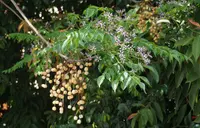
Instead of typical woody cones, matai produces single-seeded, olive-like structures called epimatium-clad seeds that are dispersed by birds which eat the fleshy outer layer and pass or drop the hard seed.

Distinctive juvenile foliage

Young matai plants have stiff, bluish, tangled foliage and can remain in this juvenile form for many years before gradually transitioning to the softer, darker, yew-like adult leaves.

Botan icon

Did you know?

Matai was once a dominant canopy tree in New Zealand’s lowland forests, and many existing old individuals are centuries old, reflecting extensive logging and land clearance that greatly reduced its original range.

FAQs about Matai

This conifer grows slowly, often only 10–20 cm per year in cultivation. Growth is faster in deep, fertile, consistently moist but well-drained soil, and noticeably slower in exposed, dry, or compacted sites.

Grow Healthy Plants with Botan Care

Keep your plants happy and healthy with plant identification, disease detection, and easy care guidance.

Botan plant care app — identify plants on mobile

Explore More Plants