snow gum Care (Eucalyptus pauciflora)

Also known as: Ghost Gum, Cabbage gum
snow gum

About snow gum

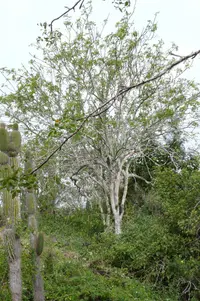
Snow gum, Eucalyptus pauciflora, is a cold-hardy evergreen tree native to high-altitude regions of southeastern Australia. It is often found in subalpine woodlands and open slopes.

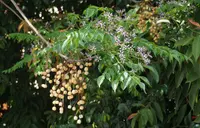
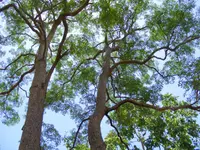
The tree has smooth, patchy bark in cream, gray, and green tones, with narrow, bluish-green leaves that release a strong eucalyptus scent. Mature trees can develop a picturesque, twisted trunk and spreading crown.

Snow gum adapts to poor, rocky soils and tolerates frost, wind, and brief drought once established, which simplifies how to care for snow gum in suitable climates. It prefers full sun, good air movement, and well-drained soil for healthy, steady growth.

Main Plant Requirements

Care Difficulty

Moderate Care

Light Preference

Full Sun

Water Requirements

Low Water

Temperature Preference

Cold Hardy

Hardiness Zone

7–9

Soil Texture

Sandy, Loamy, Rocky

Soil pH

Acidic (5.5–6.5), Slightly acidic (6.5–7.0)

Soil Drainage

Well-drained

Fertilization

Minimal (feed rarely)

Get Personalized Care Plan

Scan your plant to receive care tips personalized for your specific plant

Available on iOS and Android

How to Care for the snow gum

This hardy eucalyptus prefers abundant sun but adapts to varied light in temperate climates.

  • Provide 6–8 hours of direct sun daily; young snow gum benefits from morning sun with some protection from intense late-afternoon summer sun.
  • Allow light partial shade (2–4 hours sun) in hotter regions; trees in heavier shade grow thinner, lean toward light, and produce sparser foliage.
  • In winter, low sun angles are acceptable as long as the plant is not permanently shaded by buildings; avoid dense overhead canopy that blocks sky exposure.

Eucalyptus pauciflora prefers to dry between waterings once established.

  • For young trees, water deeply when the top 5–8 cm of soil feels dry, allowing the water to soak the root zone rather than giving light surface splashes.
  • Ensure sharply draining soil; soggy ground, algae growth, or a sour smell near roots signal overwatering and risk of root rot.
  • Mature, in-ground plants often need only occasional deep watering during prolonged drought; watch for dull, curling leaves as a sign the tree needs moisture.

This species is notably cold tolerant yet still responds best to moderate temperatures.

  • Optimal growth occurs around 50–75°F (10–24°C), with steady shoot and leaf development in these mild conditions.
  • Established trees typically tolerate down to about -4°F (-20°C), with some forms surviving brief drops near -13°F (-25°C) if soil is well drained.
  • In summer, plants handle 86–95°F (30–35°C) if roots have moisture; extreme heat above this, combined with dry winds, can cause leaf scorch and stress.

This species tolerates a wide humidity range, so humidity is rarely a limiting factor for snow gum.

Eucalyptus pauciflora prefers lean, well-drained, mineral-based soil that does not stay wet.

  • Use sandy or sandy-loam soil with low to moderate organic matter to mimic its native mountain conditions.
  • Aim for slightly acidic to neutral pH, around 6.0–7.0, avoiding strongly alkaline or saline substrates.
  • Blend coarse sand or fine grit with a small amount of compost to improve structure while keeping moisture low.
  • Avoid heavy clay, compacted soil, or mixes rich in peat that retain water and reduce aeration around the roots.

This species can be grown in containers when young, but long-term culture is challenging due to its eventual size and root vigor.

  • Choose a deep, heavy container that adds stability against wind for the tall, narrow canopy.
  • Select a mineral-based potting mix with added grit so water drains quickly through the root zone.
  • Position the pot where it cannot easily tip, as the trunk becomes rigid and does not flex with sudden gusts.

Eucalyptus pauciflora grows well in lean soil and usually needs minimal fertilization once established.

  • For container or young trees, use a balanced slow-release fertilizer or light compost in early spring.
  • Apply at low to moderate rates, about half the label strength for ornamental trees, to avoid overly lush, weak growth.
  • Feed only during the active growing season; do not apply fertilizer in late fall or winter.
  • Snow gum in nutrient-poor native-style plantings often thrives with no additional fertilizer once rooted.

Eucalyptus pauciflora benefits from light, purposeful pruning to maintain a safe, balanced structure.

  • Carry out main pruning in late winter to early spring before vigorous growth starts.
  • Remove dead, damaged, crossing, or inward-growing branches to improve airflow and reduce disease risk.
  • Thin crowded stems to shape the canopy and maintain a strong central framework if desired.
  • Use clean, sharp bypass pruners or a pruning saw, making smooth cuts just outside the branch collar.

Snow gum is usually grown in the ground, so transplanting young trees correctly matters more than long-term container repotting.

  • Transplant in late winter to early spring while growth is slower and soil is workable.
  • Look for roots circling the pot, water running straight through, or stalled growth as signs a nursery plant needs a larger planting spot.
  • Handle the root ball gently, loosening only lightly; avoid aggressive root disturbance to limit transplant shock.
  • Plant at the same depth, firm soil gently, water thoroughly, then keep soil evenly moist but not waterlogged for several weeks.

Eucalyptus pauciflora is most often propagated from seed, which can be slow but reliable with the right conditions.

  • Collect ripe seed capsules, dry them until seeds shed, then sow in late winter to early spring.
  • Use a free-draining seed mix, barely cover seeds, and keep medium lightly moist, not saturated.
  • Provide bright light, warmth around 65–75°F, and good air movement to support germination and early growth.
  • Semi-ripe cuttings are possible but often difficult to root, requiring high humidity and bottom heat in a controlled environment.

Eucalyptus pauciflora is among the hardier eucalypts, but young or container plants may need some winter attention in colder regions.

  • Mature trees tolerate moderate frost; young plants are more vulnerable to sudden hard freezes.
  • Apply a 5–8 cm mulch layer around the root zone, keeping it slightly away from the trunk base.
  • Move container-grown specimens to a sheltered, bright, frost-free area when extended freezes are forecast.
  • Avoid heavy pruning or high-nitrogen feeding in late fall, which can encourage tender growth that suffers in winter.

Care Tips

Shelter From Wind

Site young trees where they have some shelter from strong prevailing winds or use temporary windbreak mesh for the first 2–3 years to reduce stem rock and root disturbance.


Single-Leader Training

In the first few years, select one strong central stem and remove competing leaders during late winter to develop a stable framework and reduce the risk of future storm damage.

Mulch Ring Management

Maintain a 5–10 cm deep mulch ring that is kept 5–8 cm away from the trunk to conserve soil moisture, suppress weeds, and prevent bark rot at the base.

Summer Heat Adaptation

In very hot, dry regions, install a light-colored gravel or rock mulch on the sunniest side to reflect heat and reduce soil surface cracking around the root zone.

Low-Water Establishment

To support growing snow gum in arid climates, use a deep, slow soak with a hose or drip line every 10–14 days in the first 1–2 summers instead of frequent shallow watering to encourage deep rooting.

Common Pests and Diseases

Myrtle rust

This disease causes bright yellow to orange powdery pustules on young leaves, shoots, and stems, often leading to leaf distortion and dieback. Symptoms include defoliation of new growth and reduced vigor in severe cases.

Solution

Remove and bag heavily infected shoots and fallen leaves, then dispose of them in household trash rather than compost. Improve spacing and airflow around trees, avoid overhead watering, and in high-risk areas consider using a registered systemic fungicide labeled for myrtle rust, following local regulations and label directions carefully.

Eucalyptus leaf beetle

These insects chew distinctive notches and holes along leaf edges, especially on juvenile foliage, and heavy feeding can skeletonize leaves. This pest often concentrates on young trees or low branches.

Solution

Prune and destroy heavily infested foliage and check the undersides of leaves for yellow eggs, which can be wiped off or removed by hand. Encourage local predators such as birds, use sticky bands to reduce larvae climbing the trunk, and if damage is severe consider a targeted treatment with a low-impact insecticide like horticultural oil or spinosad, applied according to label instructions.

Psyllids (lerp insects)

These insects produce small dome-shaped white or brown covers (lerps) on leaves and suck sap, leading to yellowing, leaf distortion, and occasional leaf drop. Honeydew from feeding can support sooty mold on the foliage.

Solution

Hose down foliage with a firm stream of water to dislodge lerps and reduce numbers, focusing on the undersides of leaves. Maintain tree health with proper watering and avoid excess nitrogen, and if infestation is heavy use an insecticidal soap or horticultural oil applied thoroughly to leaf surfaces, repeating as needed.

Leaf spot

This disease causes small dark brown to gray lesions on leaves, often with a purple edge, which can merge and lead to partial leaf death. Symptoms include premature leaf drop on lower or shaded branches.

Solution

Collect and discard fallen leaves, thin dense branches to improve light and airflow, and avoid wetting foliage when irrigating to support better Eucalyptus pauciflora care. In persistent or severe cases, a copper-based fungicide applied at the start of warm, wet periods can help limit new infections.

Interesting Facts

Cold-hardy eucalyptus

Eucalyptus pauciflora is one of the hardiest eucalypts, naturally occurring above the winter snowline in parts of the Australian Alps and tolerating frequent freeze–thaw cycles that would kill most other Eucalyptus species.

Snow gum bark pattern

Its trunk and larger branches develop smooth, patchy bark in cream, green, and grey tones that sheds in irregular plates, creating characteristic swirling patterns linked to differential growth and bark shedding rates.

Alpine habitat specialist

This species often grows in windswept, nutrient-poor alpine and subalpine sites where it forms open woodlands that play a key role in stabilizing shallow soils and influencing snowpack melt patterns.

Botan icon

Did you know?

Snow gum foliage has a waxy coating and anatomical adaptations that reduce water loss and protect leaf tissues from freezing damage, allowing photosynthesis to continue at low temperatures where many tree species enter deep dormancy.

FAQs about snow gum

Growth is usually moderate. Young trees often add 30–60 cm per year under good light, drainage, and moisture. In harsher or drier sites, growth can slow considerably. Proper pruning and mulching support steady development when growing snow gum.

Grow Healthy Plants with Botan Care

Keep your plants happy and healthy with plant identification, disease detection, and easy care guidance.

Botan plant care app — identify plants on mobile

Explore More Plants