Root zone protection
Apply a 5–8 cm ring of coarse organic mulch around, but not touching, the trunk to keep roots cool, reduce soil evaporation, and protect feeder roots from mechanical damage during mowing.

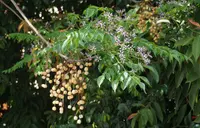
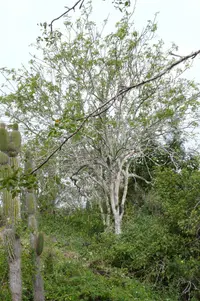
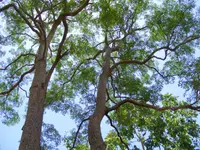
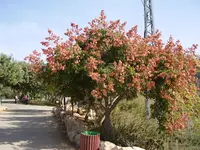
Chinaberry, Melia azedarach, is a fast-growing deciduous tree often used as a shade or ornamental tree in warm climates. It develops a rounded crown with finely divided, fern-like leaves and clusters of showy, fragrant spring flowers followed by yellow berry-like fruits.
This species is native to Asia but is now naturalized in many subtropical and warm temperate regions. It can spread aggressively in suitable climates, which affects how easy it is to manage.
The tree is relatively tough and tolerant of heat, drought, and poor soils, but seedlings may appear in unwanted places. Gardeners who plan to care for Chinaberry should consider its spreading habit and fruit drop.

Care Difficulty
Easy Care

Light Preference
Full Sun

Water Requirements
Moderate Water

Temperature Preference
Warm Climate

Hardiness Zone
7–11

Soil Texture
Sandy, Loamy, Clay

Soil pH
Slightly acidic (6.5–7.0), Slightly alkaline (7.0–7.5)

Soil Drainage
Well-drained

Fertilization
Minimal (feed rarely)
Scan your plant to receive care tips personalized for your specific plant
Available on iOS and Android
This deciduous tree prefers bright, direct light in most climates for strong growth.
This species prefers deep, infrequent watering once established rather than constant surface moisture.
This tree is adapted to warm temperate to subtropical climates with distinct seasonal changes.
This species tolerates a wide humidity range and rarely needs special humidity management outdoors.
Melia azedarach grows best in moderately fertile, well-draining mineral soils.
This species can be grown in containers for its juvenile stages, but long-term growth is challenging due to size and vigor.
This fast-growing tree responds well to moderate feeding during its active season but does not need heavy fertilization.
Pruning Melia azedarach helps manage size, structure, and safety around paths or buildings.
This species is usually grown in the ground, so care focuses on transplanting young trees rather than long-term container culture.
Chinaberry is most often propagated from seed, which allows production of many plants at low cost.
Established trees are moderately cold hardy and often need little winter attention in mild to warm regions.

Plant Health Check
Not sure what's wrong with your plant? Check your plant's health inside the app.
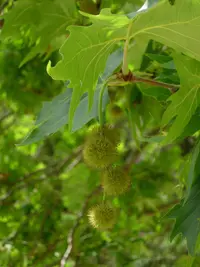
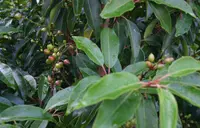
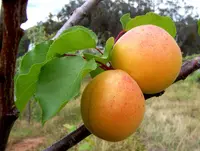
The glossy yellow to orange fruits are drupes that contain neurotoxic compounds and are well documented to cause serious poisoning in humans and many mammals if eaten in quantity, even though some bird species safely feed on them and disperse the seeds.
Outside its native range in Asia and Australasia, this species has become a serious invasive tree in parts of the southern United States, South Africa, and Australia, forming dense stands that outcompete native vegetation and alter understory plant communities.
Leaves, fruits, and seeds contain limonoids chemically related to those in neem, and extracts have been scientifically studied for their insecticidal and antifeedant effects on agricultural pests, although they must be handled carefully due to the plant’s overall toxicity.
In several regions, large plantations of this species were established historically for shade and timber, and the pale, moderately lightweight wood has been used for furniture, carvings, and rural construction, sometimes serving as a local substitute for mahogany where that timber is scarce.
Lack of flowers usually comes from insufficient light, heavy pruning at the wrong time, or nutrient imbalance from excess nitrogen. Age also matters; young trees may need several years before regular flowering begins.
Keep your plants happy and healthy with plant identification, disease detection, and easy care guidance.