Mexican plum Care (Prunus mexicana)

Mexican plum

About Mexican plum

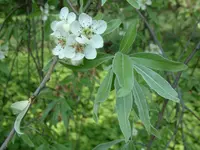
Mexican plum, Prunus mexicana, is a small deciduous tree or large shrub valued for its early spring flowers and attractive seasonal interest. It usually develops a rounded crown with a single trunk and rough, dark bark.

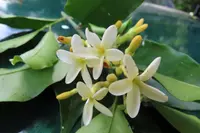
In its native range across the south-central United States and northern Mexico, it grows in open woodlands, fence lines, and rocky slopes. White blossoms appear before the leaves, followed by small edible plums that attract wildlife.

This species is relatively hardy and adaptable, which makes it straightforward for many gardeners to care for Mexican plum. It prefers full sun, moderately moist but well-drained soil, and benefits from some drought tolerance once established.

Main Plant Requirements

Care Difficulty

Moderate Care

Light Preference

Full Sun

Water Requirements

Moderate Water

Temperature Preference

Cold Hardy

Hardiness Zone

6–9

Soil Texture

Sandy, Loamy, Clay

Soil pH

Slightly acidic (6.5–7.0), Neutral (7.0)

Soil Drainage

Well-drained

Fertilization

Minimal (feed rarely)

Get Personalized Care Plan

Scan your plant to receive care tips personalized for your specific plant

Available on iOS and Android

How to Care for the Mexican plum

This species performs best in open sites with strong light and some daily direct sun.

  • Provide 6–8 hours of direct sun, ideally with morning sun and light afternoon shade, especially in hotter regions.
  • Tolerates partial shade (3–4 hours sun) but flowering and fruiting of Mexican plum may be reduced and canopy may become thinner.
  • In young trees, prevent leaf scorch by avoiding reflected heat from pavement and monitor during summer when midday sun is most intense.

This tree prefers evenly moist, well-drained soil once established in the landscape.

  • Allow the top 5–8 cm of soil to dry between deep soakings, aiming for thorough root-zone wetting rather than frequent light sprinkling.
  • During the first 2–3 years, increase watering during hot, dry spells and reduce during cool, rainy periods to prevent root rot in poorly drained soils.
  • Watch for wilting, curled leaves, or dry twig tips as signs of drought stress, and for yellowing leaves or dieback as signs of overwatering.

This species is adapted to temperate climates with warm summers and cold winters.

  • Optimal growth occurs around 65–85°F (18–29°C), with active shoot and leaf development in late spring and summer.
  • Mature trees tolerate winter lows near -10°F (-23°C), but young plants benefit from protection from hard freezes and drying winter winds.
  • Handles summer heat up to about 95°F (35°C) if soil moisture is adequate; prolonged extremes above this can cause leaf scorch and reduced fruit set.

This species is adapted to outdoor semi-arid to moderately humid conditions and usually does not need humidity adjustment.

  • Performs reliably in 30–60% relative humidity common in most outdoor temperate landscapes.
  • Tolerates dry air well once established, provided soil moisture is not allowed to fluctuate between extremes.
  • Watch for humidity stress as marginal leaf browning during prolonged hot, dry winds combined with drought.
  • In exposed, very dry sites, reduce stress by using windbreaks and maintaining an even soil moisture level around Mexican plum.

Prunus mexicana prefers moderately fertile, well-drained mineral soils that do not stay waterlogged.

  • Use a loamy or sandy-loam soil with some organic matter, allowing water to drain within a few minutes after irrigation.
  • Aim for slightly acidic to neutral pH around 6.0–7.5, which supports nutrient availability and healthy root function.
  • In heavier clay, improve structure and aeration by incorporating coarse sand or fine gravel plus 20–30% compost into the planting area.
  • Avoid compacted, low-lying spots where water stands after rain, since prolonged saturation encourages root rot and weak growth.

This species can be grown in containers when young, but long-term culture is challenging due to its eventual size and root needs.

  • Choose a deep, heavy container to stabilize the tree against wind and support the developing taproot-like primary root system.
  • Select thick-walled clay or concrete pots if possible, as they moderate temperature swings and reduce tipping in gusty conditions.
  • Ensure drainage holes remain fully open and elevate the pot slightly so excess irrigation water clears quickly and does not reabsorb into the root zone.

This native tree usually grows well in average soil, but light feeding supports better flowering and fruiting.

  • Apply a balanced slow-release fertilizer (around 10-10-10) once in early spring as new growth starts.
  • Use a thin layer of compost over the root zone to improve soil structure and long-term nutrition.
  • For young Mexican plum trees, water in fertilizer well and use at 1/2 label strength to avoid salt stress.
  • Skip additional feeding in late fall and winter, when the tree is dormant.

Pruning supports a strong structure and good air flow for Prunus mexicana.

  • Do main pruning in late winter to very early spring, before bud break.
  • Remove dead, diseased, crossing, or inward-growing branches with clean, sharp bypass pruners or loppers.
  • Thin crowded interior branches to improve light penetration, reducing fungal problems and improving flowering.
  • Shorten or remove poorly placed limbs to maintain a balanced crown and safe clearance from paths or buildings.

This species is usually grown in the ground, so focus on careful site transplanting rather than frequent repotting.

  • Transplant young trees in late winter or early spring while still dormant for faster establishment.
  • Look for slow growth, circling roots, or a root-bound container as signs that a nursery tree needs a larger hole or pot.
  • Dig a wide, shallow planting hole, teasing out circling roots and setting the root flare at soil level.
  • Water deeply after planting, mulch 5–8 cm away from the trunk, and keep soil evenly moist to reduce transplant shock.

Prunus mexicana is mainly propagated by seed and sometimes by hardwood cuttings.

  • Collect ripe fruit in late summer or fall, clean the seeds, and provide cold stratification at 34–41°F for 60–90 days.
  • Sow stratified seeds in a well-drained, gritty mix, keeping it slightly moist until germination in spring.
  • Take hardwood cuttings in late winter, treat the base with rooting hormone, and insert into a free-draining medium.
  • Maintain bright, indirect light and cool, stable temperatures to encourage steady rooting and reduce rot risk.

This tree is generally cold hardy in much of its range and needs minimal winter care once established.

  • Tolerates typical winter lows across USDA zones 6–9, though young plants appreciate some extra protection.
  • Apply 5–8 cm of organic mulch over the root zone in late fall, keeping it off the trunk.
  • For container plants, move pots into an unheated garage or sheltered area to prevent root freeze-thaw damage.

Care Tips

Wind‑firm training

In the first 3–5 years, shorten or remove competing leaders and favor a single central trunk so the tree develops strong structure that resists wind and ice damage later.

Sucker management

Inspect the base and root zone 2–3 times per year and promptly cut off any root suckers at or below soil level to keep the tree’s energy focused on the main canopy and maintain a clean form.

Fruit load thinning

If branches are heavily fruiting, selectively remove some young plums by hand so remaining fruits size up better and limbs are not stressed or broken by excess weight.

Borer monitoring wraps

From late spring through summer, place corrugated cardboard or burlap wraps loosely around the lower trunk to check for borer frass and larvae, then remove and destroy the wraps every few weeks to disrupt pests.

Wildlife protection

Install a 60–90 cm tall hardware-cloth guard around the trunk for the first several years to prevent bark damage from rabbits, voles, or deer, which can seriously slow growing Mexican plum in exposed sites.

Common Pests and Diseases

Black knot

This disease causes rough, black, swollen galls on twigs and branches that gradually girdle and kill affected wood.

Solution

Prune out infected twigs and branches at least 15–20 cm below visible galls during dry weather, and destroy all prunings. Maintain good airflow through regular thinning, avoid overhead irrigation on landscape trees, and in high-pressure areas use a registered fungicide at bud break according to local extension recommendations as part of broader Prunus mexicana care instructions.

Bacterial canker

This disease produces sunken, gummy cankers on trunks and branches, often accompanied by dieback of shoots and delayed leaf-out in spring.

Solution

Remove and destroy affected branches during dry periods, cutting several cm below visible canker tissue and disinfecting pruning tools between cuts. Reduce plant stress by proper watering and balanced fertilization, avoid pruning during wet, cool weather, and protect bark from mechanical injury that can serve as entry points for the bacteria.

Plum curculio

This pest is a small beetle whose larvae tunnel inside developing fruit, causing scars, premature fruit drop, and wormy plums.

Solution

Collect and destroy dropped, infested fruit throughout the season to break the life cycle, and keep the ground under trees clear of debris. Where plum curculio pressure is high, apply a suitable fruit-tree insecticide timed to petal-fall and early fruit development, following local extension timing and label directions.

Peach tree borer

This pest attacks at the base of the trunk, where larvae tunnel under the bark and into the wood, leading to gum exudation and possible decline or death of young trees.

Solution

Inspect the lower trunk and root flare regularly for gum mixed with sawdust-like frass and remove accessible larvae with a thin wire when found. Keep trunk bases visible and weed-free, avoid mechanical injury from mowers or trimmers, and in problem areas use labeled trunk sprays or pheromone-based mating disruption according to regional guidelines.

Brown rot

This fungal disease affects blossoms and fruit, causing flower blight, fruit rot, and tan spores on mummified plums that may remain on the tree.

Solution

Prune to open the canopy and remove all mummified fruit and blighted twigs, disposing of them away from the planting area. During wet springs or in high disease pressure areas, apply an appropriate fungicide during bloom and preharvest periods following label instructions and local extension schedules to protect flowers and developing fruit.

Interesting Facts

Early spring nectar source

Mexican plum flowers early in spring before leaf-out, providing one of the first reliable nectar and pollen sources for native bees and early-emerging pollinators in its range.

High wildlife value

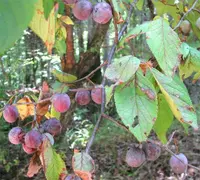
Its small purple fruits are eaten by many bird and mammal species, and the tree also serves as a host plant for several butterfly and moth larvae, increasing biodiversity in mixed woodlands and hedgerows.

Distinctive single-trunk habit

Unlike many native American plums that form thickets by suckering, Mexican plum typically develops a single, short trunk with a rounded crown, which makes it function more like a small ornamental tree in landscapes.

Botan icon

Did you know?

Genetic and field studies indicate that Mexican plum can hybridize with some other native North American plums, and these natural hybrids contribute to the high diversity and taxonomic complexity seen within the wild plum group in central and southern United States woodlands.

FAQs about Mexican plum

Lack of flowers usually comes from insufficient sun, young plant age, heavy pruning at the wrong time, or nutrient imbalance. Avoid high-nitrogen fertilizer, prune only after flowering, and ensure the tree receives strong, direct light.

Grow Healthy Plants with Botan Care

Keep your plants happy and healthy with plant identification, disease detection, and easy care guidance.

Botan plant care app — identify plants on mobile

Explore More Plants