Platonia Care (Platonia insignis)

Also known as: bacuri, maniballi, naranjillo, bacurizeiro
Platonia

About Platonia

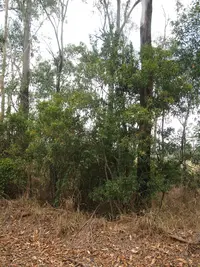
Platonia, or Platonia insignis, is an evergreen fruit tree native to the Amazon region of Brazil and neighboring countries. It belongs to the Clusiaceae family, the same group as mangosteen. The tree develops a dense, rounded crown with thick, leathery leaves and large, fragrant white flowers, followed by yellow to orange fruits with aromatic, acidic pulp. In its natural habitat it grows in warm, humid, lowland forests and prefers consistently moist but well-drained soils. Outside the tropics it is challenging to grow, as it needs stable warmth, high humidity, and space, so care for Platonia is usually limited to specialist collectors or suitable tropical gardens.

Main Plant Requirements

Care Difficulty

Hard Care

Light Preference

Partial Shade

Water Requirements

Regular Water

Temperature Preference

Tropical / Frost Sensitive

Hardiness Zone

11–12

Soil Texture

Loamy, Sandy, Organic-rich

Soil pH

Acidic (5.5–6.5)

Soil Drainage

Moist but well-drained

Fertilization

Minimal (feed rarely)

Get Personalized Care Plan

Scan your plant to receive care tips personalized for your specific plant

Available on iOS and Android

How to Care for the Platonia

This tropical tree prefers bright, gentle light similar to a lightly shaded forest edge.

  • Provide 3–5 hours of morning sun with bright, dappled or filtered light the rest of the day; avoid intense afternoon sun in hot climates.
  • Plants grown in partial shade (about 40–60% shade cloth or light canopy cover) develop healthier foliage and suffer less leaf scorch.
  • Prolonged deep shade reduces flowering and fruiting; in summer, increase shade slightly, and in winter, allow more direct sun where possible when caring for Platonia.

This species prefers consistently moist but not waterlogged soil, reflecting its rainforest origin.

  • Irrigate when the top 3–5 cm of soil feels slightly dry; soil below should stay evenly moist, not soggy.
  • Use deep, thorough watering on well-drained soil, then allow slow drying; yellowing, soft leaves suggest overwatering, while dull, curling leaves indicate underwatering.
  • Reduce frequency in cooler or rainy seasons and increase during hot, dry periods, always checking soil moisture rather than following a fixed schedule for Platonia insignis.

This Amazonian tree thrives in warm, stable temperatures with no exposure to frost.

  • Aim for 70–86°F (21–30°C) for active growth; growth slows noticeably below about 68°F (20°C).
  • Avoid temperatures under 50°F (10°C); brief drops to 45°F (7°C) may be survived but can cause leaf damage or growth setback.
  • The plant tolerates short heat waves up to about 95°F (35°C) if soil moisture is maintained, but dry, hot winds increase stress and leaf scorch risk.

This species prefers consistently humid air to support lush foliage and healthy growth.

  • Aim for 60–80% humidity, as Platonia insignis naturally inhabits warm, moist tropical environments.
  • It tolerates brief dips to 40–50% but prolonged dry indoor air leads to leaf edge browning and tip dieback.
  • Increase humidity with a nearby humidifier, grouped plants, or a pebble tray, and keep it away from strong drafts or heating vents.

Platonia insignis performs best in deep, loose, moisture-retentive yet sharply draining soil.

  • Use a loamy, organic-rich base blended with coarse sand and fine bark to balance moisture holding and drainage.
  • Aim for slightly acidic to neutral pH around 6.0–7.0 to keep nutrients available and roots active.
  • Incorporate perlite or pumice to increase aeration, prevent compaction, and support deeper root penetration.
  • Avoid heavy clay, waterlogged spots, or mixes that stay soggy, which promote root rot and poor growth.

This species can be grown in large containers if moisture, root space, and stability are well managed.

  • Choose a deep, heavy container that resists tipping as the plant gains height and canopy mass.
  • Use a tall pot profile to accommodate the strong taproot and encourage downward rather than circling root growth.
  • Select a thick-walled, non-porous pot material to reduce rapid moisture loss in warm conditions.

This slow-growing tropical tree benefits from light, steady feeding rather than heavy fertilization.

  • Use a balanced slow-release fertilizer (around 10-10-10) or well-rotted compost at the start of the warm growing season.
  • Apply fertilizer 1–2 times per year in spring–early summer for container-grown Platonia insignis or young trees.
  • Dilute any liquid feed to 1/2–1/4 strength to avoid root burn and excessive vegetative growth.
  • Avoid feeding in late fall and winter when growth slows, especially in cooler or low-light conditions.

Pruning Platonia insignis focuses on health and structure rather than frequent size control.

  • Schedule main pruning at the end of the dry or cool season, just before active growth resumes.
  • Remove dead, diseased, rubbing, or storm-damaged branches using clean, sharp bypass pruners or a pruning saw.
  • Thin crowded interior branches to improve light penetration and airflow, shaping a strong, open canopy.
  • Limit cuts to smaller branches, avoiding heavy topping that can weaken structure and invite decay.

This species is usually grown as an in-ground tree, so attention centers on careful transplanting of young plants.

  • Transplant in warm, stable weather, ideally early in the rainy or growing season to support root establishment.
  • Look for signs such as roots circling the pot, dense root mass, or slowed growth before moving container plants up 1 size.
  • Water the plant well before transplanting, keep the root ball intact, and minimize disturbance to fine feeder roots.
  • Set the tree at the same soil level as before, backfill with native soil, water deeply, then shade lightly for several days to reduce stress.

Platonia insignis is typically propagated from seed, though germination can be slow and variable.

  • Collect fresh, fully ripe seeds and sow them soon after harvest, as viability drops with storage.
  • Sow seeds in a deep, well-drained, slightly acidic mix, keeping temperature around 75–85°F and humidity high.
  • Maintain consistently moist but not waterlogged conditions, and provide bright, indirect light during germination.
  • For best results, space seeds well and avoid disturbing seedlings until roots are well developed.

This tropical tree is sensitive to freezing temperatures and needs protection in regions with cold winters.

  • In ground, add a 5–10 cm layer of organic mulch around the root zone, keeping it slightly away from the trunk.
  • For container plants, move indoors or into a heated greenhouse before temperatures drop near 40°F.
  • Provide bright light and reduced but consistent watering indoors to prevent stress during cool months.

Care Tips

Encourage Deep Roots

Mulch lightly around the root zone with coarse organic material, keeping it 5–8 cm away from the trunk, to conserve soil moisture and encourage a deeper, more resilient root system for this long-lived tree.

Manage Fruit Load

Thin young fruits by hand so that clusters are not crowded and very small or damaged fruits are removed, which helps remaining fruits reach better size and reduces stress on branches.

Protect Branch Structure

Install sturdy props or soft ties under heavily laden branches before the main fruiting season to prevent limb breakage and maintain a strong, open canopy.

Improve Pollination

Plant at least 2–3 genetically different seedlings or grafted trees within 10–15 m and avoid broad-spectrum insecticides during flowering to encourage cross-pollination and higher fruit set when growing Platonia.

Monitor Resin Bleeding

Check the trunk and main branches for unusual resin exudation and promptly prune out and dispose of any cankered or sunken areas with clean tools, then keep the area dry to limit potential fungal spread.

Common Pests and Diseases

Fruit borers

These insects tunnel into ripening bacuri fruits, causing premature fruit drop and internal rotting of the pulp and seeds.

Solution

Collect and destroy infested and fallen fruits, use fine-mesh bagging on developing fruits where practical, and keep the area under trees clean to reduce larvae pupation sites; in orchards, targeted use of biological insecticides based on Bacillus thuringiensis during flowering and early fruit set can help break the life cycle.

Fruit fly infestation

This pest lays eggs in maturing fruits, leading to soft, brown, worm‑ridden pulp and heavy loss of marketable bacuri fruits.

Solution

Regularly collect and dispose of fallen and visibly stung fruits, use bait traps or lure traps around trees to reduce adult populations, and consider fruit bagging before ripening; in production settings, adopt integrated pest management with protein bait sprays placed away from foliage rather than over the entire canopy.

Anthracnose

This disease causes dark, sunken lesions on leaves, young shoots, and fruits, which may merge and lead to leaf distortion and fruit blemishes.

Solution

Prune and remove infected twigs and mummified fruits, improve canopy airflow by thinning dense branches, and avoid overhead irrigation; in orchards, apply registered copper‑based or biofungicide sprays at the start of the rainy season according to local Platonia insignis care guidelines.

Leaf spot complex

Symptoms include small brown to gray spots on leaves that may expand, coalesce, and cause partial defoliation, especially in humid, shaded conditions.

Solution

Rake and remove fallen leaves, thin nearby vegetation to increase light and airflow, and avoid wetting foliage late in the day; in persistent cases, use a preventive fungicide program timed to the onset of the rainy period while monitoring for new infections.

Scale insects

This pest appears as small, fixed bumps on stems and leaf veins, extracting sap and leading to yellowing, reduced vigor, and sometimes sooty mold on honeydew deposits.

Solution

Physically remove heavily infested twigs, wash reachable branches with a mild soap solution and water, and encourage or introduce natural predators such as lady beetles; in heavier orchard infestations, apply horticultural oil during calm, cool periods to suffocate scales, ensuring full coverage of bark and undersides of branches.

Interesting Facts

Amazonian canopy giant

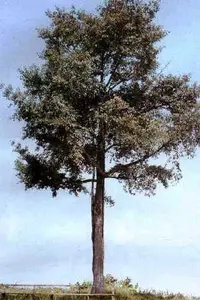
This tree can reach over 30 m tall in its native Amazon and Atlantic rainforest habitats, forming part of the upper canopy and providing shade and structure for many understory species.

Thick, latex-rich bark

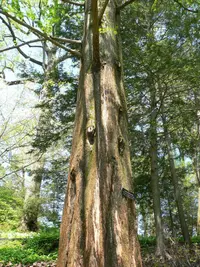
The bark contains abundant latex canals that exude a white, sticky sap when cut, which is thought to help seal wounds and reduce damage from insects and pathogens.

Large-seeded rainforest fruit

Its yellow, thick-shelled fruit encloses a few large seeds surrounded by a fragrant, white pulp that is eaten locally and also dispersed by wild mammals that consume fallen fruit.

Botan icon

Did you know?

The species is considered regionally vulnerable in parts of its native range because it depends on intact, humid lowland rainforest, so large-scale deforestation and habitat fragmentation have led to marked declines in natural populations in several areas of northern Brazil.

FAQs about Platonia

This slow-growing tree usually adds only 20–40 cm of height per year. In suitable tropical conditions it can eventually reach 10–15 m tall, forming a dense canopy and a strong central trunk.

Grow Healthy Plants with Botan Care

Keep your plants happy and healthy with plant identification, disease detection, and easy care guidance.

Botan plant care app — identify plants on mobile

Explore More Plants