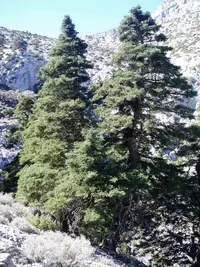
Joint Pine Care (Ephedra fragilis)

Joint Pine

About Joint Pine

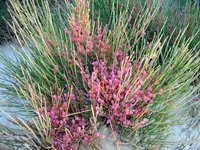
Joint pine (Ephedra fragilis) is a woody, evergreen shrub from arid and coastal regions around the Mediterranean. It belongs to an ancient group of seed plants known as gymnosperms, like pines and conifers. It typically forms low, dense clumps of green, jointed stems with very small, scale-like leaves and a somewhat architectural, broom-like look. This structure makes it well suited to dry, windy, and exposed sites. The species is adapted to poor, sandy or rocky soils and tolerates drought once established, but it dislikes heavy, waterlogged conditions. It generally prefers full sun and good drainage, which simplifies how to care for Joint Pine in suitable climates.

Main Plant Requirements

Care Difficulty

Easy Care

Light Preference

Full Sun

Water Requirements

Low Water

Temperature Preference

Warm Climate

Hardiness Zone

8–10

Soil Texture

Sandy, Loamy, Rocky

Soil pH

Slightly alkaline (7.0–7.5), Alkaline (7.5–8.5)

Soil Drainage

Well-drained

Fertilization

Minimal (feed rarely)

Get Personalized Care Plan

Scan your plant to receive care tips personalized for your specific plant

Available on iOS and Android

How to Care for the Joint Pine

This sun-loving desert shrub needs strong light to stay compact and healthy.

  • Provide 6–8 hours of direct sun daily; full, unshaded exposure suits Joint Pine best in dry climates.
  • In very hot regions, give morning sun with light afternoon shade to reduce leaf scorch and excessive moisture loss.
  • Newly planted shrubs benefit from slightly filtered sun their first summer, then can transition to full sun as roots establish.

This drought-adapted shrub prefers infrequent, deep watering and dry soil between soakings.

  • Outdoors in the ground, water only when the top 5–8 cm of soil are completely dry and stems look slightly less turgid.
  • Use sharply drained, sandy or gravelly soil so water runs through quickly; standing water around roots quickly harms Ephedra fragilis.
  • Reduce or stop watering in cool, rainy seasons; resume careful deep watering during prolonged hot, dry periods if natural rainfall is low.

This Mediterranean desert species tolerates a wide temperature range but dislikes prolonged hard frost.

  • Best growth occurs around 65–85°F (18–29°C) in dry air and well-drained soil.
  • Mature plants often survive down to about 15–20°F (-9 to -6°C), but repeated freezes below this can damage young stems and roots.
  • Tolerates dry heat up to 95–100°F (35–38°C) if soil is dryish and air moves freely; avoid humid, hot sites that trap heat.

Ephedra fragilis tolerates very low humidity and usually does not need any special humidity management indoors or outdoors.

Ephedra fragilis prefers very fast-draining, mineral soils that closely mimic dry, rocky habitats.

  • Use a gritty mix such as 50–70% coarse sand or grit blended with a lean cactus or succulent mix to prevent waterlogging.
  • Ensure drainage is rapid, with water running through the pot or bed within seconds, not minutes, after watering.
  • Aim for slightly alkaline to neutral pH (7.0–8.0), which suits this Mediterranean shrub and helps avoid nutrient imbalances.
  • Avoid heavy, compacted, or peat-heavy substrates, which hold moisture around the roots and promote rot in this desert-adapted species.

This species adapts well to container growing when provided with excellent drainage and a stable, deep pot.

  • Choose a tall, narrow container to accommodate the long, fibrous roots and to keep the plant upright as stems elongate.
  • Use a heavy or weighted pot material, such as thick terracotta or stone, to prevent tipping in windy, exposed positions.
  • Raise the pot on feet or spacers so drainage holes stay clear and runoff leaves the container rapidly after irrigation.

Ephedra fragilis adapts to poor, rocky soils and usually needs only light feeding in cultivation.

  • Apply a light layer of compost around the root zone in spring to support steady growth.
  • Use a low-dose, balanced NPK granular or slow-release fertilizer once in early spring during active growth.
  • Dilute any liquid feed to 25–50% strength to avoid salt buildup and root burn in this sparse-rooted shrub.
  • Stop feeding in late summer so growth hardens off before winter, avoiding soft, frost-sensitive shoots on Joint Pine.

Pruning Ephedra fragilis is mainly corrective, helping maintain structure and remove weak growth.

  • Carry out light pruning in late winter or very early spring before new shoots extend.
  • Remove dead, damaged, or crossing stems at the base to keep the open, twiggy framework healthy.
  • Thin congested areas slightly to improve air flow and keep the plant’s natural arching form.
  • Use clean, sharp bypass pruners and make smooth cuts to limit tissue damage and infection risk.

This shrub is usually grown in the ground; transplanting is infrequent and should be done with care.

  • Look for signs such as roots circling a pot, poor drainage, or slowed growth before moving an Ephedra fragilis.
  • Plan any transplant or up-potting for early spring, when soil is workable and new root growth will resume.
  • Transplant only every few years, choosing a gritty, very free-draining soil and a pot just 2–5 cm wider if container grown.
  • Lift with a wide root ball, disturb roots as little as possible, water once to settle soil, then keep slightly dry while it re-establishes.

Propagation of Ephedra fragilis is possible from seed and semi-hardwood cuttings under suitable conditions.

  • Collect ripe seeds in late summer, then sow in autumn or early spring in a gritty, well-drained mix.
  • Provide cool stratification at 35–45°F for several weeks if germination is slow or uneven.
  • Take semi-hardwood cuttings in late spring–summer, 8–10 cm long, with a heel of older wood if possible.
  • Insert cuttings in coarse sand or a sandy mix, keep just lightly moist, and maintain bright light with good air movement.

Mature Ephedra fragilis is fairly cold hardy and often needs little specific winter care in suitable climates.

  • In regions with sustained freezes below about 10–15°F, apply a light gravel or bark mulch to insulate roots without trapping moisture.
  • Keep soil on the dry side in winter, especially on heavy soils, to reduce root rot risk.
  • Move container plants to a cold, bright, sheltered spot, such as an unheated greenhouse, to avoid severe freeze–thaw stress.

Care Tips

Gravel Root Collar

Keep the basal stem zone mulched with coarse gravel, not organic mulch, so the crown stays dry, reducing rot risk while still moderating soil temperature.

Use Mineral Mulch

Top-dress around the plant with 2–4 cm of grit or small stones to suppress weeds and prevent soil from splashing onto stems during rain or irrigation, which helps limit fungal problems.

Train Against Support

Install a low, open trellis or rock feature and gently guide stems over it so the plant develops a stable, sculptural form that resists wind damage and makes maintenance easier.

Controlled Container Stress

In containers, choose a slightly snug, heavy pot and avoid frequent up‑potting so the root system fills the volume and stabilizes the plant, which often results in denser, more compact growth when growing Joint Pine.

Winter Wet Protection

In regions with cool, wet winters, tilt or slightly mound the planting area and, if needed, use a simple clear rain shield to keep excess water off the root zone while still allowing full light exposure.

Common Pests and Diseases

Stem canker

This disease causes sunken, discolored lesions on stems, often leading to dieback of individual jointed segments. Symptoms include cracking or girdling of older stems, especially after physical damage or stress.

Solution

Prune out affected stems well below the canker into healthy tissue and dispose of the material, then disinfect cutting tools with 70% alcohol between cuts. Improve drainage and avoid mechanical injury, and in very wet or high-risk conditions a copper-based fungicide spray on stems at the start of the rainy season can help reduce new infections.

Scale insects

These insects appear as small, fixed bumps on stems and joints, sometimes with a waxy or shell-like covering. This pest feeds on plant sap, causing yellowing, reduced vigor, and sticky honeydew that can support sooty mold growth.

Solution

Scrape or wipe individual scales from stems with a cotton pad dipped in isopropyl alcohol and repeat every 7–10 days until activity stops. For heavier infestations, apply a horticultural oil spray that thoroughly coats stems and joints, taking care to spray in cooler parts of the day to avoid heat stress and following label instructions for desert or xeric shrubs.

Spider mites

These insects create fine webbing between jointed segments and cause a dusty, stippled appearance on green tissues. This pest is favored by hot, dry, dusty conditions and can weaken plants over time.

Solution

Rinse stems thoroughly with a firm stream of water to remove mites and webbing, focusing on crevices between joints, and repeat weekly while conditions stay hot and dry. In persistent cases, apply an insecticidal soap or light horticultural oil, ensuring full coverage and avoiding application during the hottest part of the day to prevent tissue burn while growing Ephedra fragilis in exposed sites.

Interesting Facts

Cliffside specialist

This species naturally anchors itself in limestone cliffs, rocky crevices, and coastal slopes around the western Mediterranean, where its deep, woody root system helps it exploit tiny pockets of soil and moisture others cannot use.

Salt-tolerant shrub

Populations along Mediterranean coasts tolerate salty spray and winds, allowing the plant to persist in exposed maritime habitats where many shrubs suffer leaf burn or desiccation.

Dioecious cone bearer

The shrub is dioecious, meaning male and female reproductive structures grow on separate plants, and it produces small cone-like structures rather than true flowers, reflecting its evolutionary position among gymnosperms rather than flowering plants.

Botan icon

Did you know?

In parts of its native Mediterranean range, this species contributes to stabilizing fragile coastal and cliff ecosystems, with its roots helping to bind shallow soils and rock fissures, thereby reducing erosion and providing microhabitats for small invertebrates and other drought-adapted plants.

FAQs about Joint Pine

This species is evergreen, keeping its green, jointed stems year-round rather than dropping foliage seasonally. In mild climates it changes color only slightly with stress or cold, providing consistent structure in water-wise and coastal plantings.

Grow Healthy Plants with Botan Care

Keep your plants happy and healthy with plant identification, disease detection, and easy care guidance.

Botan plant care app — identify plants on mobile

Explore More Plants