Henkel's Yellowwood Care (Podocarpus henkelii)

Also known as: Falcate Yellowwood, Longleaf Yellowwood, Drooping-leaved Yellowwood, Griqualand Yellowwood, East Griqualand Yellowwood, Natal Yellowwood, Drooping-Leaf Yellowwood
Henkel's Yellowwood

About Henkel's Yellowwood

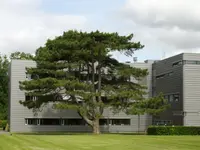
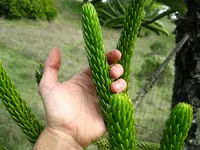
Henkel's yellowwood, Podocarpus henkelii, is an evergreen coniferous tree valued for its neat, upright form and dense, layered foliage. It often develops a strong central leader and a narrow, columnar crown.

The leaves are long, narrow, and leathery, giving a fine-textured, almost tropical look despite the plant’s good cold tolerance in mild climates. It is native to the mist-belt forests of South Africa, where it grows on mountain slopes and sheltered valleys.

Growth is moderate and generally tidy, which makes it suitable for larger gardens, screens, or formal settings. Understanding how to care for Henkel's Yellowwood is easier once its preference for bright light, well-drained soil, and steady moisture is known.

Main Plant Requirements

Care Difficulty

Moderate Care

Light Preference

Full Sun

Water Requirements

Moderate Water

Temperature Preference

Warm Climate

Hardiness Zone

9–11

Soil Texture

Sandy, Loamy, Organic-rich

Soil pH

Acidic (5.5–6.5), Slightly acidic (6.5–7.0)

Soil Drainage

Well-drained

Fertilization

Minimal (feed rarely)

Get Personalized Care Plan

Scan your plant to receive care tips personalized for your specific plant

Available on iOS and Android

How to Care for the Henkel's Yellowwood

This slow-growing conifer prefers bright outdoor conditions with protection from harsh extremes.

  • Provide 4–6 hours of direct morning sun with light afternoon shade; in hot climates, filtered light after 12–2 p.m. prevents needle scorch on Henkel's Yellowwood.
  • Tolerates partial shade, but very dense shade leads to sparse, elongated growth and reduced foliage density over time.
  • Newly planted trees benefit from a bit more shade in their first summer, then can gradually adapt to increased sun exposure as roots establish.

This species prefers evenly moist but not saturated soil once established in the landscape.

  • Before watering Podocarpus henkelii, let the top 3–5 cm of soil dry, then water deeply so moisture reaches the root zone, especially during the first 1–2 growing seasons.
  • In summer drought, watch for dull, slightly curling needles as a sign to water; yellowing needles and persistently wet soil often indicate overwatering and poor drainage.
  • Plant in well-drained soil; on heavy clay, use raised beds or amend soil so excess water clears within 24 hours after rain or irrigation.

This tree handles a fairly wide temperature range but grows best in mild, frost-limited climates.

  • Optimal growth occurs around 60–80°F (16–27°C); growth slows below 50°F (10°C) but mature trees can tolerate short dips to about 20–25°F (-6 to -4°C).
  • Young plants are more cold-sensitive and benefit from protection during frosts, such as mulched roots and shelter from cold, drying winds.
  • In hot regions, sustained temperatures above 95°F (35°C) increase stress; ensure soil does not dry out completely and avoid heat-reflecting walls or paving near the tree.

This species handles a fairly wide humidity range but benefits from moderately moist air when grown indoors.

  • Aim for 40–60% humidity; typical indoor levels are usually adequate for Henkel's Yellowwood if temperature is stable.
  • It tolerates drier air, but prolonged exposure below 30% can cause browning tips and increased needle drop.
  • Increase humidity with a pebble tray or grouping plants, rather than frequent misting, to limit fungal issues.

Podocarpus henkelii prefers a freely draining, slightly acidic to neutral soil that stays evenly moist but never waterlogged.

  • Use a loamy, well-structured mix such as 50% pine bark fines, 30% peat or coco coir, and 20% coarse sand or perlite.
  • Ensure fast drainage; water should pass through within seconds, leaving the mix damp but not soggy.
  • Aim for pH 5.5–7.0; add a small amount of composted bark or leaf mould to support root health without making the mix heavy.
  • Avoid heavy clay, compacted ground, or mixes with high fine-silt content, which restrict aeration and promote root rot.

This conifer can be grown successfully in containers when root space, drainage, and stability are managed carefully.

  • Choose a deep, heavy pot to anchor the tall, wind-sensitive canopy and reduce tipping in exposed positions.
  • Select a container material with moderate porosity, such as thick-walled terracotta, to reduce waterlogging while still slowing surface drying.
  • Elevate the pot slightly on feet or blocks so drainage holes stay clear and excess water exits quickly after rain or irrigation.

This slow-growing conifer benefits from light, targeted feeding rather than heavy fertilization.

  • Use a balanced slow-release granular fertilizer (around 10-10-10) or well-rotted compost in spring for Henkel's Yellowwood.
  • Feed once in early spring and, in poor soils, again in mid-summer during active growth.
  • Apply at half the label rate for young or container plants to avoid salt stress in the roots.
  • Stop feeding in late summer and avoid fertilizing in fall and winter to prevent tender, frost-prone growth.

Pruning Podocarpus henkelii is mainly done to maintain structure, remove defects, and manage size.

  • Prune in late winter or very early spring before strong new growth begins.
  • Remove dead, diseased, rubbing, or storm-damaged branches back to healthy wood with clean, sharp bypass pruners or loppers.
  • Thin crowded interior shoots rather than shearing the outer surface to keep a natural, layered form and good airflow.
  • Use selective heading cuts to shorten overly long branches, guiding growth and maintaining a balanced, upright crown.

This species is most often grown in the ground, but young or container plants may need occasional transplanting.

  • Look for roots circling the pot, emerging from drainage holes, or noticeably slowed top growth as signals to repot or transplant.
  • Plan moves for late winter to early spring, before vigorous new growth, and expect a 2–4 year interval for container-grown trees.
  • Shift into a container 1–2 in wider with a free-draining mix, keeping the root flare at soil level and avoiding deeper planting.
  • Water thoroughly after transplanting, shade from intense sun for 1–2 weeks, and keep soil evenly moist to reduce root stress and aid establishment.

Podocarpus henkelii is most often propagated from semi-hardwood cuttings, with seeds used less frequently.

  • Take semi-hardwood cuttings in late summer, 7–10 cm long, from healthy, non-flowering shoots.
  • Strip lower foliage, dip the cut base in rooting hormone, and place in a sterile, sharply draining mix such as sand and perlite.
  • Maintain bottom heat around 70–75°F and high humidity with bright, indirect light to support slow but steady rooting.
  • Sow fresh seeds in spring in a free-draining medium, keep lightly moist, and expect germination to be gradual over several months.

Mature plants are fairly cold hardy but young Podocarpus henkelii benefit from simple winter protection in colder regions.

  • Tolerates light frosts, but prolonged freezes below about 20°F can damage foliage and young shoots.
  • Apply a 5–8 cm layer of organic mulch around the root zone in late fall, keeping it clear of the trunk.
  • For young trees, wrap the lower trunk with breathable tree wrap or burlap in areas with harsh winter wind.
  • Move container plants into a bright, cool, frost-free spot and water sparingly, allowing the top layer of soil to dry slightly between waterings.

Care Tips

Wind-hardening young trees

Stake only very young or top-heavy plants and loosen ties slightly each season so the trunk can flex in moderate wind, which encourages a thicker, more stable stem structure over time.

Deep structural pruning

In late winter, selectively remove or shorten a few competing leaders and crossing branches to develop one strong central leader and well-spaced scaffold branches, improving long-term stability and canopy form.

Mulch root zone

Maintain a 5–8 cm layer of coarse organic mulch over the root zone, keeping it 5–8 cm away from the trunk, to moderate soil temperature, reduce surface root stress, and limit weed competition.

Monitor root flare

Expose and keep visible the root flare at the base of the trunk by gently brushing away excess soil or mulch, which helps prevent bark rot and improves oxygen access to upper roots.

Drought-readiness training

For established trees, gradually extend the interval between deep waterings during cooler months to encourage deeper root growth, which increases resilience to dry and windy conditions when growing Henkel's Yellowwood.

Common Pests and Diseases

Scale insects

This pest attaches to stems and leaves, sucking sap and causing yellowing, leaf drop, and general decline, especially on stressed trees and hedges.

Solution

Prune and dispose of heavily infested twigs, then wash accessible foliage and stems with a strong but gentle stream of water and a mild insecticidal soap. For persistent scale on larger trees, apply a horticultural oil spray during the crawler stage and improve plant vigor with proper watering and mulch to reduce future outbreaks when caring for Henkel's Yellowwood.

Aphids

These insects cluster on new shoots and the undersides of leaves, feeding on sap and excreting sticky honeydew that can lead to sooty mold growth.

Solution

Check new growth frequently and dislodge colonies with a firm water spray, repeating as needed. If populations remain high, use insecticidal soap or a light horticultural oil, applied thoroughly to young shoots and leaf undersides, and encourage natural predators by avoiding broad-spectrum chemicals.

Spider mites

This pest thrives in hot, dry conditions, causing fine stippling, dull foliage, and fine webbing between leaves and along branchlets.

Solution

Increase humidity around container or hedge plantings, and rinse foliage thoroughly, including undersides, every few days to knock down populations. For ongoing issues, use horticultural oil or miticidal soap labeled for mites, applied in several treatments 5–7 days apart, and avoid drought stress that favors mite buildup.

Sooty mold

This disease appears as black, soot-like coating on leaves and stems that grows on the honeydew excreted by sap-sucking insects such as scale and aphids.

Solution

Control the underlying insect pests first, then gently wash affected foliage with water and a mild soap solution to remove the mold. Improve light penetration and airflow by thinning dense interior growth so new, clean foliage can develop and stay dry faster after rain or irrigation.

Needle blight

This disease causes browning and shedding of older leaves (needles), often starting on shaded inner branches and lower parts of the canopy during prolonged wet or humid periods.

Solution

Remove and discard affected fallen leaves and any heavily blighted interior twigs, and avoid overhead watering that keeps foliage wet for long periods. Improve air circulation by careful thinning and, in severe or repeated cases, use a suitable fungicide labeled for conifer needle blights, applied according to local guidelines and product directions.

Interesting Facts

Eastern Cape specialist

This species is naturally restricted to high-rainfall, mist-belt forests of South Africa’s Eastern Cape and KwaZulu-Natal, where it often grows on steep, well-drained slopes and rocky ridges.

Distinctive drooping foliage

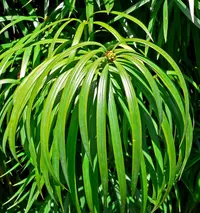
It forms long, narrow, sickle-shaped leaves that hang in loose, pendulous sprays, giving mature trees a strongly weeping, layered crown unlike the stiffer, more upright foliage of many other African yellowwoods.

Dioecious cone production

Individual trees are either male or female, with males producing pollen cones and females bearing fleshy, berry-like seed structures that attract birds, which then disperse the seeds.

Botan icon

Did you know?

In its native South African forests, this species can eventually reach well over 20 m in height and develop a straight, columnar trunk, which has led to its use as a high-quality timber tree alongside other indigenous yellowwoods.

FAQs about Henkel's Yellowwood

Growth is moderately fast for a conifer. In good conditions outdoors, it can add around 20–40 cm per year, slowing as it matures. Container plants usually grow more slowly due to root restriction and limited resources.

Grow Healthy Plants with Botan Care

Keep your plants happy and healthy with plant identification, disease detection, and easy care guidance.

Botan plant care app — identify plants on mobile

Explore More Plants