Red silky oak Care (Alloxylon flammeum)

Also known as: Queensland tree waratah
Red silky oak

About Red silky oak

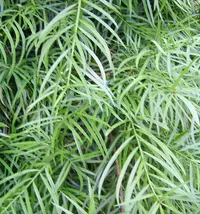
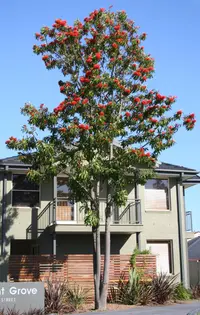
Red silky oak (Alloxylon flammeum) is an evergreen tree from the rainforests of northeastern Australia. It is grown mainly for its clusters of bright red, tubular flowers. The foliage is usually dark green and leathery, with a neat, upright growth habit that can become a small to medium landscape tree in suitable climates.

In cultivation, it is valued as an ornamental tree in mild, frost-free areas and is sometimes tried in large containers when young. It prefers well-drained, low-phosphorus soils and benefits from consistent moisture without waterlogging. Understanding how to care for Red silky oak starts with providing strong light, good drainage, and protection from hard frost.

Main Plant Requirements

Care Difficulty

Moderate Care

Light Preference

Full Sun

Water Requirements

Moderate Water

Temperature Preference

Tropical / Frost Sensitive

Hardiness Zone

10–11

Soil Texture

Sandy, Loamy, Organic-rich

Soil pH

Strongly acidic (4.5–5.5), Acidic (5.5–6.5)

Soil Drainage

Well-drained

Fertilization

Minimal (feed rarely)

Get Personalized Care Plan

Scan your plant to receive care tips personalized for your specific plant

Available on iOS and Android

How to Care for the Red silky oak

Alloxylon flammeum prefers bright, direct to lightly filtered sun in mild climates.

  • Provide 6–8 hours of sun daily, ideally full morning sun with light afternoon shade, especially in hotter inland areas.
  • Young trees benefit from 30–50% filtered shade cloth for the first 1–2 years to reduce leaf scorch and transplant stress in Red silky oak.
  • In summer, watch for leaf bleaching or crisp edges from harsh afternoon sun; in too much shade, expect sparse flowering and elongated, weak shoots.

This species prefers steady moisture during establishment but dislikes waterlogged soil.

  • Allow the top 3–5 cm of soil to dry before deep watering; use soaking irrigation that reaches the root zone rather than frequent light sprinkling.
  • In the first 1–2 years, check soil weekly in warm weather and reduce watering in cool or rainy periods, especially on heavier clay soils.
  • Ensure free-draining soil or raised beds to prevent standing water; yellowing soft leaves indicate overwatering, while curled, dry leaf tips suggest underwatering.

This tree thrives in mild, frost-free climates with warm, stable temperatures.

  • Ideal growth occurs around 65–85°F (18–29°C), with good performance in coastal and subtropical gardens that avoid extreme temperature swings.
  • It tolerates short heat spikes to about 95°F (35°C) if soil moisture is adequate and roots are mulched to limit evaporation and root stress.
  • Avoid frost, as damage often appears around 30°F (-1°C) and serious injury or death may occur below 28°F (-2°C), especially on young or exposed plants.

This species handles a range of humidity but grows best with moderately moist air.

  • Aim for 40–60% humidity; normal indoor levels usually suffice for Red silky oak.
  • Leaves curling at edges or browning between veins can indicate humidity stress combined with underwatering or heat.
  • Increase humidity by grouping plants, placing the pot on a pebble tray with water below the base, or using a small humidifier in very dry rooms.

Soil for this species should be free-draining, slightly acidic, and well aerated.

  • Use a sandy or loamy mix with 30–40% coarse material such as pine bark chips and perlite for structure and drainage.
  • Target pH 5.5–6.5; avoid strongly alkaline mixes or heavy lime additions that can lock up nutrients.
  • Incorporate modest amounts of well-rotted compost to add organic matter without making the mix dense or waterlogged.
  • Avoid compacted clay, peat-heavy, or water-retentive mixes that stay wet for more than 2–3 days after watering.

This species can be grown in containers, especially while young or in mild climates.

  • Choose a deep, heavy pot to anchor the developing woody root system and reduce tipping in wind or on balconies.
  • Select slightly porous materials such as unglazed clay if extra evaporation is needed in rainy or humid regions.
  • Use a high-porosity mix and raise the container on pot feet so drainage holes never sit directly in collected water.

Alloxylon flammeum grows best in lean, well-drained soil and usually needs only modest feeding in cultivation.

  • Apply a light dressing of compost or well-rotted organic matter around the root zone once in spring for slow, steady nutrients.
  • In containers, use a low-phosphorus, balanced slow-release fertilizer at half strength at the start of the growing season.
  • For additional feeding, use a dilute balanced liquid NPK at 1/4–1/2 strength every 6–8 weeks in active growth.
  • Stop feeding the Red silky oak in late summer to early fall so new growth hardens before cooler weather.

Alloxylon flammeum benefits from thoughtful, light pruning to maintain structure and support flowering.

  • Carry out main pruning in late winter or very early spring, before strong new growth begins.
  • Remove dead, damaged, crossing, or congested branches with clean, sharp bypass pruners or loppers.
  • Shorten or thin selected shoots to shape the canopy and improve light penetration, which can support better flowering.
  • Avoid heavy cuts into old wood; instead, prune gradually over several seasons to reduce height or spread.

This species is usually grown as a landscape tree, so focus on correct transplanting rather than frequent repotting.

  • Transplant young Alloxylon flammeum in late winter to early spring, once frost risk has passed and soil is workable.
  • Look for roots circling the container, slow growth, or rapid drying of the potting mix as signs it has outgrown its pot.
  • Handle the root ball gently, loosening only the outer circling roots, and plant at the same depth in a wide, well-drained hole.
  • Water thoroughly after planting, then keep soil evenly moist but not waterlogged for several weeks to reduce transplant shock.

Propagation of Alloxylon flammeum is possible but slow and usually handled by experienced growers or nurseries.

  • Sow fresh seed in late winter to spring in a free-draining, slightly acidic mix, just covered and kept at 68–77°F.
  • Maintain bright, indirect light and consistently lightly moist conditions; germination may be uneven and extended over weeks.
  • Semi-hardwood cuttings taken in late summer can root under high humidity, bottom heat, and with a suitable rooting hormone.
  • Provide gentle air movement and avoid waterlogging to limit fungal problems during rooting or early seedling growth.

In mild, frost-free climates this tree needs minimal winter care, but it is sensitive to hard freezes.

  • Avoid planting Alloxylon flammeum in areas that regularly drop below about 28°F, as young growth is easily damaged.
  • Apply a 5–8 cm layer of organic mulch around the root zone in late fall, keeping it clear of the trunk base.
  • For container plants in cooler regions, move pots into a bright, frost-free space before the first hard frost.

Care Tips

Root-zone protection

Apply a wide, light mulch layer with coarse bark or wood chips, keeping it 5–10 cm away from the trunk flare, to protect the fine, surface-feeding roots from heat and mechanical damage while maintaining good air exchange.

Low-phosphorus companions

Plant only low-phosphorus, non-invasive shrubs and groundcovers nearby and avoid lawn fertilizers in the root zone, since this species is sensitive to excess phosphorus that can cause chronic decline over several seasons.

Wind-smart staking

On young trees in windy sites, use 2–3 flexible stakes with soft, broad ties set low on the trunk so the tree can still sway, which encourages strong trunk taper and root anchoring rather than a weak, stake-dependent structure.

Flowering age management

Prune only lightly and avoid removing strong vertical shoots on semi-mature trees, since flower production improves as the crown gains height and age, and heavy structural cuts can delay blooming for years when growing Red silky oak.

Drought training cycles

Once established, allow the top soil to dry moderately between deep irrigations during warm months to encourage deeper rooting and greater drought tolerance, rather than frequent shallow watering that keeps roots near the surface.

Common Pests and Diseases

Myrtle rust

This disease causes bright yellow powdery spores on young leaves, shoots, and flower buds, which can distort growth and lead to dieback of new tissue.

Solution

Prune and dispose of affected shoots in sealed bags, avoid overhead watering, and improve airflow around the plant; in high-risk areas, monitor new growth frequently and apply an appropriate myrtle rust fungicide labeled for ornamentals at the first sign of infection, following local regulations and safety directions.

Scale insects

These insects attach to stems and leaf undersides, appearing as small bumps that suck sap and can cause yellowing, leaf drop, and reduced flowering.

Solution

Wipe or gently scrub infested areas with a soft cloth dipped in mild soapy water, then rinse; for heavier infestations, use horticultural oil or insecticidal soap, making sure to coat stems and leaf undersides thoroughly and repeat treatments as needed.

Borers

This pest lives inside stems or branches, creating small entry holes, frass (sawdust-like material), and causing wilting or dieback of affected limbs.

Solution

Prune and destroy affected branches well below visible damage to remove larvae, then support plant health with consistent watering and balanced nutrition; in areas with known borer problems, avoid wounding the trunk and consider using trunk wraps or physical barriers on young trees to reduce attack.

Leaf spot

This disease produces small brown to dark spots on leaves that may merge into larger blotches, sometimes leading to premature leaf drop on stressed plants.

Solution

Remove and discard fallen and badly spotted leaves, water at the base to keep foliage dry, and increase spacing or pruning to improve airflow; in persistent cases, apply a suitable copper or broad-spectrum ornamental fungicide during warm, humid periods according to label directions as part of broader Alloxylon flammeum care.

Interesting Facts

Flame-red bird pollination

The bright red, tubular flowers are adapted for bird pollination, especially by Australian honeyeaters, which access the nectar and transfer pollen between trees.

Ancient Gondwanan lineage

This species belongs to the Proteaceae family and represents a Gondwanan lineage, with close relatives in South America, Africa, and other parts of Australasia, reflecting very ancient biogeographic history.

Endemic rainforest specialist

It occurs naturally only in a small area of north-eastern Queensland, Australia, where it grows in lowland and upland rainforests on well-drained, often volcanic-derived soils.

Botan icon

Did you know?

Alloxylon flammeum is listed as vulnerable in its native range due to habitat loss and fragmentation, and conservation plantings in gardens and arboreta now form an important part of maintaining its genetic diversity.

FAQs about Red silky oak

Lack of flowers usually comes from insufficient light, low nutrients, or the plant being too young. Mature trees bloom more reliably after several years if they experience bright conditions, moderate feeding, and no severe drought stress.

Grow Healthy Plants with Botan Care

Keep your plants happy and healthy with plant identification, disease detection, and easy care guidance.

Botan plant care app — identify plants on mobile

Explore More Plants