Japanese alder Care (Alnus japonica)

Also known as: East Asian Alder
Japanese alder

About Japanese alder

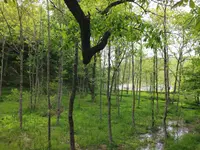
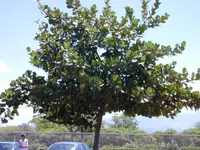
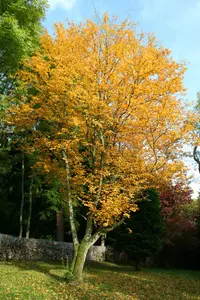
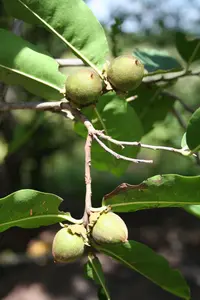
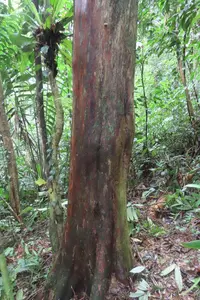
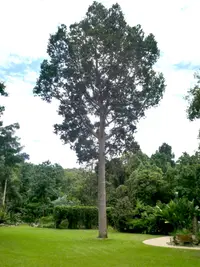
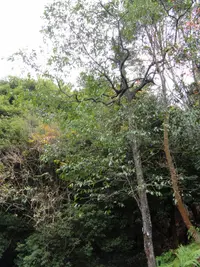
Japanese alder, Alnus japonica, is a fast-growing deciduous tree from East Asia, commonly found along rivers, wetlands, and moist lowland forests. It typically develops a straight trunk, rounded crown, and smooth gray bark that becomes more textured with age.

The tree carries simple, glossy green leaves and dangling catkins that release pollen, followed by small cone-like fruits. Its roots host nitrogen-fixing bacteria, which enrich the soil and support strong, vigorous growth.

Because it tolerates wet, poorly drained ground and urban conditions, it is often used for reclamation, windbreaks, and as a landscape tree in large spaces. Gardeners who learn how to care for Japanese alder usually find it adaptable in cool to mild climates with good light and consistently moist soil.


Main Plant Requirements

Care Difficulty

Easy Care

Light Preference

Full Sun

Water Requirements

Keep Soil Moist

Temperature Preference

Cold Hardy

Hardiness Zone

5–7

Soil Texture

Loamy, Clay, Silty

Soil pH

Acidic (5.5–6.5), Slightly acidic (6.5–7.0)

Soil Drainage

Waterlogged tolerant

Fertilization

Minimal (feed rarely)

Get Personalized Care Plan

Scan your plant to receive care tips personalized for your specific plant

Available on iOS and Android

How to Care for the Japanese alder

This species prefers full sun in cool climates but tolerates light shade in warmer regions.

  • Provide 6–8 hours of direct sun daily; in hot zones, aim for morning sun with light afternoon shade to limit leaf scorch.
  • Plant Japanese alder where nearby trees or buildings do not block light completely, as dense shade reduces growth and weakens branching.
  • In summer, monitor for pale, elongated shoots as a sign of insufficient light; in winter, full exposure helps ripen wood and support bud formation.

This riparian tree thrives in consistently moist soil and does not tolerate prolonged drying.

  • Maintain evenly moist soil, allowing only the top 2–3 cm to dry between natural rain events in lighter soils; heavy clay stays damp longer and needs less supplemental water.
  • Increase watering during hot, windy spells if leaves start to droop or curl, especially in young Alnus japonica plantings with shallow roots.
  • Watch for yellowing leaves and stagnant growth in waterlogged sites as signs of poor drainage, and consider shallow surface channels to move excess water away.

This hardy deciduous tree tolerates cold winters but grows best in cool to mild conditions.

  • Optimal growth occurs around 55–75°F (13–24°C), with strongest shoot extension in cool, moist springs and mild summers.
  • Mature trees tolerate winter lows near -20°F (-29°C), though young plants benefit from protection from drying winter winds their first 1–2 years.
  • In hot regions where summer highs exceed 90°F (32°C), provide ample soil moisture and a mulch layer to reduce heat stress and root-zone temperature swings.

This species tolerates a wide humidity range and usually does not need special humidity management outdoors.

  • Optimal growth occurs around 40–70% humidity, common in many temperate outdoor climates.
  • Mature trees handle short dry-air periods, but young plants may show browning leaf edges in prolonged very dry, windy conditions.
  • Shelter young specimens from hot, drying winds or use a temporary windbreak to reduce humidity stress during establishment.

Alnus japonica prefers moist, deep soils but adapts well if structure and drainage are managed correctly.

  • Use a loamy, organic-rich soil that retains moisture yet does not stay waterlogged, such as native soil improved with compost.
  • Aim for slightly acidic to neutral pH around 5.5–7.0, avoiding strongly alkaline sites that can limit nutrient uptake.
  • On heavy clay, improve aeration and drainage by incorporating coarse sand and fine gravel into the top 20–30 cm.
  • Avoid compacted or poorly drained spots where standing water persists, which can promote root rot despite this species’ moisture tolerance.

This tree is only moderately suitable for long-term container growing and is best kept in large, stable outdoor tubs for a limited period.

  • Choose a very large, deep container to accommodate vigorous root growth and reduce rapid drying between waterings.
  • Use a heavy, stable pot material such as thick ceramic or concrete to prevent the tall, leafy canopy from tipping in wind.
  • Select a mix that stays evenly moist yet drains freely, combining loam-based compost with coarse sand or fine bark for structure.

This nitrogen-fixing tree needs minimal feeding, but light fertilization supports young or container-grown Japanese alder.

  • Use a balanced slow-release fertilizer (for example 10-10-10) or well-rotted compost for young trees in spring.
  • Apply once at leaf-out and, if growth is weak, again mid-summer; skip feeding for established trees in fertile soil.
  • In containers, use a diluted (50% strength) balanced liquid feed every 4–6 weeks during the growing season.
  • Stop feeding in late summer and avoid fertilizer in fall and winter to prevent tender, frost-sensitive growth.

Pruning Alnus japonica is mainly structural and sanitary, focusing on safety and strong framework.

  • Carry out main pruning in late winter to early spring before bud break for clear visibility and low sap flow.
  • Remove dead, diseased, crossing, or storm-damaged branches using clean, sharp bypass pruners or a pruning saw.
  • Thin crowded interior shoots to improve light penetration and airflow while keeping the natural, open form.
  • Limit heavy heading cuts; instead, reduce branch length to a side branch to guide direction and stable structure.

This species is usually grown in the ground, so transplanting young Alnus japonica safely is more important than repotting.

  • Transplant in late fall or very early spring when dormant to reduce water stress and transplant shock.
  • Look for circling roots in nursery containers or stalled growth as a sign the tree should be moved to a larger site.
  • Lift the tree with an intact root ball, keep roots shaded and moist, and plant at the same soil depth as before.
  • Water deeply after planting, mulch 5–8 cm around but not against the trunk, and maintain even moisture during the first 1–2 seasons.

Alnus japonica is most often propagated from seed, with cuttings used less commonly.

  • Collect ripe cones in late fall, dry them, and extract seeds; sow outdoors in late winter or early spring.
  • Use a free-draining, slightly acidic seed mix and keep it evenly moist with bright light and cool conditions.
  • Cold stratify seeds for 4–8 weeks at 35–40°F if germination has been poor without pre-treatment.
  • For cuttings, take semi-ripe shoots in mid-summer, use rooting hormone, and root in a humid, sheltered propagator.

This is a cold-hardy deciduous tree that usually needs little winter care once established in the landscape.

  • In regions colder than its usual range, apply a 5–8 cm mulch layer over the root zone, keeping it away from the trunk.
  • Young or newly planted trees benefit from windbreaks or burlap wraps around stakes to moderate drying winter winds.
  • Container-grown specimens, if used, should be moved to a sheltered, unheated but frost-free or slightly protected area.

Care Tips

Establish nitrogen nodules

When planting, gently loosen and keep some native soil around the roots from the nursery container so the existing nitrogen-fixing nodules and their associated bacteria transfer intact and help the young tree adapt faster to the new site.

Plan for suckers

Inspect the base and root zone 2–3 times per year and cut off root suckers at or just below soil level to prevent unwanted thickets and to concentrate growth into the main trunk structure.

Create wind-firm structure

In the first 3–5 years, selectively prune crowded or steeply upright secondary branches during dormancy to build a balanced, open crown that resists storm damage as the tree matures.

Use moisture basins

Shape a shallow, wide watering basin extending to the drip line in the first years so irrigation and rainfall infiltrate slowly into the root zone rather than running off on sloped or compacted sites when growing Japanese alder.

Monitor for cankers

Check the trunk and main branches at least once a year for sunken, discolored, or cracked areas, then cut out affected twigs or small branches into healthy wood and disinfect tools between cuts to limit the spread of canker diseases.

Common Pests and Diseases

Alder leaf beetle

This pest feeds on leaves, causing shot holes, skeletonizing, and in heavy infestations almost complete defoliation. Symptoms include ragged foliage and clusters of dark beetles or metallic-blue adults on the canopy.

Solution

Hand-pick adults and larvae from small trees and drop them into soapy water, and prune out heavily infested twigs where practical. Encourage natural predators, avoid broad-spectrum insecticides, and if needed use a targeted product containing spinosad or pyrethrins, applied in the evening and directed to foliage according to label instructions.

Alder woolly aphid

These insects form white, cottony colonies on young shoots, the undersides of leaves, and sometimes roots, leading to curled leaves, sticky honeydew, and sooty mold growth. New growth may appear distorted or stunted when populations are high.

Solution

Spray colonies off with a strong stream of water and prune out heavily infested shoots if practical. For persistent outbreaks, use horticultural soap or neem oil, ensuring thorough coverage of leaf undersides, and reduce plant stress with adequate water and mulch to support natural resistance when caring for Japanese alder.

Alder leaf spot

This disease causes small, dark brown to black spots on leaves that may coalesce into larger blotches, sometimes with yellow halos. Severe infections can lead to premature leaf drop late in the season.

Solution

Rake and dispose of fallen leaves to reduce the source of infection, and avoid overhead watering that keeps foliage wet for long periods. Improve air circulation around the tree with thoughtful spacing and selective pruning, and in severe, recurring cases consult a local arborist about appropriate fungicide options.

Alder canker

This disease produces sunken, often elongated lesions on stems or branches, sometimes with cracking bark and dieback beyond the canker. Symptoms include sparse foliage on affected branches and dead twigs above the infected area.

Solution

Prune out infected branches at least 15–20 cm below visible symptoms during dry weather, sterilizing tools between cuts with alcohol or a 10% bleach solution. Improve overall tree vigor with correct watering and mulch, and avoid trunk or root damage that can open entry points for canker-causing fungi.

Defoliating sawflies

These insects defoliate trees by feeding in groups on leaves, leaving only midribs and veins when populations are high. This pest is often seen as green to dark larvae clustered along leaf edges or tips.

Solution

Inspect foliage regularly in late spring and early summer and remove or crush larval clusters by hand on small trees. Encourage birds and beneficial insects, and if defoliation is severe, consider a targeted treatment with a product labeled for sawflies, applied directly to infested foliage according to local guidelines.

Interesting Facts

Nitrogen-fixing pioneer tree

This species forms root nodules with the actinobacterium Frankia, allowing it to fix atmospheric nitrogen and rapidly colonize nutrient-poor, disturbed soils in East Asia.

Floodplain and swamp specialist

Alnus japonica is naturally adapted to wet, periodically flooded habitats such as riverbanks, marsh margins, and lowland swamps, where its root system tolerates waterlogged and oxygen-poor soils.

Early spring pollen source

Its male catkins release wind-dispersed pollen very early in the season, often before leaf-out, providing one of the first substantial pollen pulses in riparian ecosystems.

Botan icon

Did you know?

Wood from Alnus japonica has traditionally been valued in parts of East Asia for uses where dimensional stability is important, such as furniture and small wooden tools, because it seasons relatively evenly and is moderately resistant to warping when properly dried.

FAQs about Japanese alder

This species is generally fast-growing, often adding 30–60 cm of height each year under good conditions. Growth is quickest in moist, fertile soil with full light and slows in compacted, dry, or nutrient-poor sites.

Grow Healthy Plants with Botan Care

Keep your plants happy and healthy with plant identification, disease detection, and easy care guidance.

Botan plant care app — identify plants on mobile

Explore More Plants