Early trunk training
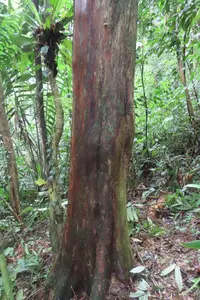
Stake young trees in their first 2–3 years and loosely tie the main stem to a sturdy stake on the windward side to encourage a straight, strong trunk and reduce wind rock that can damage new roots.


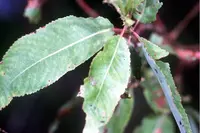
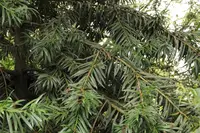
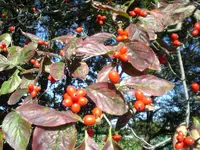
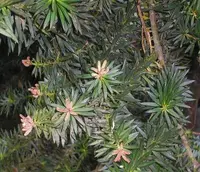
Morris's persimmon (Diospyros morrisiana) is a lesser-known persimmon species in the ebony family, typically grown as a small tree or large shrub. It tends to have a rounded crown with simple, glossy leaves and small, inconspicuous flowers.
This species is thought to originate from East or Southeast Asia, where it grows in warm, temperate to subtropical climates. Its growth habit is generally moderate, which makes it manageable in cultivated landscapes.
Gardeners who want to care for Morris's Persimmon should know it usually prefers well-drained soil, moderate moisture, and sun to light shade. Its overall toughness and adaptability can make it a reasonable choice for growers with some basic woody-plant experience.

Care Difficulty
Moderate Care

Light Preference
Partial Sun

Water Requirements
Moderate Water

Temperature Preference
Warm Climate

Hardiness Zone
Unknown

Soil Texture
Loamy, Sandy, Organic-rich

Soil pH
Acidic (5.5–6.5), Slightly acidic (6.5–7.0)

Soil Drainage
Well-drained

Fertilization
Minimal (feed rarely)
Scan your plant to receive care tips personalized for your specific plant
Available on iOS and Android
This species prefers bright, direct sun for strong growth and fruiting.
This tree prefers evenly moist, well-drained soil rather than frequent shallow watering.
This species performs best in warm, frost-free to only lightly frosted climates.
This species handles typical indoor humidity but grows best with moderate moisture in the air.
This species prefers slightly acidic, loose, and well-drained soil that still holds some moisture.
This species can be grown in containers if the pot provides enough depth, stability, and drainage for a woody root system.
This species grows reasonably well in average soil but benefits from light, balanced feeding in cultivation.
Pruning Diospyros morrisiana is mainly used to maintain a healthy structure and remove problem wood.
This tree is usually grown in the ground, so focus on careful transplanting rather than frequent repotting.
Propagation of Diospyros morrisiana is possible but tends to be slower and is usually done by seed or semi-hardwood cuttings.
This species has moderate cold tolerance but benefits from basic winter protection in cooler regions.

Plant Health Check
Not sure what's wrong with your plant? Check your plant's health inside the app.
This species is an evergreen tree in the ebony family (Ebenaceae), closely related to the cultivated persimmons but remaining foliage-bearing year-round in its native warm climate rather than shedding leaves seasonally.
It occurs naturally in parts of tropical and subtropical Asia, where it typically grows in lowland forest habitats alongside other broadleaf evergreen trees.
Like other Diospyros species, it produces dense, hard wood valued locally for small construction uses, while its fruit and foliage provide food and shelter for a range of forest animals and insects.
This species performs best outdoors in mild, frost-free climates, where it receives strong light, air movement, and space for roots. Morris's Persimmon indoor care is possible only short term, in bright, cool, well-ventilated conditions.
Keep your plants happy and healthy with plant identification, disease detection, and easy care guidance.