Podocarpus oleifolius Care

Podocarpus oleifolius

About Podocarpus oleifolius

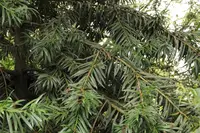
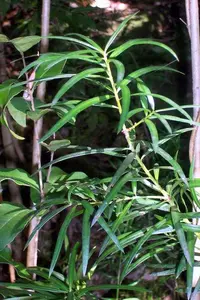
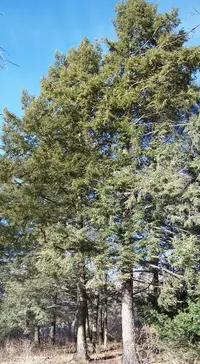
Podocarpus oleifolius is an evergreen conifer from high-altitude cloud forests in Central and South America. It forms a dense shrub or small tree with narrow, leathery leaves and a tidy, upright habit. Growth is typically slow to moderate, which makes it easier to manage in gardens or collections. It prefers cool to mild conditions, consistent moisture, and well-drained, slightly acidic soil. Light shade to bright, indirect light suits it best, especially in warmer regions. With stable conditions and minimal pruning needs, many growers find it straightforward to care for Podocarpus oleifolius.


Main Plant Requirements

Care Difficulty

Moderate Care

Light Preference

Partial Shade

Water Requirements

Moderate Water

Temperature Preference

Warm Climate

Hardiness Zone

9–11

Soil Texture

Sandy, Loamy, Organic-rich

Soil pH

Acidic (5.5–6.5), Slightly acidic (6.5–7.0)

Soil Drainage

Well-drained

Fertilization

Minimal (feed rarely)

Get Personalized Care Plan

Scan your plant to receive care tips personalized for your specific plant

Available on iOS and Android

How to Care for the Podocarpus oleifolius

This species prefers bright locations with moderate, not scorching, sun exposure.

  • Provide 4–6 hours of direct morning sun with light or dappled shade from early afternoon, especially in hot climates.
  • Tolerates partial shade, but growth becomes looser and sparser if daily sun drops below about 3–4 hours.
  • In summer, watch for leaf yellowing or browning on the hottest, most exposed side, and in winter ensure it still receives bright light as the sun angle changes.

Watering should keep the soil slightly moist but never saturated for long periods.

  • Allow the top 3–5 cm of soil to dry before watering again, then soak the root zone thoroughly and let excess drain away.
  • In cooler months, when growth slows, expect to water less often as the soil stays moist longer; increase frequency during hot, windy periods.
  • Watch for pale, soft foliage and persistent wet soil as signs of overwatering, and for dull, folding needles and very dry soil as signs of underwatering.

This conifer prefers mild, stable temperatures with protection from hard frost and extreme heat.

  • Ideal growth occurs around 60–77°F (16–25°C), with steady conditions encouraging dense foliage and slower, even extension growth.
  • Mature plants can tolerate brief drops to about 20–25°F (-6 to -4°C), but repeated or lower freezes can damage young shoots and buds.
  • In hot regions, it handles summer highs near 90°F (32°C) if roots are mulched, soil does not dry out completely, and foliage is shielded from reflected heat.

This species handles a wide humidity range but benefits from moderately humid air.

  • Aim for 40–60% humidity, with consistent levels more important than brief fluctuations.
  • Tolerates typical heated or air-conditioned room air, but very dry air may cause browning leaf tips and increased needle drop.
  • Increase humidity locally with grouped plants or a wide pebble tray under the pot rather than frequent misting.

Podocarpus oleifolius prefers a slightly acidic, free-draining but moisture-retentive soil mix.

  • Use a loamy mix with 40–50% organic matter such as composted bark plus 20–30% perlite or coarse sand for structure and drainage.
  • Target pH around 5.5–6.5; avoid alkaline mixes that can lead to nutrient lockout and pale, slow growth.
  • Ensure the mix drains within a few minutes after watering but still feels lightly moist, not soggy, an hour later.
  • Avoid heavy clay, peat-only, or compacted mixes; incorporate fine bark and perlite to improve aeration and root oxygen availability.

This species is well suited to long-term container growing when given a stable, well-drained setup.

  • Choose a deep, heavy pot to anchor the upright, woody growth and reduce the risk of tipping in strong winds.
  • Select a container material that breathes slightly, such as unglazed clay, to offset the plant’s dislike of prolonged root wetness.
  • Use a pot just 3–5 cm wider than the root system so the mix dries evenly and does not stay wet around unused soil.

This slow-growing conifer needs modest feeding, especially when grown in containers or poor soil.

  • Use a balanced slow-release fertilizer (such as 10-10-10) or well-rotted compost in early spring for Podocarpus oleifolius.

  • Feed container plants every 8–10 weeks during the growing season, following label rates at 50–75% strength.
  • Avoid high-nitrogen lawn fertilizers, which encourage overly soft growth and increase pest sensitivity.
  • Stop feeding 6–8 weeks before expected frost to allow wood to harden for winter.

Pruning helps maintain structure and density without stressing this relatively slow-growing species.

  • Carry out main pruning in late winter or very early spring before active growth starts.
  • Remove dead, damaged, crossing, or inward-growing branches to improve airflow and light penetration.
  • Shorten overly long shoots to shape hedges or specimens, cutting just above a healthy side branch or bud.
  • Use clean, sharp bypass pruners or loppers, disinfecting blades between plants to limit disease spread.

This species is often grown in the ground but can adapt to containers when transplanted thoughtfully.

  • Check for roots circling the pot drainage holes, compacted soil, or slowed growth as signs a container plant needs a larger pot.
  • Plan repotting or landscape transplanting for early spring or early fall when temperatures are mild and soil is workable.
  • Repot every 3–4 years into a pot 1–2 in wider, using a free-draining mix and positioning the root flare at soil level.
  • Gently loosen circling roots, water thoroughly after planting, and shade from strong sun for 1–2 weeks to limit transplant shock.

Podocarpus oleifolius is usually propagated from semi-hardwood cuttings rather than seed for more predictable results.

  • Take semi-hardwood cuttings in late summer, 8–12 cm long, from healthy, non-flowering shoots.
  • Remove lower foliage, dip bases in rooting hormone, and insert into a coarse, free-draining mix such as sand and perlite.
  • Maintain bright, indirect light, high humidity, and bottom warmth around 70–75°F to encourage rooting.
  • Sow seeds fresh in a well-drained medium, keeping them just moist; germination can be slow and irregular.

This conifer is moderately cold hardy but young or container-grown plants benefit from simple winter precautions.

  • In regions with freezing winters, apply a 5–8 cm mulch layer around the root zone, keeping it away from the trunk.
  • Use burlap or a breathable frost cloth around exposed young plants during severe cold snaps or drying winds.
  • Move containers to a sheltered, unheated area that stays above about 25°F, and reduce watering while keeping the root ball slightly moist.

Care Tips

Wind-hardening young plants

Plant young trees in a spot with moderate, not extreme, air movement or expose container plants gradually to breezier conditions over several weeks so the trunks and roots strengthen before facing full wind in exposed sites.

Low-branch management

Remove or shorten only a few of the lowest branches each year to slowly raise the canopy, preventing sunscald on previously shaded bark and keeping the plant structurally balanced for hedging or small-tree forms.

Hedge density shaping

For dense screens, lightly shear branch tips 2–3 times during the growing season while also selectively thinning some inner shoots so light reaches inside and foliage does not become bare close to the stem.

Root-zone mulching

Maintain a 5–8 cm layer of arborist wood chips or bark over the root zone, keeping it 5–8 cm away from the trunk, to stabilize soil moisture, reduce weed competition, and encourage fine feeder roots near the surface.

Snow and ice protection

In colder regions, gently tie upright branches with soft garden ties before heavy snow or ice events so long, flexible shoots do not splay or crack under weight, a useful step when growing Podocarpus oleifolius as a tall, narrow screen.

Common Pests and Diseases

Scale insects

This pest feeds on stems and leaves, causing yellowing, leaf drop, and sticky honeydew that can attract sooty mold. Symptoms include small, dome-shaped brown or gray bumps tightly attached to shoots and foliage.

Solution

Prune heavily infested twigs and dispose of them, then wipe remaining scales off with a cloth dipped in insecticidal soap or a light horticultural oil, repeating every 7–10 days until new growth is clean. Reduce plant stress by avoiding overwatering and by maintaining good light and airflow, which supports overall Podocarpus oleifolius plant care.

Mealybugs

These insects hide in leaf axils and along stems, sucking sap and causing stunted growth, deformed new shoots, and sticky honeydew. This pest appears as white, cottony clusters, often where branches join or on the undersides of leaves.

Solution

Remove visible colonies with a cotton swab dipped in 70% isopropyl alcohol and rinse foliage with a gentle shower of water to dislodge remaining insects. For persistent infestations, apply insecticidal soap or neem oil thoroughly to all plant surfaces, repeating weekly until no new mealybugs appear.

Podocarpus needle blight

This disease causes browning and dieback of individual needles or small clusters, often starting on shaded inner branches. Symptoms include tan to dark brown lesions on needles that may progress along the shoot, leading to thinning foliage.

Solution

Cut out affected shoots several inches below visible symptoms and discard them, then improve light penetration and air circulation by selective thinning of dense branches. Avoid wetting the foliage during irrigation and apply a copper-based fungicide or other labeled ornamental conifer fungicide if new infections continue to appear.

Sooty mold

This disease develops as a black, soot-like coating on leaves and stems, growing on the sugary honeydew excreted by sap-feeding insects such as scale or mealybugs. Symptoms include dull, blackened foliage that may reduce photosynthesis and overall vigor.

Solution

First control the underlying honeydew-producing insects, then gently wash affected foliage with lukewarm water and a mild soap solution to remove the fungal coating. Improve airflow and light exposure to help new clean growth develop and to limit future mold buildup.

Interesting Facts

High-elevation conifer

This species often grows in cool, moist montane forests from roughly 1,000 m upward in Central and South America, where it can form part of the upper canopy on cloud forest ridges and slopes.

Distinctive olive-like leaves

Its stiff, narrow leaves resemble those of an olive tree more than a typical needle-leaved conifer, which is why the species epithet oleifolius literally means olive-leaved.

Fleshy seed cones

Instead of woody cones, it produces a single hard seed on a fleshy, usually reddish receptacle, an adaptation that attracts birds which then disperse the seeds.

Botan icon

Did you know?

Podocarpus oleifolius is one of the few New World podocarps, with a natural range stretching disjunctly from Mexico and Central America down into parts of the northern Andes, illustrating an ancient Gondwanan lineage that persisted on the American continent.

FAQs about Podocarpus oleifolius

This species has a slow to moderate growth rate, often adding about 15–30 cm per year. Growth is faster in mild climates with consistent moisture, fertile well‑drained soil, and protection from extreme heat, drought, or wind.

Grow Healthy Plants with Botan Care

Keep your plants happy and healthy with plant identification, disease detection, and easy care guidance.

Botan plant care app — identify plants on mobile

Explore More Plants