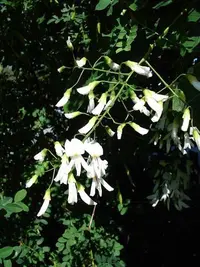
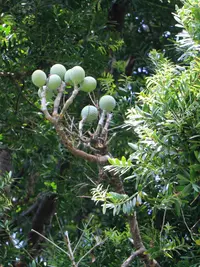
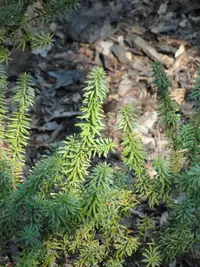
seaside alder Care (Alnus maritima)

Also known as: Brook alder
seaside alder

About seaside alder

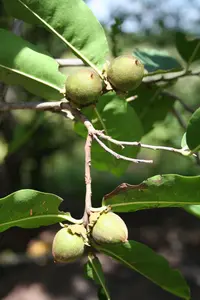
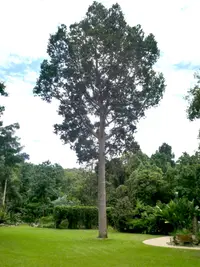
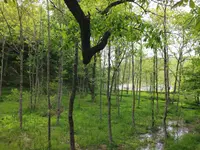
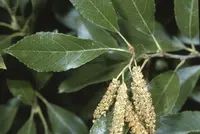
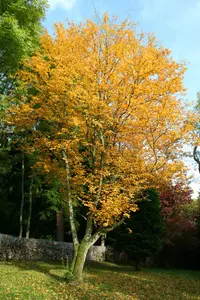
Seaside alder (Alnus maritima) is a deciduous shrub or small tree from wet coastal and riverside habitats in the eastern and south-central United States. It typically forms dense thickets with multiple stems, gray-brown bark, and narrow, glossy green leaves that often persist late into fall.

The plant produces small catkins and woody cones that add interest through the colder months and support wildlife. It prefers full sun to light shade, consistently moist soil, and does best in spots that do not dry out, which shapes how to care for seaside alder in gardens.

Alnus maritima is generally hardy and tolerant of cold and wind, but it needs reliable moisture and space to spread, so it suits larger, damp sites better than small containers.

Main Plant Requirements

Care Difficulty

Moderate Care

Light Preference

Full Sun

Water Requirements

Aquatic

Temperature Preference

Cold Hardy

Hardiness Zone

4–8

Soil Texture

Sandy, Loamy, Silty

Soil pH

Acidic (5.5–6.5), Slightly acidic (6.5–7.0)

Soil Drainage

Waterlogged tolerant

Fertilization

Minimal (feed rarely)

Get Personalized Care Plan

Scan your plant to receive care tips personalized for your specific plant

Available on iOS and Android

How to Care for the seaside alder

This moisture-loving shrub grows best in bright, open conditions that mimic stream or lakeside edges.

  • Provide full sun for 6–8 hours/day for strongest growth; 4–6 hours plus light afternoon shade is acceptable in hotter regions.
  • Plant seaside alder where it receives morning sun and, in hotter climates, some protection from intense sun after 2–3 p.m. to reduce leaf scorch risk.
  • In partial shade (less than 4 hours direct sun), expect slower growth and a more open habit, especially in dense summer canopy conditions.

This species is adapted to consistently moist to wet soils and tolerates brief flooding better than dryness.

  • Aim for soil that stays moist at 5–10 cm depth; do not allow the root zone to dry out completely, especially in the first 2–3 years after planting.
  • Increase watering during hot, windy periods if the ground surface lightens and cracks, and reduce slightly in cool, rainy seasons while keeping the soil damp.
  • Watch for stress signals: underwatering causes dull, curling, or browning leaf edges, while overwatering in poorly drained soils leads to yellowing leaves and soft, rotting roots.

This hardy shrub is adapted to temperate climates with cold winters and warm summers.

  • Active growth is strongest at 60–80°F (16–27°C), with good tolerance of typical summer warmth and cool spring conditions.
  • Established plants tolerate winter lows near -20°F (-29°C) in suitable hardiness zones, though young plants benefit from shelter from harsh, drying winter winds.
  • Short heat waves up to about 90°F (32°C) are tolerated if soil stays moist; extended extreme heat or sudden hard frosts after leaf-out can damage new growth.

This riparian species tolerates a wide humidity range and usually does not need special humidity management outdoors.

This wetland shrub or small tree prefers consistently moist, oxygenated soil with ample organic matter.

  • Use deep, loamy soil enriched with compost or leaf mold to mimic naturally alluvial, nutrient-rich riverbank conditions.
  • Aim for slightly acidic to neutral pH around 6.0–7.0, avoiding strongly alkaline sites that can limit nutrient uptake in Alnus maritima.
  • Provide slow but steady drainage, such as a loam with some sand, to prevent stagnant, foul-smelling water around roots while keeping soil constantly damp.
  • In drier landscapes, create a shallow basin or swale that collects runoff so roots stay moist without relying only on frequent surface watering.

This species is generally unsuited to long-term container growing due to its size and strong root system.

This nitrogen-fixing native tree usually needs minimal feeding in typical garden soil.

  • Apply a light layer of compost or well-rotted leaf mold around the root zone once each spring.
  • If growth is poor on very sandy or depleted soils, use a balanced slow-release fertilizer (around 10-10-10) at half label rate.
  • Avoid high-nitrogen lawn fertilizers near seaside alder, which can cause overly lush, weak growth.
  • Do not fertilize during winter dormancy; stop feeding by late summer to allow wood to harden.

Pruning Alnus maritima is mainly structural and corrective rather than intensive.

  • Carry out pruning in late winter to early spring before bud break, when branch structure is visible.
  • Remove dead, diseased, crossing, or storm-damaged branches first using clean, sharp bypass pruners or a pruning saw.
  • Thin congested interior branches to improve light and air flow, encouraging a balanced crown and strong framework.
  • Limit heading cuts; use reduction and thinning cuts to maintain natural form and stable multi-stem structure.

This species is usually grown in the ground, so care focuses on correct transplanting rather than long-term container culture.

  • Transplant young trees in early spring or early fall, when temperatures are mild and soil moisture is steady.
  • Move nursery stock once roots lightly fill the pot or when circling roots appear at drainage holes.
  • Dig a wide planting hole, loosen outer roots carefully, and set the root flare at or slightly above soil level.
  • Water deeply after planting, then keep soil evenly moist and mulch 5–8 cm to reduce root stress during establishment.

Alnus maritima is typically propagated from seed, with some use of hardwood cuttings in specialized settings.

  • Collect ripe cones in late fall, dry, then extract and store seed cool and dry until sowing.
  • Sow seed in late winter to early spring in a moist, well-drained, sandy mix; light cold stratification can improve germination.
  • Keep seed trays at 60–70°F with consistent moisture and good air flow to reduce damping-off disease.
  • For hardwood cuttings, take dormant pencil-thick shoots, use a rooting hormone, and root in a cold frame with moist, airy media.

This deciduous tree is cold hardy in much of its range and usually needs little special winter care once established.

  • Mulch the root zone with 5–8 cm of shredded bark or leaves in late fall, keeping mulch off the trunk.
  • For young or newly planted trees in colder zones, add a wider mulch ring to moderate soil temperature fluctuations.
  • Container-grown plants, if any, should be moved to a sheltered, unheated but frost-moderated area to protect roots.

Care Tips

Encourage Multi-Stems

When young, selectively head back the central leader by 10–20 cm in late winter to encourage multiple strong stems that better resist wind and create a fuller screening form.

Manage Suckering Spread

Install a root barrier 45–60 cm deep along property lines or pathways and remove basal suckers annually if you want to contain the plant to a defined grove rather than a spreading thicket.

Flood-Tolerance Use

Site plants in low-lying, periodically wet areas where other trees struggle, using their natural tolerance of saturated soils to stabilize banks and reduce erosion along ponds or drainage swales.

Nitrogen-Fixing Support

Avoid heavy nitrogen fertilization and instead lightly mulch yearly with shredded bark or leaf litter so the root nodules can fix atmospheric nitrogen effectively and support nearby companion plants.

Wildlife-Friendly Management

Leave a portion of older catkin-bearing branches unpruned each year to provide late-season pollen and seed for wildlife while still thinning crowded interior branches for airflow and disease reduction when caring for seaside alder.

Common Pests and Diseases

Alder leaf beetle

This pest feeds on leaves, creating shot holes and, in heavy infestations, skeletonized foliage that can reduce vigor in young plants.

Solution

Hand-pick beetles and larvae where practical and prune out heavily infested twigs; for larger shrubs or small trees, use a horticultural soap or a spinosad-based product directed at the undersides of leaves, and encourage natural predators by avoiding broad-spectrum insecticides.

Alder aphids

These insects cluster on young shoots and leaf undersides, sucking sap and causing curled, sticky foliage coated with honeydew that can lead to sooty mold growth.

Solution

Dislodge colonies with a firm stream of water, prune out heavily infested shoots, and, if needed, apply insecticidal soap or lightweight horticultural oil, ensuring thorough coverage of new growth while monitoring beneficial insects such as lady beetles.

Alder leaf miner

This pest creates pale, winding tunnels within leaves that can cause cosmetic damage and, under heavy pressure, partial defoliation on stressed plants.

Solution

Remove and destroy mined leaves early in the season to reduce larvae and future generations, and consider a targeted application of systemic insecticide only if damage is repeatedly severe and cultural care such as proper watering and mulching does not keep the plant vigorous.

Alder canker

This disease causes sunken, discolored lesions on stems and branches, which can girdle shoots, kill bark tissue, and lead to dieback above the infected area.

Solution

Prune out affected branches several inches below visible symptoms during dry weather, disinfect tools between cuts with alcohol or a 10% bleach solution, and reduce stress by avoiding wounding, preventing prolonged drought, and maintaining an open structure for good air movement.

Leaf spot

This disease produces small brown or tan spots on leaves that may merge into larger blotches and cause premature leaf drop, especially in warm, wet conditions.

Solution

Rake and remove fallen leaves to lower the source of reinfection, avoid overhead irrigation that keeps foliage wet, and use a copper- or chlorothalonil-based fungicide only if leaf spotting is recurring and severe despite improved spacing and airflow around the plant.

Interesting Facts

Rare coastal alder

This species is the only alder in North America naturally restricted to coastal plain wetlands, occurring in disjunct populations in Oklahoma, Georgia, and the Delmarva Peninsula rather than in a continuous range.

Nitrogen-fixing root nodules

Its roots form nodules with Frankia bacteria that convert atmospheric nitrogen into forms usable by plants, allowing it to thrive in nutrient-poor, periodically flooded wetland soils and improve soil fertility over time.

Late-blooming catkins

Unlike most temperate alders that flower very early in spring, this species produces its male and female catkins in late summer to early fall, making it one of the latest-flowering alders in North America.

Botan icon

Did you know?

Genetic and morphological studies suggest that this species is a relict lineage that diverged early within North American alders, making it of particular interest to botanists studying the biogeographic history and evolution of the genus Alnus.

FAQs about seaside alder

This species grows at a moderate to fast rate, often adding 30–60 cm per year once established. Growth is quicker in consistently moist, fertile soil with full sun and slows in dry, compacted, or shaded conditions.

Grow Healthy Plants with Botan Care

Keep your plants happy and healthy with plant identification, disease detection, and easy care guidance.

Botan plant care app — identify plants on mobile

Explore More Plants