Needle-leaved Totara Care (Podocarpus acutifolius)

Also known as: Westland Totara
Needle-leaved Totara

About Needle-leaved Totara

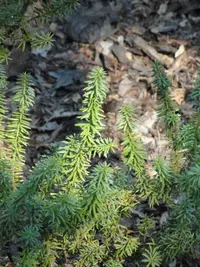
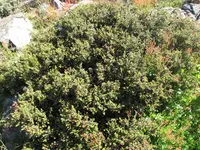
Needle-leaved totara, Podocarpus acutifolius, is an evergreen coniferous shrub or small tree from New Zealand, valued mainly for its fine, dense foliage. It typically forms a compact, bushy shape with many slender branches and narrow, needle-like leaves that create a soft, textured look in the landscape.

In gardens it is often used as a low hedge, windbreak, or structural accent plant, especially in cooler, moist climates. It grows slowly, which helps it stay tidy with minimal pruning, but also means patience is needed to shape mature specimens.

This species prefers well-drained soil, regular moisture, and steady, not extreme, light conditions. These traits make it relatively straightforward to care for Needle-leaved Totara in suitable outdoor climates.


Main Plant Requirements

Care Difficulty

Moderate Care

Light Preference

Partial Sun

Water Requirements

Moderate Water

Temperature Preference

Cool Climate

Hardiness Zone

7–9

Soil Texture

Sandy, Loamy, Organic-rich

Soil pH

Acidic (5.5–6.5), Slightly acidic (6.5–7.0)

Soil Drainage

Moist but well-drained

Fertilization

Minimal (feed rarely)

Get Personalized Care Plan

Scan your plant to receive care tips personalized for your specific plant

Available on iOS and Android

How to Care for the Needle-leaved Totara

Podocarpus acutifolius prefers bright conditions but adapts to a range of outdoor light exposures.

  • Provide 4–6 hours of direct morning sun with light afternoon shade; full sun is suitable in cool coastal climates.
  • Tolerates partial shade (2–4 hours sun) but growth becomes looser and foliage less dense if light is too low.
  • In hot summers, protect Needle-leaved Totara from intense afternoon sun to reduce leaf scorch and moisture stress, especially in exposed sites.

This species prefers evenly moist, well-drained soil and dislikes prolonged saturation.

  • Water when the top 3–5 cm of soil feels dry, then soak the root zone deeply and allow excess to drain away.
  • Reduce frequency in cool or wet seasons; in hot, dry weather, monitor soil every few days and water when the surface loses moisture.
  • Watch for yellowing, soft foliage and persistent wet soil as signs of overwatering, and for limp, browning needle tips as signs of underwatering.

This hardy conifer tolerates cool conditions but grows best within a moderate temperature range.

  • Aim for active growth in 60–75°F (16–24°C); growth slows but remains stable slightly below this range.
  • Mature plants often survive down to about 10–15°F (-12 to -9°C), but young plants benefit from protection during hard freezes.
  • In hot summers above 85°F (29°C), provide mulch to keep roots cool and combine with light afternoon shade to reduce heat stress.

This species is fairly tolerant of a range of humidity but grows best with moderate, stable levels.

  • Aim for 40–60% humidity, which suits typical outdoor conditions in many temperate gardens and patios.
  • Tolerates brief drier air, but prolonged very dry conditions may cause browning needle tips and increased shedding.
  • To ease stress in hot, dry spells, use mulch over the root zone and group containers to slightly buffer humidity around foliage.

Podocarpus acutifolius prefers well-structured, free-draining soil that still holds some moisture.

  • Use a loamy, slightly sandy mix with moderate organic matter to balance drainage and water retention.
  • Aim for slightly acidic to neutral pH, around 6.0–7.0, which supports nutrient availability and root health.
  • Combine compost, pine bark fines, and coarse sand or perlite to create a loose, aerated structure with fast drainage.
  • Avoid compacted, waterlogged, or very heavy clay soils, which increase root rot risk and restrict oxygen around the roots.

This species is suitable for container growing, especially for patios or small gardens.

  • Choose a deep, heavy container to anchor the plant against wind, as the upright growth can become top-heavy.
  • Select a pot material like thick terracotta if extra evaporation is desired in wet climates, or glazed ceramic in hot, dry regions to slow moisture loss.
  • Raise the container slightly on pot feet or bricks so drainage holes stay clear and excess water escapes rapidly after heavy rain or irrigation.

This slow-growing conifer, known as Needle-leaved Totara, benefits from light, balanced feeding rather than heavy fertilization.

  • Use a balanced slow-release fertilizer (for example 10-10-10) or well-rotted compost in early spring.
  • Feed once in spring and once in mid-summer during active growth; avoid late-season nitrogen-heavy products.
  • Apply at 1/2 label rate for container plants to prevent salt buildup and root burn.
  • Do not fertilize in winter; growth is minimal and excess nutrients may stress roots.

Podocarpus acutifolius responds well to light, targeted pruning to maintain a dense, healthy form.

  • Carry out main pruning in late winter or early spring before strong new growth begins.
  • Remove dead, diseased, crossing, or inward-growing shoots to improve airflow and light penetration.
  • Shorten overly long stems to shape hedges or screens, cutting just above a healthy lateral shoot.
  • Use clean, sharp hand pruners; disinfect blades when removing any diseased material.

This species is usually grown in the ground, but container plants or young nursery stock may need occasional repotting or transplanting.

  • Check for roots circling the pot drainage holes, water running straight through, or reduced vigor as signs it needs a larger container or planting site.
  • Plan transplanting or repotting for early spring or early fall, avoiding heat waves or hard frost periods.
  • Step up only 1–2 pot sizes or plant at the same depth in the ground, using free-draining, slightly acidic soil.
  • Water thoroughly after moving, shade from harsh sun for 1–2 weeks, and keep soil evenly moist to limit transplant shock.

Podocarpus acutifolius is most often propagated from semi-hardwood cuttings rather than seed in home settings.

  • Take semi-hardwood tip cuttings in late summer, 7–10 cm long, from healthy, non-flowering shoots.
  • Remove lower needles, dip the base in a rooting hormone, and insert into a free-draining mix such as 50% perlite and 50% peat or coco coir.
  • Maintain bright, indirect light, high humidity, and a stable temperature around 65–75°F for steady rooting.
  • Seed propagation is slower; fresh seed needs well-drained soil, mild temperatures, and patience for uneven germination.

This species is moderately cold hardy but benefits from simple winter precautions in colder regions.

  • Tolerates light frost, but sustained temperatures below about 10–15°F can damage young plants.
  • Apply a 5–8 cm mulch layer around the root zone in late fall, keeping it slightly away from the trunk.
  • In exposed sites, use a breathable windbreak or burlap wrap to limit needle scorch and desiccation.
  • Move container-grown plants into a sheltered, frost-free but cool spot, watering sparingly while soil remains cool.

Care Tips

Wind-hardening young plants

In the first 1–2 years, expose young plants gradually to stronger wind by removing nearby temporary windbreaks stepwise over several months so the stems and root system thicken and anchor more securely before facing full coastal or open-site conditions.

Snow and ice management

In regions with heavy snow, tie flexible branches loosely with soft twine into a column before major storms and gently brush off wet snow after each fall to prevent splaying, cracking, and permanent distortion of the narrow form.

Low hedge training

For low hedges, install a taut horizontal string line at the desired final height and trim just above it once or twice a year so the plants knit together into a dense screen with slightly tapered sides that admit light to the lower foliage.

Root competition control

Keep a root-free strip 30–45 cm wide along the hedge line by shallow hoeing or mulching so turf and aggressive groundcovers do not outcompete the fibrous roots, which improves vigor and foliage density over time.

Site-specific shelterbelts

When caring for Needle-leaved Totara in exposed coastal or rural sites, plant in a staggered double row with 60–90 cm between plants and 75–120 cm between rows to create a more effective, wind-filtering shelterbelt that slows rather than blocks wind entirely.

Common Pests and Diseases

Scale insects

This pest commonly settles on stems and needles, feeding on sap and causing yellowing, thinning foliage, and sticky honeydew on nearby surfaces.

Solution

Prune out heavily infested twigs, then wipe remaining scales with a cotton pad dipped in diluted alcohol or insecticidal soap; for larger shrubs or hedges, apply a horticultural oil spray, ensuring thorough coverage of stems and needle bases while monitoring new growth for reinfestation.

Spider mites

These insects favor the dense, fine foliage, causing stippled, dull needles, fine webbing in the interior, and gradual leaf drop during hot, dry periods.

Solution

Strongly hose down the plant, especially interior branches, to dislodge mites, then maintain higher humidity around the shrub and use repeated applications of insecticidal soap or a labeled miticide if monitoring shows populations persisting.

Sooty mold

This disease develops on the sugary honeydew left by sap-feeding insects, forming a black, powdery coating on needles and stems that can reduce photosynthesis.

Solution

Address the underlying sap-feeding pests such as scale or aphids, then gently wash affected foliage with water and a mild soap solution to remove the fungal coating, improving light penetration and overall Podocarpus acutifolius plant care.

Needle blight

This disease causes scattered browning and premature drop of individual needles or small clusters, often starting on shaded interior branches in humid, poorly ventilated sites.

Solution

Prune out and dispose of affected shoots, improve air circulation by thinning dense interior growth, avoid overhead watering in the evening, and, in persistent cases, apply a suitable fungicide during humid periods according to label directions.

Interesting Facts

New Zealand endemic shrub

This species is naturally restricted to the South Island of New Zealand, where it grows in lowland to montane shrublands and forest margins, often on river terraces and stony sites.

Distinctive needle-like foliage

Unlike many other podocarps with broader or flattened leaves, this plant has very slender, sharply pointed leaves that form dense, fine-textured sprays, helping it tolerate strong wind and exposed conditions.

Small, fleshy seed cones

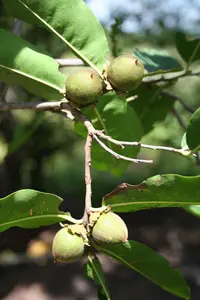
Instead of typical woody cones, it produces tiny seed-bearing structures with a fleshy, often dark-colored receptacle that becomes attractive to birds, which then disperse the seeds.

Botan icon

Did you know?

Needle-leaved totara forms part of naturally shrubby, wind-sheared vegetation in some South Island river valleys, where its dense, fine foliage and tough branching structure help stabilize poor, rocky soils and provide shelter for other native species in harsh, high-rainfall climates.

FAQs about Needle-leaved Totara

Yes, this species adapts well to containers due to its naturally compact, fine-textured growth. Use a sturdy pot, well-drained mix, and regular root pruning to prevent it from becoming pot-bound and unstable over time.

Grow Healthy Plants with Botan Care

Keep your plants happy and healthy with plant identification, disease detection, and easy care guidance.

Botan plant care app — identify plants on mobile

Explore More Plants