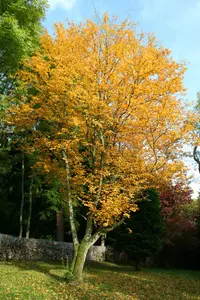
Red peroba Care (Aspidosperma polyneuron)

Red peroba

About Red peroba

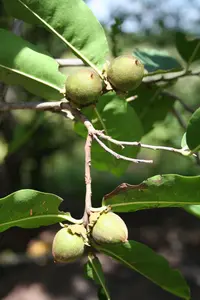
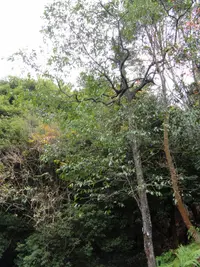
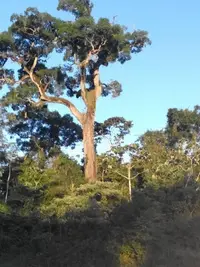
Red peroba (Aspidosperma polyneuron) is a large evergreen tree known for its straight trunk, dense crown, and fine-grained hardwood. In nature it grows in subtropical and tropical forests of South America, especially Brazil, Paraguay, and Argentina.

It is slow growing and long lived, which makes it more suitable for spacious gardens, restoration projects, or forestry than for small residential yards. The species prefers warm climates, deep, well-drained soil, and consistent moisture while young.

Because it eventually reaches a substantial height and needs stable conditions, care for Red peroba is considered moderate in difficulty, mainly due to space and climate requirements rather than complex daily maintenance.

Main Plant Requirements

Care Difficulty

Moderate Care

Light Preference

Full Sun

Water Requirements

Moderate Water

Temperature Preference

Tropical / Frost Sensitive

Hardiness Zone

10–11

Soil Texture

Loamy, Sandy, Organic-rich

Soil pH

Acidic (5.5–6.5), Slightly acidic (6.5–7.0)

Soil Drainage

Well-drained

Fertilization

Minimal (feed rarely)

Get Personalized Care Plan

Scan your plant to receive care tips personalized for your specific plant

Available on iOS and Android

How to Care for the Red peroba

Aspidosperma polyneuron prefers bright, direct sun for strong growth in open landscapes.

  • Provide 6–8 hours of direct sun daily; full sun is ideal, though light afternoon shade helps young Red peroba trees in hot regions.
  • Tree tolerates light partial shade (3–4 hours direct sun) but growth becomes slower and canopy more open.
  • Watch for leaf scorch or yellowing in intense summer sun, and for sparse branching or small, pale leaves in deep shade; adjust exposure seasonally if possible.

Aspidosperma polyneuron prefers evenly moist but never waterlogged soil once established outdoors.

  • Allow the top 3–5 cm of soil to dry between deep waterings, then irrigate slowly so moisture reaches the root zone without pooling.
  • Increase watering during hot, dry periods and reduce frequency in cool or rainy seasons, always checking soil with a finger or soil probe first.
  • Signs of overwatering include soft, yellowing leaves and sour-smelling soil; curled, brittle leaves and dry cracking soil indicate underwatering and need for a slow soak.

This species favors warm, frost-free climates typical of subtropical to tropical regions.

  • Optimal growth occurs around 70–86°F (21–30°C), supporting steady wood and canopy development.
  • Short dips to about 40°F (4°C) may be survived, but tissue damage is likely; avoid any frost, as prolonged exposure below 32°F (0°C) can kill young trees.
  • Mature trees handle brief hot spells up to 100°F (38°C) if soil moisture is maintained, but young plants benefit from mulch and light shade during extreme heat.

This species tolerates a wide humidity range but grows best with moderate atmospheric moisture.

  • Aim for 40–60% humidity; typical indoor air is usually adequate for Red peroba.
  • Dry air can cause leaf edge browning and slower growth, especially in warm rooms.
  • Increase humidity locally by grouping plants, placing containers on pebble trays with water, or using a room humidifier in very dry climates.

Aspidosperma polyneuron prefers a deep, well-structured mineral soil that drains freely but does not dry out instantly.

  • Use a loamy mix with moderate organic matter, such as 50% garden loam, 30% compost, and 20% coarse sand or fine gravel for structure.
  • Ensure excess water can move through the profile quickly; avoid compacted, heavy clay that stays wet for long periods.
  • Maintain slightly acidic to neutral pH around 6.0–7.0 to support balanced nutrient uptake and root activity.
  • Improve aeration and drainage by incorporating coarse sand, grit, or fine bark, especially in dense or high-clay native soils.

This tree is only suitable for container growing while young or as a short-term specimen because of its eventual size.

  • Choose a deep, heavy container to provide root depth and prevent the tall, woody stem from tipping in strong winds.
  • Use a free-draining mix and elevate the pot slightly so drainage holes are never blocked against the ground surface.
  • Position the container where it will not overheat, since dark pots in full sun can raise root-zone temperatures and stress the plant.

Aspidosperma polyneuron benefits from light, targeted feeding while young, especially in containers or nutrient-poor soils.

  • Use a balanced slow-release fertilizer (for example 10-10-10) or well-rotted compost at the start of the growing season for Red peroba.
  • Apply fertilizer 1–2 times per growing season for container or nursery trees, keeping the root zone evenly moist afterward.
  • Dilute liquid fertilizers to 1/2 strength to prevent salt buildup and leaf tip burn, especially in pots.
  • Avoid feeding in late fall and winter so growth can harden off and the tree can rest.

Aspidosperma polyneuron benefits from light structural pruning to maintain a strong, healthy canopy.

  • Carry out main pruning in late winter or very early spring, before strong new growth starts.
  • Remove dead, diseased, crossing, or storm-damaged branches using clean, sharp bypass pruners or a saw.
  • Thin crowded interior branches to improve light penetration and airflow, which reduces fungal issues.
  • Limit heading cuts; instead, favor selective thinning to guide overall shape without triggering weak, dense regrowth.

This tree is usually grown in the ground, so focus on careful transplanting from nursery containers or seedling beds.

  • Plan transplanting for late winter or early spring, when growth is slow and stress is lower.
  • Look for roots circling the container, poor drainage, or slowed growth as signs a nursery plant needs a larger space.
  • Move to a hole slightly wider than the root ball in well-drained soil, loosening circling roots without tearing them heavily.
  • Water thoroughly after planting, then keep soil evenly moist and shaded for 1–2 weeks to reduce transplant shock.

Aspidosperma polyneuron is mainly propagated from seed, which requires patience and consistent conditions.

  • Sow fresh, viable seeds in late spring in a well-drained, sterile seed-starting mix.
  • Scarify hard seed coats lightly with sandpaper, then soak seeds for 12–24 hours to improve water uptake.
  • Maintain warm temperatures around 70–80°F and steady moisture without waterlogging until germination.
  • Provide bright, indirect light and good air movement for seedlings, potting on once roots fill small cells or plugs.

This species comes from warmer climates and is not adapted to hard freezes, so winter protection is important in cooler regions.

  • In USDA zones cooler than 10, grow Aspidosperma polyneuron in large containers and move indoors or to a greenhouse before frost.
  • Use a 5–8 cm mulch layer around the root zone in marginal climates to buffer temperature swings.
  • Avoid heavy pruning late in the season so new growth can mature before cold weather arrives.

Care Tips

Deep root training

In the first 2–3 years, water less often but in high volume to encourage a deep taproot, which improves drought resistance and long-term stability when growing Red peroba outdoors.

Progressive wind hardening

Before planting out from containers, gradually expose young trees to stronger wind over 2–3 weeks to strengthen stems and reduce the risk of wind snap after transplanting.

Structured formative pruning

During the first 5–7 years, prune lightly once a year to select a single dominant leader and 3–5 well-spaced main branches, improving long-term canopy structure and reducing breakage risk in storms.

Mycorrhizae-friendly mulching

Use a 5–8 cm layer of untreated wood chips or leaf litter kept a few cm away from the trunk base to support beneficial soil fungi and maintain a more stable root-zone microclimate.

Root flare inspection

When planting or top-dressing, ensure the root flare (where trunk widens at the base) remains just at or slightly above soil level to prevent rot and encourage proper trunk thickening.

Common Pests and Diseases

Leaf-cutting ants

These insects remove semicircular pieces from young leaves to carry back to their nests, which can severely defoliate seedlings and saplings. Symptoms include rapid loss of foliage and piles of cut leaf fragments near ant trails.

Solution

Locate active nests by following worker trails at dusk and treat mounds with targeted ant baits labeled for leaf-cutting ants, keeping products away from water sources. For young plants, use physical barriers such as sticky bands on trunks and clear ground vegetation around the stem to reduce access while establishing long-term Aspidosperma polyneuron care in reforestation or plantation settings.

Defoliating caterpillars

These insects feed on the soft tissue of young leaves, leaving irregular holes or completely stripped foliage on seedlings and juvenile trees. Damage tends to appear in flushes, often after new leaf growth.

Solution

Hand-pick visible caterpillars on small plants and prune heavily infested shoots. In plantations or grouped trees, encourage natural predators and, if needed, use a biological product containing Bacillus thuringiensis (Bt) applied in the evening to young foliage, following label directions carefully.

Leaf miners

These insects create pale, winding tunnels inside leaves, which can reduce photosynthesis and weaken seedlings when infestations are heavy. Symptoms include thin, serpentine trails and localized yellowing on affected leaf blades.

Solution

Remove and destroy leaves showing active mines to reduce larvae and prevent new generations. For repeated problems in nurseries, use yellow sticky traps to monitor adult activity and, if pressure remains high, apply a systemic insecticide registered for leaf miners, avoiding application during peak pollinator activity.

Anthracnose leaf spots

This disease causes brown to dark, irregular spots on leaves, sometimes with a lighter center and a darker margin, which can merge and lead to early leaf drop in humid conditions. Symptoms include patchy crown thinning when many leaves are affected repeatedly.

Solution

Prune and dispose of heavily spotted leaves and twigs, and avoid overhead watering to keep foliage dry. Improve spacing and airflow around young trees, and in nursery or high-value specimens, use a copper-based or other labeled fungicide during wet periods, rotating products to reduce resistance risk.

Seedling damping-off

This disease affects very young plants in nurseries, causing stems to constrict at soil level, collapse, and die shortly after germination. Symptoms include water-soaked lesions at the base of the stem and sudden wilting despite moist substrate.

Solution

Use sterile, well-draining substrate, sow seeds at appropriate spacing, and avoid overwatering to keep surface moisture moderate. Remove collapsed seedlings immediately and, in high-risk conditions, drench the substrate preventively with a fungicide specifically labeled for damping-off, following all dilution and safety instructions.

Interesting Facts

Endangered Atlantic Forest tree

This species is native to the Atlantic Forest of Brazil, Paraguay, and Argentina, where extensive logging and habitat conversion have made it regionally endangered and a focus of conservation and reforestation efforts.

Valuable heavy hardwood

The wood, commonly known as peroba-rosa or Red peroba, is dense, durable, and resistant to decay, which led to historic overexploitation for flooring, furniture, and construction.

Tall emergent canopy species

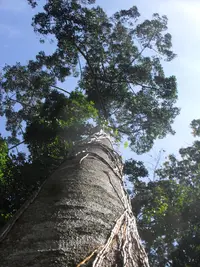
In mature forests this tree can reach over 30 m in height, forming part of the upper canopy and emergent layer that provides structure and shade for many understory species.

Botan icon

Did you know?

Aspidosperma polyneuron produces dry, winged seeds that are dispersed by wind, allowing the species to colonize open gaps in the forest and regenerated areas when suitable conditions return.

FAQs about Red peroba

This tree grows relatively slowly at first, often 20–40 cm per year in suitable outdoor conditions. Growth accelerates once established, especially in deep, well-drained soil with consistent moisture and warmth. Good nutrition further improves vigor.

Grow Healthy Plants with Botan Care

Keep your plants happy and healthy with plant identification, disease detection, and easy care guidance.

Botan plant care app — identify plants on mobile

Explore More Plants