Aspidosperma megalocarpon Care

Aspidosperma megalocarpon

About Aspidosperma megalocarpon

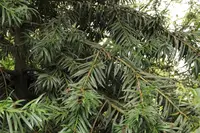
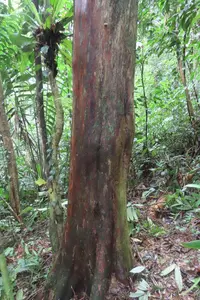
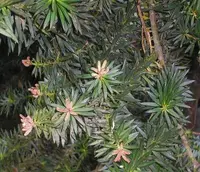
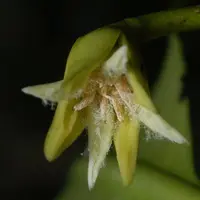
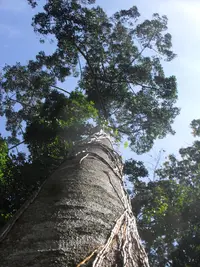
Aspidosperma megalocarpon is a tropical tree species native to Central and South American forests, where it grows as a medium to large canopy tree. It has a straight trunk, dense evergreen foliage, and produces distinctive elongated fruits that give the species its name.

In cultivation, it is mainly grown in botanical collections, reforestation projects, or large outdoor landscapes rather than as a typical houseplant. It prefers warm, humid conditions, consistent moisture, and well-drained soil, so successfully learning how to care for Aspidosperma megalocarpon usually requires a stable tropical or subtropical climate.

Its size, slow establishment, and specific climate needs make it better suited for experienced growers or managed projects than for small home gardens or containers.

Main Plant Requirements

Care Difficulty

Moderate Care

Light Preference

Partial Sun

Water Requirements

Moderate Water

Temperature Preference

Tropical / Frost Sensitive

Hardiness Zone

11–12

Soil Texture

Loamy, Sandy, Organic-rich

Soil pH

Acidic (5.5–6.5), Slightly acidic (6.5–7.0)

Soil Drainage

Well-drained

Fertilization

Minimal (feed rarely)

Get Personalized Care Plan

Scan your plant to receive care tips personalized for your specific plant

Available on iOS and Android

How to Care for the Aspidosperma megalocarpon

This species prefers bright, stable light typical of tropical forest edges and clearings.

  • Provide 4–6 hours of direct morning sun with bright, filtered light or light shade for the rest of the day to reduce leaf scorch risk.
  • Tolerate partial shade, but growth slows and crowns become sparse in sites receiving less than 3–4 hours of direct or high dappled light.
  • In hot summers, protect Aspidosperma megalocarpon from intense mid‑afternoon sun; young plants benefit from light shade screens or neighboring canopy cover.

Water conditions should mimic a moist but free‑draining tropical forest soil.

  • Allow the top 3–5 cm of soil to dry slightly between waterings, then water deeply so moisture reaches the main root zone without leaving the soil saturated.
  • In the warm growing season, increase watering when new shoots extend and leaves feel firm; reduce frequency in cooler or drier months while avoiding complete soil drying.
  • Watch for yellowing, soft leaves and sour smell as signs of overwatering, and dull, curling leaves as underwatering; Aspidosperma megalocarpon prefers well‑aerated, crumbly soil.

This tree is adapted to warm, frost‑free tropical to subtropical climates.

  • Aim for an optimal growing range of 70–86°F (21–30°C), where shoot extension and leaf production are most consistent.
  • Avoid exposure below 50°F (10°C); brief drops to 45°F (7°C) may be tolerated but repeated chilling slows growth and can damage young tissue.
  • Protect from frost, as ice formation on leaves and young bark can be fatal; in hot spells above 95°F (35°C), provide soil mulching and some afternoon shade to limit heat stress on Aspidosperma megalocarpon.

This species prefers moderately humid air but usually tolerates typical household conditions.

  • Aim for 50–60% humidity, especially for young Aspidosperma megalocarpon plants grown in warm rooms.
  • Leaves that curl, brown at the tips, or shed prematurely often indicate air that is too dry.
  • Increase humidity with a nearby water tray, grouped plants, or a room humidifier rather than misting foliage directly.

This tree prefers deep, well-drained, slightly acidic to neutral soil with a stable structure.

  • Use a loamy mix with 40% composted organic matter, 40% mineral topsoil, and 20% coarse sand or fine gravel for structure.
  • Ensure rapid drainage so water does not sit around the roots; raised beds or mounded planting help on heavy sites.
  • Target pH 6.0–7.0 and incorporate composted bark or leaf mold to increase organic content and microbial activity.
  • On compacted or clay soils, mix in coarse sand and fine gravel through the top 30–40 cm to improve aeration and root penetration.

This species can be grown in containers at the seedling or juvenile stage, but long-term culture is challenging due to eventual size.

  • Choose a tall, heavy container to balance the developing woody trunk and reduce the risk of tipping in wind.
  • Select thick-walled clay or concrete pots if outdoor, as they provide stability and moderate soil temperature swings.
  • Use a very free-draining mix and elevate the pot on feet so drainage holes never sit directly in pooled water.

This tropical tree benefits from light, seasonal feeding when grown in managed landscapes or large containers.

  • Use a balanced, slow-release fertilizer (around 10-10-10) or well-aged compost incorporated into the root zone.
  • Feed once at the start of the warm growing season, then again mid-season if growth is weak.
  • Apply at half the label rate, keeping granules or compost a few cm away from the trunk.
  • Stop feeding Aspidosperma megalocarpon in late fall and avoid fertilizing during cool, dormant periods.

Pruning focuses on safety, structure, and removal of weak wood rather than frequent shaping for this large tree.

  • Carry out structural and cleaning cuts at the end of the dry or cool season, before strong new growth.
  • Remove dead, diseased, crossing, or storm-damaged branches first to improve safety and light penetration.
  • Thin congested interior branches to develop a stable framework and balanced canopy form.
  • Use clean, sharp loppers or a pruning saw, making smooth cuts just outside the branch collar.

Management centers on transplanting young trees from nursery containers into permanent ground sites rather than long-term pot culture.

  • Transplant in warm, mild weather when soil is workable and not waterlogged, typically in spring or early wet season.
  • Look for roots circling the pot, poor drainage, or slowed growth as signs a nursery tree needs a larger planting space.
  • Handle the root ball gently, loosening only slightly; keep roots shaded and moist from lifting until planting.
  • Set the tree at the same depth as in the container, water deeply, and mulch 5–8 cm to limit root stress.

Propagation of Aspidosperma megalocarpon is usually done by seed for forestry and restoration purposes.

  • Collect ripe seeds at the end of the fruiting season and sow soon after harvest for better viability.
  • Provide a warm environment (around 75–85°F), evenly moist but well-drained medium, and bright light for germination.
  • Light scarification or soaking seeds in lukewarm water for 12–24 hours can improve water uptake and sprouting.
  • Grow seedlings on in deep containers to encourage a strong taproot before field planting.

This tropical species is not frost hardy and needs protection in regions with cool or freezing winters.

  • In frost-prone climates, grow in large containers and overwinter plants in a bright, frost-free space above 50°F.
  • Reduce watering in winter, keeping the root zone slightly moist but never saturated in cool conditions.
  • For young in-ground trees in marginal climates, mulch 8–10 cm deep over the root zone to buffer temperature swings.
  • Avoid exposure to drying winter winds, which can worsen cold damage to foliage and young stems.

Care Tips

Plan final spacing

When planting young trees, allow at least 6–8 m between individuals and avoid overhead wires or building eaves, as this species develops a broad crown and deep root system over time.

Establish strong leaders

In the first 3–5 years, select one dominant central leader and remove competing upright stems during the dry season to promote a stable trunk structure and reduce future storm damage.

Protect trunk base

Keep a grass-free mulch ring 60–90 cm around the trunk and avoid string trimmer or mower contact, as repeated bark injury at the base can invite fungal decay and borers.

Monitor latex safely

This species produces white latex when cut, so wear gloves and avoid contact with eyes or mouth during pruning, and use clean, sharp tools to make small, deliberate cuts that seal more quickly.

Record site conditions

Maintain simple notes on planting date, rainfall or irrigation patterns, and any pest or disease incidents, as this helps adjust long-term management and supports more predictable results when growing Aspidosperma megalocarpon.

Common Pests and Diseases

Leaf-chewing caterpillars

This pest feeds on the foliage of young and mature trees, creating irregular holes and sometimes skeletonized leaves. Symptoms include ragged leaf edges and accumulated frass (droppings) on lower leaves and around the base of the plant.

Solution

Hand-pick visible caterpillars where practical and prune heavily damaged shoots. For larger trees or persistent infestations, use a targeted Bacillus thuringiensis (Bt) product on young larvae and encourage natural enemies by limiting broad-spectrum insecticides when caring for Aspidosperma megalocarpon outdoors.

Sap-sucking scale insects

These insects attach to stems and leaves, drawing out sap and weakening young trees. Symptoms include sticky honeydew, sooty mold growth on surfaces, and small dome-shaped or flat scales tightly fixed to bark and leaf veins.

Solution

Gently scrub accessible stems with a soft brush and mild soapy water, then rinse well. For established trees, apply a horticultural oil spray during mild weather to smother scales, and improve plant vigor through consistent watering and balanced nutrition to help the tree tolerate and outgrow damage.

Bark-boring beetles

This pest tunnels into trunks and branches, disrupting the vascular tissue that moves water and nutrients. Symptoms include small round exit holes, frass-packed galleries under the bark, dieback of upper branches, and in severe cases, sudden canopy thinning.

Solution

Prune and destroy infested branches as soon as damage is noticed and avoid leaving cut wood or logging residues nearby that can harbor beetles. Maintain strong tree health with adequate water and no excessive fertilization, and in high-risk areas consider preventive trunk treatments by a certified arborist if valuable trees are under repeated attack.

Leaf spot complex

This disease, usually caused by various fungi, creates small brown or purplish lesions that may merge into larger blotches on leaves. Symptoms include premature yellowing and leaf drop, especially on lower, shaded branches or nursery-grown seedlings.

Solution

Remove and destroy fallen leaves and heavily spotted foliage to reduce inoculum, and water at the soil level to keep the canopy dry. Improve spacing and airflow around young trees, and in persistent nursery situations use a registered foliar fungicide according to label directions, rotating products to reduce resistance risk.

Seedling damping-off

This disease affects germinating seeds and very young seedlings, causing water-soaked stems at the soil line that collapse rapidly. Symptoms include poor emergence, soft brown stem bases, and sudden death of batches of seedlings in propagation trays or nursery beds.

Solution

Use sterile, well-drained propagation media and clean containers, and avoid overwatering or allowing trays to stay waterlogged. Remove and discard affected seedlings promptly, improve air movement, and if damping-off is recurrent, treat seed or substrate with an appropriate fungicidal drench before sowing to protect emerging seedlings.

Interesting Facts

Massive woody fruits

This species produces large, thick-walled woody capsules that can exceed the size of a human hand and contain numerous winged seeds adapted for wind dispersal in tall tropical forests.

Lowland rainforest specialist

It is native to lowland and premontane tropical forests from southern Mexico through Central America to parts of South America, where it occurs mainly in warm, humid, evergreen forests on well-drained soils.

Heartwood for timber

The tree yields a dense, durable heartwood often marketed locally as a tropical hardwood, used in construction, furniture, and other applications where resistance to decay is valued.

Botan icon

Did you know?

The species is considered an important canopy or emergent tree in parts of Central American rainforests, where its tall stature and broad crown contribute significantly to forest structure and provide habitat and shade for many other organisms.

FAQs about Aspidosperma megalocarpon

This is a slow to moderate-growing tropical tree. In suitable ground conditions, young plants may add 20–40 cm per year, but reaching a substantial canopy-forming size usually takes several decades of steady growth.

Grow Healthy Plants with Botan Care

Keep your plants happy and healthy with plant identification, disease detection, and easy care guidance.

Botan plant care app — identify plants on mobile

Explore More Plants