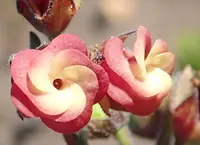
weeping bottlebrush Care (Melaleuca viminalis)

Also known as: Dwarf Bottlebrush, Little John
weeping bottlebrush

About weeping bottlebrush

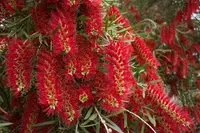
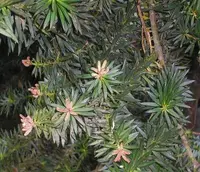
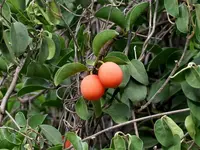
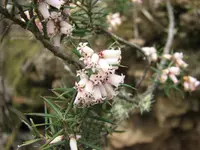
The weeping bottlebrush, Melaleuca viminalis, is an evergreen shrub or small tree known for its arching branches and bright red, brush-like flower spikes. It belongs to the myrtle family and is closely related to many Australian tea trees.

In its native Australia, it often grows along watercourses, which explains its tolerance of occasional flooding and brief dry periods once established. The narrow, mid-green leaves and showy flowers make it popular in ornamental gardens and streetscapes.

This species adapts well to warm, sunny climates and prefers well-drained soil, though it accepts a range of soil types. Gardeners who understand how to care for weeping bottlebrush usually find it a hardy, low-maintenance landscape plant when given enough light and space.


Main Plant Requirements

Care Difficulty

Easy Care

Light Preference

Full Sun

Water Requirements

Moderate Water

Temperature Preference

Warm Climate

Hardiness Zone

8–11

Soil Texture

Sandy, Loamy

Soil pH

Acidic (5.5–6.5), Slightly acidic (6.5–7.0)

Soil Drainage

Well-drained

Fertilization

Minimal (feed rarely)

Get Personalized Care Plan

Scan your plant to receive care tips personalized for your specific plant

Available on iOS and Android

How to Care for the weeping bottlebrush

Melaleuca viminalis thrives in bright, direct light and performs best with long sun exposure each day.

  • Provide full sun for 6–8 hours daily; open, unshaded positions promote dense foliage and abundant flowering in weeping bottlebrush.
  • Plant in a site with morning to mid-afternoon sun; light afternoon shade is acceptable in very hot, inland climates to reduce leaf scorch risk.
  • In cooler seasons or coastal areas, prioritize maximum sun; in hotter regions, ensure at least 4–5 hours of direct light to avoid leggy, sparse growth.

Melaleuca viminalis prefers deep, infrequent watering once established, with soil allowed to partially dry between soakings.

  • In the ground, water when the top 5–8 cm of soil feels dry, applying a slow, deep soak and then allowing the soil to drain fully.
  • Use well-drained, sandy or loamy soil; persistent puddles, sour smell, or soft, yellowing leaves indicate overwatering and poor aeration.
  • Increase watering during very hot, dry periods and reduce in cool or rainy seasons; watch for drooping, crisp leaf tips as a sign of underwatering.

This species is a warm-temperate shrub that tolerates some cold but grows best in mild, frost-limited climates.

  • Optimal growth occurs around 65–80°F (18–27°C); stable, moderate temperatures support steady shoot development and flowering.
  • Mature plants typically survive short dips to about 20–25°F (-6 to -4°C), but young plants and new growth are more easily damaged by frost.
  • In regions with frequent hard frosts or heat above 100°F (38°C), provide some protection such as sheltered planting positions and mulch to buffer roots.

Melaleuca viminalis tolerates a wide humidity range, so humidity management is rarely critical.

  • Performs well at 30–60% humidity, typical of most heated and air-conditioned homes.
  • Handles dry air better than many shrubs, making caring for weeping bottlebrush relatively low-maintenance in this respect.
  • Only in very hot, dry wind may leaf tips brown; provide temporary wind protection or group plants to slightly raise local humidity.

This species prefers loose, sandy to sandy-loam soil that drains quickly and does not stay waterlogged.

  • Use a mix of roughly 50–60% sandy loam or cactus mix with 40–50% coarse sand or fine grit to keep structure open.
  • Aim for slightly acidic to neutral pH, around 6.0–7.0, avoiding strongly alkaline, chalky soils that can limit nutrient uptake.
  • In heavier soils, incorporate coarse sand and fine bark to improve aeration and prevent roots from sitting in stagnant water.
  • Avoid dense clay, peat-heavy mixes, or any soil that compacts hard after watering, as this encourages root rot in Melaleuca viminalis.

This species can be grown successfully in containers, especially in regions with cold winters.

  • Choose a wide, heavy pot to counterbalance the top growth and reduce the risk of the container tipping in strong wind.
  • Select thick-walled terracotta or concrete if outdoor, as these materials add stability and slightly reduce moisture swings at the root zone.
  • Raise the pot on feet or bricks so drainage holes stay clear, allowing excess water to escape rapidly after heavy rain or deep watering.

This species is a light feeder and usually needs only modest nutrition in the landscape.

  • In average garden soil, apply a light layer of compost around the drip line once in spring for weeping bottlebrush.
  • For container plants, use a balanced slow-release fertilizer (around 10-10-10) at half label rate at the start of the growing season.
  • Do not fertilize more often than every 3–4 months during active growth to avoid excessive, weak shoots.
  • Stop feeding in late summer so new growth hardens before cooler weather.

Pruning helps maintain structure and encourage flowering on Melaleuca viminalis without heavy intervention.

  • Carry out main pruning after flowering, trimming back spent flower spikes and lightly shortening new growth.
  • Remove dead, damaged, crossing, or inward-growing branches to keep the canopy open and healthy.
  • Use clean, sharp bypass pruners or loppers, making cuts just above a leaf node or side branch.
  • Shape gradually over several seasons rather than making severe cuts, which can reduce flowering and stress the tree.

This tree is most often grown in the ground, with transplanting more relevant than container repotting.

  • Transplant in late winter to early spring, when growth is just about to resume and temperatures are mild.
  • Look for signs such as roots circling the pot, water running straight through, or slow, weak growth on container plants.
  • Shift to a pot or planting hole only 1–2 sizes larger, using free-draining soil to limit waterlogging and root rot.
  • Water thoroughly before and after moving, keep roots shaded, and trim only lightly to reduce stress during establishment.

Melaleuca viminalis is commonly propagated from semi-hardwood cuttings or seeds under controlled conditions.

  • Take semi-hardwood cuttings in late summer, 7–10 cm long, from healthy non-flowering shoots.
  • Dip the cut base in rooting hormone, then place in a very free-draining, low-nutrient mix under bright, indirect light and high humidity.
  • Maintain temperatures around 70–75°F and keep the medium just moist, not wet, until roots form.
  • Sow fresh seed on the surface of sandy mix in spring, barely covering, and keep warm with gentle, even moisture.

This species is only moderately frost tolerant and benefits from simple winter protection in colder regions.

  • In ground, add a 5–8 cm layer of mulch around the root zone in late fall, keeping it slightly away from the trunk.
  • Shelter young trees from cold drying winds with windbreak netting or a temporary screen.
  • Move container plants indoors or into a bright, frost-free space when temperatures approach 28–30°F.

Care Tips

Formative framework pruning

In the first 2–3 years, select 3–5 well-spaced main branches and remove weak, crossing, or very low shoots to create a strong, open framework that can safely support the long, pendulous flowering stems as the tree matures.

Wind and stake management

In exposed sites, use 2 low stakes and soft, flexible ties positioned below the canopy for only the first 1–2 seasons, then remove them once the trunk thickens so the tree develops natural wind resistance and does not become dependent on support.

Root zone protection

Keep a grass- and weed-free ring at least 60–90 cm around the trunk and use a 5–8 cm layer of inert mulch such as pine bark, leaving a small gap at the trunk, to protect surface feeder roots from heat and mechanical damage from mowers or trimmers.

Targeted salt management

In coastal or high-salinity irrigation areas, occasionally deep-water beyond the root zone and avoid salt-heavy fertilizers to prevent salt buildup that can scorch the narrow foliage and reduce flowering.

Flowering flush cleanup

After major flowering flushes, lightly shake or hose off spent blooms and remove any that collect in branch crotches to reduce fungal growth and keep new buds and young shoots better ventilated, which is especially helpful when caring for weeping bottlebrush in humid climates.

Common Pests and Diseases

Myrtle rust

This disease causes yellow powdery spots on young leaves, shoot tips, and sometimes flowers, which then darken and can lead to dieback of new growth.

Solution

Prune and dispose of affected shoots in sealed bags, avoid overhead watering, and increase spacing and airflow; in regions where myrtle rust is established, monitor new flushes closely and use a suitable myrtle rust fungicide labeled for ornamental Myrtaceae if infection is recurring or severe.

Webbing caterpillars

These insects spin webbing along stems and branch tips, skeletonize leaves, and can strip sections of foliage, especially on young or stressed plants.

Solution

Prune out and dispose of webbed shoot tips, then hose remaining foliage with a strong water spray; if damage continues, apply a targeted biological control such as Bacillus thuringiensis (Bt) to young caterpillars following label directions, and encourage birds and beneficial insects by avoiding broad-spectrum insecticides.

Psyllids

This pest causes pitted, distorted leaves and can produce sticky honeydew on foliage, which may be followed by black sooty mold growth.

Solution

Rinse foliage thoroughly to remove honeydew and nymphs, prune heavily infested shoots, and encourage natural predators such as lady beetles; for persistent infestations, use a horticultural oil or insecticidal soap, applied to the undersides of leaves where psyllids shelter.

Scale insects

These insects appear as small, fixed bumps on stems and leaves, drawing sap and leading to yellowing foliage, reduced vigor, and honeydew deposits.

Solution

Wipe or gently scrub affected stems with a cloth dipped in water with a little mild soap, then rinse; for larger plants, use horticultural oil during mild weather to smother scale, and improve plant vigor with proper watering and mulch to help the tree outgrow light infestations.

Sooty mold

This disease produces a black, soot-like coating on leaves and stems that grows on the honeydew excreted by sap-sucking insects such as scale or psyllids, reducing photosynthesis and making the plant look dull and dirty.

Solution

Address the underlying insect infestation first, then gently wash affected foliage with water to remove the mold; pruning crowded interior growth improves airflow and light penetration, which helps new, clean foliage develop and supports long-term Melaleuca viminalis care instructions.

Interesting Facts

Natural stream stabilizer

This species often grows along watercourses in Australia, where its dense, fibrous roots help bind riverbanks and reduce erosion, making it an important component of riparian habitats.

Bottlebrush nectar resource

The bright red flower spikes produce abundant nectar that attracts honeyeaters, lorikeets, and many insects, providing a key food source for native pollinators during its long flowering season.

Adapted to flooding

In its native range, this tree tolerates periodic inundation and seasonally waterlogged soils, allowing it to persist where many other woody species would decline.

Botan icon

Did you know?

This species can develop a thick, corky bark that offers protection from fire, allowing mature trees to often survive bushfires and resprout afterward, which contributes to the resilience of ecosystems where it grows.

FAQs about weeping bottlebrush

Poor flowering usually relates to insufficient light, heavy pruning at the wrong time, or excess nitrogen fertilizer. Prune only lightly after flowering, avoid high‑nitrogen lawn feed near the roots, and provide a warm, bright, low‑stress position.

Grow Healthy Plants with Botan Care

Keep your plants happy and healthy with plant identification, disease detection, and easy care guidance.

Botan plant care app — identify plants on mobile

Explore More Plants