Sap-safe handling
When pruning or moving the plant, wear gloves and avoid getting the white sap on skin or eyes, then rinse tools in soapy water to reduce sap buildup and disease spread.

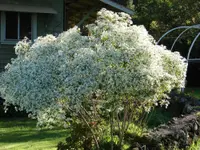
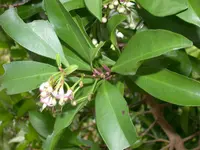
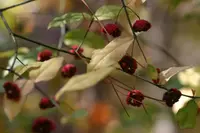
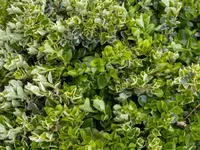
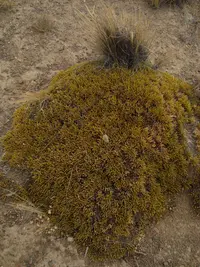
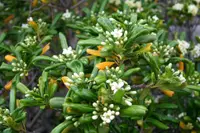
Euphorbia leucocephala, commonly called pascuita or snowbush, is a small to medium shrub known for its clouds of white, petal-like bracts around tiny flowers. It has a fine, twiggy habit and forms a rounded, airy mound that becomes strikingly white in the flowering season.
This species is native to tropical regions of Central America and is often grown in warm climates as an ornamental hedge or specimen shrub. It prefers bright light, good drainage, and moderate moisture, which makes it fairly manageable once established.
Understanding how to care for pascuita mainly involves providing enough sun, avoiding waterlogged soil, and protecting it from cold, as it is sensitive to frost.

Care Difficulty
Moderate Care

Light Preference
Full Sun

Water Requirements
Low Water

Temperature Preference
Tropical / Frost Sensitive

Hardiness Zone
10–12

Soil Texture
Sandy, Loamy, Organic-rich

Soil pH
Acidic (5.5–6.5), Slightly acidic (6.5–7.0)

Soil Drainage
Well-drained

Fertilization
Minimal (feed rarely)
Scan your plant to receive care tips personalized for your specific plant
Available on iOS and Android
This shrub needs bright outdoor light to form dense foliage and heavy flowering.
This species is drought-tolerant but flowers best with thoughtful, infrequent watering.
This warm-climate shrub prefers stable, mild to hot conditions without frost exposure.
This species tolerates a wide humidity range but benefits from moderately moist air.
Soil for this shrub must drain rapidly while still holding modest, stable moisture.
This shrub is well suited to container growing when the pot stabilizes its woody, branching form.
This shrub benefits from light, balanced feeding but will flower reasonably well even in modest soil.
Thoughtful pruning keeps Euphorbia leucocephala compact, healthy, and floriferous.
This shrub is usually grown in the ground, with transplanting done infrequently and only when needed.
Propagation is most practical from semi-hardwood cuttings, with seeds used less often in home settings.
This species is frost-sensitive and needs protection in regions with cool or freezing winters.

Plant Health Check
Not sure what's wrong with your plant? Check your plant's health inside the app.
This species produces masses of small white bracts around the true flowers, creating a cloud-like effect that can cover most of the plant canopy during its main flowering season in late fall and winter in subtropical climates.
Flowering is controlled by photoperiod, meaning it blooms when nights become longer, similar to the Christmas poinsettia, but with smaller leaves and a much finer, airy structure.
In many parts of its native range in Mexico and Central America, it tends to flower toward the drier part of the year, when many other shrubs are less showy, which helps attract pollinators with reduced competition for visual attention.

Like several other spurges, this shrub produces a white, milky latex sap that can irritate skin and eyes, and is part of the plant’s natural defense system against herbivores and injury.
This shrub usually needs a distinct dry, slightly cooler period to trigger flowering. Excessive watering, high nitrogen fertilization, or strong pruning just before the flowering season can all reduce or delay blooms on otherwise healthy plants.
Keep your plants happy and healthy with plant identification, disease detection, and easy care guidance.