Myrtle Wattle Care (Acacia myrtifolia)

Myrtle Wattle

About Myrtle Wattle

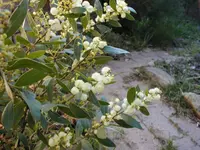
Myrtle wattle (Acacia myrtifolia) is an evergreen shrub from southern Australia, valued for its compact shape and fine, myrtle-like foliage. It usually forms dense, rounded clumps with smooth green phyllodes and masses of soft yellow, ball-shaped flowers.

In nature it grows in coastal heath and open woodland, often on sandy or well-drained soils. This background makes it relatively tolerant of wind, salt, and light drought once established.

Gardeners who want to care for Myrtle Wattle should note that it prefers bright light, low to moderate watering, and soil that does not stay wet for long periods.


Main Plant Requirements

Care Difficulty

Easy Care

Light Preference

Full Sun

Water Requirements

Low Water

Temperature Preference

Warm Climate

Hardiness Zone

9–11

Soil Texture

Sandy, Loamy, Rocky

Soil pH

Acidic (5.5–6.5), Slightly acidic (6.5–7.0)

Soil Drainage

Well-drained

Fertilization

Minimal (feed rarely)

Get Personalized Care Plan

Scan your plant to receive care tips personalized for your specific plant

Available on iOS and Android

How to Care for the Myrtle Wattle

This shrub prefers bright, open conditions similar to its native coastal scrub habitats.

  • Provide 6–8 hours of direct sun daily; morning sun with light afternoon shade suits Myrtle Wattle in hotter inland areas.
  • Tolerates light or dappled shade for part of the day, but flowering and compact growth decline if sun drops below about 4 hours.
  • In summer, protect young plants from harsh late-afternoon sun to limit leaf scorch; in winter, choose the sunniest, least-shaded spot available.

This species prefers well-drained soil and benefits from a dry-down between waterings once established.

  • Water thoroughly, then allow the top 3–5 cm of soil to dry before watering again; established plants in the ground often cope with natural rainfall alone.
  • Increase watering during the first 1–2 growing seasons and in very hot, dry spells, watching for slight leaf droop as a cue to water.
  • Ensure sharply drained, sandy or loamy soil; yellowing, soft leaves suggest overwatering, while crisp, browning leaf tips suggest underwatering.

This Australian shrub is adapted to mild, coastal-type climates with limited frost.

  • Best growth occurs around 60–80°F (16–27°C), with steady warmth promoting denser foliage and reliable flowering.
  • Tolerates brief dips to about 25°F (−4°C); below this, young shoots and flower buds are easily damaged and may blacken.
  • Handles dry heat up to 95°F (35°C) if roots are mulched and soil is not waterlogged; prolonged hard frost or freezing winds greatly increase cold injury risk.

This species tolerates a wide humidity range and usually does not need special humidity control indoors or outdoors.

  • Aim for 30–60% humidity; typical indoor air is acceptable for Myrtle Wattle.
  • Leaves curling inward or browning at tips in very dry, heated rooms can indicate humidity stress.
  • If air is extremely dry, group plants together or place the container on a pebble tray with water below the pot base.

Acacia myrtifolia prefers freely draining, low-fertility soil that does not stay wet around the roots.

  • Use a sandy or sandy-loam mix with coarse texture to keep pores open and oxygen around the roots.
  • Aim for slightly acidic to neutral pH, roughly 6.0–7.0, avoiding strongly alkaline or saline soils.
  • Mix components such as coarse sand, fine gravel, and a modest amount of compost to balance drainage with some organic matter.
  • Avoid heavy clay, peat-heavy, or compacted mixes; improve drainage by increasing coarse mineral content rather than adding more compost.

This species can adapt to container growing if the pot and mix are chosen to keep roots stable and well drained.

  • Choose a deep, heavy container to anchor the shrub and prevent tipping in strong wind as the top growth develops.
  • Select a mineral-rich, fast-draining mix so water moves quickly through while still holding enough weight to stabilize the plant.
  • Use light-colored or thick-walled pots in hot climates to reduce root-zone overheating and rapid moisture swings.

This nitrogen-fixing shrub needs only light feeding, especially when grown in poor or sandy soils.

  • Use a low-phosphorus, balanced NPK fertilizer or well-rotted compost in early spring to support growth.
  • Feed once at the start of the growing season; a second light application in midsummer is usually enough for Myrtle Wattle.
  • Dilute liquid fertilizer to 1/2 strength to avoid root burn and excessive soft growth.
  • Stop feeding in late summer and avoid fertilization in winter dormancy periods.

Pruning Acacia myrtifolia helps maintain a compact form and supports healthy flowering wood.

  • Carry out shaping and cleanup after main flowering, usually in late winter or early spring.
  • Remove dead, damaged, crossing, or inward-growing branches using clean, sharp bypass pruners.
  • Shorten excessively long shoots by up to 1/3 to keep a dense, bushy habit.
  • Avoid cutting into very old, bare wood; focus on younger, leafy stems for best regrowth.

This species is usually grown in the ground, with transplanting most useful for young nursery plants or temporary containers.

  • Transplant in late winter to early spring, when soil is workable and temperatures are mild.
  • Look for roots circling the pot, drying out fast, or slowed top growth as signs a container plant needs a larger pot or planting out.
  • Disturb the root ball as little as possible; gently loosen only the outer roots and keep soil around them moist.
  • Water thoroughly after transplanting, then keep soil slightly moist but not waterlogged to limit transplant shock.

Propagation of this species is usually done from seed, with semi-hardwood cuttings used less often.

  • Collect ripe seed pods, extract seeds, and use hot-water treatment or light scarification to improve germination.
  • Sow seeds in late winter to early spring in a very free-draining, low-phosphorus mix kept just moist.
  • Provide bright light, 65–75°F temperatures, and good air circulation for uniform germination.
  • Take semi-hardwood cuttings in late summer, use rooting hormone, and place in a covered tray with bottom heat for best rooting.

In mild climates this shrub is fairly tolerant of cool conditions but can be damaged by hard freezes.

  • Hardiness is usually safe to about 20–25°F; below this, young growth and buds may be injured.
  • Apply a 5–8 cm mulch around the root zone in late fall, keeping it slightly away from the stem base.
  • For container plants, move pots into a bright, frost-free spot or unheated greenhouse during freezing spells.

Care Tips

Wind-hardening young plants

Expose young plants to increasing wind over 2–3 weeks before planting in a permanently windy site, using temporary windbreaks like shade cloth or a fence to reduce transplant shock and encourage stronger, more flexible stems.

Low-phosphorus protection

If nearby plants require high-phosphorus fertilizer, install a physical edging barrier and water Myrtle Wattle separately so phosphate-rich runoff does not reach its root zone, which helps prevent nutrient toxicity common in many Acacia species.

Light formative training

In the first 2–3 years, lightly stake and tie the main stem in the preferred direction and remove only competing leaders, guiding the shrub into a single or multi-stem framework that will better resist storm damage later.

Mulch collar management

Maintain a 5–10 cm wide mulch-free ring around the base of the stems so the crown stays dry and well-aerated, which lowers the risk of collar rot and discourages pests that hide in damp mulch.

Pod and litter control

In small gardens or paved areas, collect fallen seed pods and leaf litter in late summer to reduce unwanted self-seeding and to keep drainage surfaces clear around the plant base.

Common Pests and Diseases

Wattle psyllids

These insects feed on young foliage and shoots, causing cupped, distorted leaves and a general loss of vigor in new growth.

Solution

Prune and dispose of heavily infested shoots, then hose down foliage to dislodge nymphs from leaf surfaces. If needed, use a ready-to-use insecticidal soap or horticultural oil, applied thoroughly to the undersides of leaves, and support plant health with adequate light and non‑excessive watering as part of broader Acacia myrtifolia care instructions.

Gall wasps

These insects induce woody swellings or galls on stems and branches, which can restrict sap flow and weaken the plant over time.

Solution

Cut off and dispose of gall-affected stems well below the swelling before adult wasps emerge, and avoid leaving prunings on the ground. Maintain general plant vigor and reduce stress, since healthier plants tend to produce fewer and smaller galls.

Scale insects

This pest appears as small, immobile bumps on stems and leaves, often accompanied by sticky honeydew and black sooty mold on foliage.

Solution

Physically remove light infestations by gently scraping with a fingernail or cloth, then wash the plant with a strong stream of water. For persistent problems, apply horticultural oil or insecticidal soap, ensuring full coverage of stems and leaf undersides, and repeat as directed on the product label.

Phytophthora dieback

This disease, caused by soil-borne water molds, leads to progressive yellowing, leaf drop, and branch dieback, especially in poorly drained or compacted soils.

Solution

Remove and destroy severely affected plants or branches and avoid moving contaminated soil or tools between areas. Improve drainage, reduce watering frequency, and, in landscape settings, consult local guidelines on phosphite treatments, which can help protect remaining plants when applied correctly.

Rust fungus

Symptoms include powdery orange to brown pustules on the undersides of leaves, sometimes leading to yellowing and premature leaf drop.

Solution

Remove and dispose of infected leaves and prune crowded interior branches to increase airflow around the canopy. Avoid overhead watering, irrigate at the base in the morning, and if rust is recurrent, consider using a labeled fungicide on nearby susceptible wattles to reduce overall spore pressure.

Interesting Facts

Myrtle-like foliage

This species gets its name because its short, broad, glossy leaves resemble those of true myrtles, unlike the fine, feathery foliage common in many other acacias.

Diverse habitat range

It is naturally distributed across southern coastal regions of Australia, from Western Australia through South Australia to Victoria and Tasmania, where it grows in heathlands, coastal scrub, and open forests on sandy or gravelly soils.

Nectar and seed partners

Its cream to pale-yellow, globular flower heads provide pollen and nectar for native insects, while its seeds are dispersed partly by ants that are attracted to the oily aril attached to each seed.

Botan icon

Did you know?

Like many Australian acacias, this species can resprout from its base after fire and also regenerate from a long-lived soil seed bank, giving it strong resilience in fire-prone heath and woodland ecosystems.

FAQs about Myrtle Wattle

This species is evergreen, keeping its narrow, leathery leaves throughout the year in suitable climates. Foliage may thin slightly in extreme drought or cold, but under normal garden conditions it maintains year-round cover and structure.

Grow Healthy Plants with Botan Care

Keep your plants happy and healthy with plant identification, disease detection, and easy care guidance.

Botan plant care app — identify plants on mobile

Explore More Plants