Root spread control
Install a 20–30 cm deep root barrier or plant in a large bottomless container sunk into the ground to keep suckers from spreading into surrounding beds.

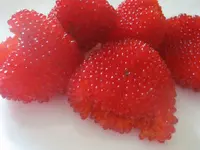
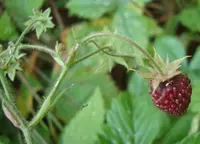
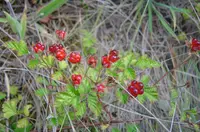
Strawberry raspberry, Rubus illecebrosus, is a small shrubby bramble grown for its bright red, strawberry-shaped berries and softly prickled stems. It forms low clumps and can spread by underground stems, creating a loose groundcover in suitable conditions.
This species is native to Japan but is now grown in gardens in temperate regions for both its ornamental fruit and novelty value. It is generally easy to grow if given sun, moisture, and well-drained soil, though its spreading habit can need control. Gardeners who want to learn how to care for strawberry raspberry usually focus on managing its spread and providing enough light for good fruiting.

Care Difficulty
Moderate Care

Light Preference
Full Sun

Water Requirements
Moderate Water

Temperature Preference
Cold Hardy

Hardiness Zone
5–8

Soil Texture
Sandy, Loamy, Organic-rich

Soil pH
Acidic (5.5–6.5), Slightly acidic (6.5–7.0)

Soil Drainage
Moist but well-drained

Fertilization
Minimal (feed rarely)
Scan your plant to receive care tips personalized for your specific plant
Available on iOS and Android
Rubus illecebrosus thrives in bright outdoor conditions with several hours of direct sun each day.
This species prefers consistently moist, well-drained soil rather than extremes of drought or saturation.
This hardy bramble tolerates a wide temperature range but has clear preferences for vigorous growth.
This species handles a wide humidity range and usually does not need special humidity management outdoors.
Rubus illecebrosus prefers loose, well‑structured, moisture‑retentive but free‑draining soil.
This species can be grown successfully in containers with careful management of spread and root space.
Rubus illecebrosus benefits from modest feeding rather than heavy fertilization.
Pruning Rubus illecebrosus controls spread, maintains health, and supports better fruiting.
This species is usually grown in the ground, so focus on careful transplanting rather than frequent repotting.
Rubus illecebrosus is commonly multiplied by division, suckers, and sometimes by seed.
This shrub is generally cold hardy in many temperate regions and needs only light winter care.

Plant Health Check
Not sure what's wrong with your plant? Check your plant's health inside the app.
This species is native to Japan, especially the island of Honshu, and is not naturally widespread elsewhere, unlike many other brambles that have broad native ranges across continents.
The plant produces bright red, relatively large aggregate fruits that resemble inflated raspberries and are often grown more for their striking appearance than for their modest flavor.
It spreads by underground stolons, a type of horizontal stem, which allows it to form dense clonal patches that can become persistent once established.

In some European countries, this species has a long history in ornamental and specialty fruit gardens, where it has been maintained in cultivation since the late 19th century primarily for its unusual fruit shape and showy appearance rather than for high-yield berry production.
The fruits are edible and safe in normal food amounts. They look attractive but have mild flavor and slightly dry texture. Use them fresh, in jams, or as garnish, and always avoid unverified wild look-alikes.
Keep your plants happy and healthy with plant identification, disease detection, and easy care guidance.