Early framework training
In the first 2–3 years, select 3–5 strong shoots as permanent scaffold branches and remove low, crossing, or inward-growing shoots to build a stable, open framework that can support fruit weight later.

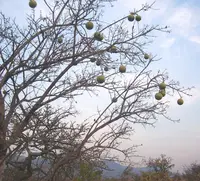
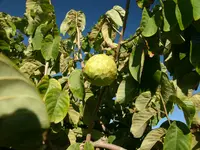
Natal orange, Strychnos spinosa, is a spiny, fruiting shrub or small tree native to savanna and woodland areas of eastern and southern Africa. It produces rounded, hard-shelled yellow fruits and has small, glossy green leaves on a densely branched canopy. In cultivation it grows slowly and can form a compact structure, but the sharp spines and need for warmth make it better suited to experienced growers. It prefers bright light, free-draining soil, and moderate moisture with good air movement. Understanding how to care for Natal orange helps reduce stress-related issues such as poor flowering or weak growth.

Care Difficulty
Moderate Care

Light Preference
Full Sun

Water Requirements
Low Water

Temperature Preference
Tropical / Frost Sensitive

Hardiness Zone
10–12

Soil Texture
Sandy, Loamy, Rocky

Soil pH
Slightly acidic (6.5–7.0), Neutral (7.0)

Soil Drainage
Well-drained

Fertilization
Minimal (feed rarely)
Scan your plant to receive care tips personalized for your specific plant
Available on iOS and Android
Strychnos spinosa prefers strong light in warm to hot climates but benefits from some protection at the harshest times of day.
Strychnos spinosa prefers deep but infrequent watering once established, with soil allowed to dry partly between soakings.
This species thrives in warm, frost-free conditions and declines quickly if exposed to prolonged cold.
This species handles a wide humidity range and rarely needs special humidity management.
This species prefers freely draining, slightly sandy soil that does not stay wet after watering.
This species can be grown in containers when given enough root space and strong drainage.
This drought-hardy fruit tree benefits from light feeding but usually dislikes heavy, frequent fertilization.
Thoughtful pruning helps Strychnos spinosa maintain a strong framework and safer, more open canopy.
This species is usually grown in-ground, so focus on careful transplanting of young trees rather than frequent repotting.
New Strychnos spinosa plants are most reliably raised from seed under warm, stable conditions.
Mature plants in mild, frost-free climates usually need minimal winter attention, but young trees are more vulnerable.

Plant Health Check
Not sure what's wrong with your plant? Check your plant's health inside the app.
The hard-shelled fruits contain sweet-sour, edible pulp around the seeds, while the seeds themselves hold toxic alkaloids related to those found in the notorious strychnine-producing relatives of this genus.
This small tree is adapted to hot, dry woodland and savanna, often shedding leaves during severe drought and resprouting from a tough woody framework once rains return.
The yellow, golf-ball-sized fruits are an important seasonal food for many African animals, including elephants, monkeys, and antelope, which help disperse the seeds through their droppings.

Fossil and phytogeographic evidence indicate that this species and its close relatives have been part of African woodland ecosystems for a long evolutionary period, and in some regions it has become culturally valued enough that local communities actively protect individual trees when clearing land for farming.
Growth is moderate rather than rapid. Young plants may add 20–40 cm per year under warm, sunny, well‑drained conditions, slowing as the woody framework develops. Poor soil, low temperatures, and drought all reduce annual extension growth.
Keep your plants happy and healthy with plant identification, disease detection, and easy care guidance.