Remo Caspi Care (Aspidosperma excelsum)

Remo Caspi

About Remo Caspi

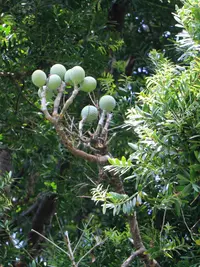
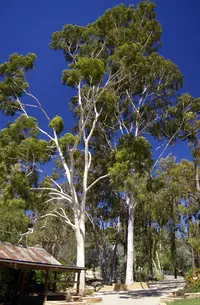
Remo caspi, Aspidosperma excelsum, is a large evergreen tree native to lowland tropical forests of South America, especially the Amazon basin. In nature it can reach impressive heights with a tall, straight trunk and a high, spreading crown. Leaves are glossy, medium to dark green, arranged in clusters that create a dense canopy. The tree is valued locally for timber and shade rather than for ornamental use. It prefers warm, humid conditions, well-drained soils, and consistent moisture, which makes it challenging to grow indoors or in cooler climates. Those wanting to care for Remo Caspi outside its native range generally need greenhouse or specialized tropical conditions.

Main Plant Requirements

Care Difficulty

Moderate Care

Light Preference

Full Sun

Water Requirements

Moderate Water

Temperature Preference

Tropical / Frost Sensitive

Hardiness Zone

11–12

Soil Texture

Loamy, Sandy, Organic-rich

Soil pH

Acidic (5.5–6.5), Slightly acidic (6.5–7.0)

Soil Drainage

Moist but well-drained

Fertilization

Minimal (feed rarely)

Get Personalized Care Plan

Scan your plant to receive care tips personalized for your specific plant

Available on iOS and Android

How to Care for the Remo Caspi

This tall tropical tree prefers bright, consistent light similar to open woodland edges.

  • Provide 6–8 hours of sun daily, ideally with morning sun and light afternoon shade; young Remo Caspi plants benefit from filtered light under taller trees.
  • Tolerates partial shade (around 3–4 hours of direct sun) but growth may slow and crowns become sparse in deeper shade.
  • Avoid intense, all-day dry heat exposure that can scorch young foliage; in dry seasons, slight shade or filtered light reduces leaf burn and water stress.

This species prefers evenly moist, well-drained soil that never stays waterlogged for long.

  • Water when the top 3–5 cm of soil feel dry, allowing deeper soil to remain slightly moist, especially for establishing trees in the first 2–3 years.
  • Use deep, infrequent soakings rather than light surface splashes, and ensure soil drains freely to prevent root rot and foul odor from stagnating water.
  • In rainy seasons, reduce supplemental watering and watch for yellowing, soft leaves as a sign of excess moisture; curled, brittle leaves usually indicate underwatering in dry periods.

This tropical canopy tree thrives in consistently warm, frost-free climates.

  • Optimal growth occurs at 70–86°F (21–30°C), with stable warmth supporting steady leaf and trunk development.
  • The tree is highly sensitive to cold; growth slows below 60°F (16°C) and damage can occur near 40°F (4°C), so avoid any frost exposure.
  • Tolerates short hot spells up to about 95°F (35°C) if soil moisture is adequate; in extended heat, mulch the root zone to moderate soil temperature and reduce stress.

This species tolerates a wide humidity range but grows best with moderate air moisture.

  • Aim for 50–70% humidity, which reflects its native tropical environment without being difficult to maintain.
  • It copes with short dry spells, but prolonged air below 40% can slow growth and increase leaf edge browning.
  • If air is very dry, group plants, place trays with water and stones nearby, or run a small humidifier to stabilize humidity.

Aspidosperma excelsum prefers deep, loose, well-drained soil that still holds consistent moisture.

  • Use a loamy mix combining roughly 40% compost, 40% coarse sand, and 20% bark or perlite to balance moisture retention and aeration.
  • Aim for slightly acidic to neutral pH, around 6.0–7.0, which supports nutrient availability and root activity.
  • Improve drainage in heavy or clay soils by incorporating coarse sand and fine gravel through the top 20–30 cm before planting.
  • Avoid compacted, waterlogged, or saline soils, which restrict oxygen around the roots and raise the risk of root decline.

This tree is not ideal for long-term container growing, but young plants can spend a limited period in pots.

  • Choose a deep, heavy container to support the developing taproot and reduce the risk of the pot tipping in wind.
  • Use a fast-draining mix and elevate the pot slightly so drainage holes release water freely after heavy watering or rain.
  • Position the container where it will not overheat on hard surfaces, since dark pots in full sun can over-warm the root zone.

This tropical canopy tree grows well in reasonably fertile soil and usually needs only light feeding in cultivation.

  • Use a balanced slow-release fertilizer (around 10-10-10) or well-rotted compost mixed into the root zone in spring.
  • Feed young or container-grown Remo Caspi every 8–10 weeks during the warm growing season only.
  • Apply fertilizers at half the label strength to avoid salt buildup and root stress.
  • Stop feeding in late fall and avoid winter applications, as growth slows and nutrients are not efficiently used.

Pruning Aspidosperma excelsum focuses on safety, structure, and removal of weak growth rather than heavy shaping.

  • Carry out structural pruning in late dry season or late winter, before strong new growth starts.
  • Remove dead, diseased, crossing, or storm-damaged branches to maintain a stable, safe canopy.
  • Thin crowded interior branches slightly to improve airflow and light penetration without over-opening the crown.
  • Use clean, sharp loppers or a pruning saw, making smooth cuts just outside the branch collar.

This large forest tree is rarely kept long term in containers, so management focuses on timely transplanting of young plants.

  • Transplant when roots circle the pot, growth stalls, or watering frequency increases sharply.
  • Aim to transplant in late spring or early summer, once soil is warm and frost risk has passed.
  • Move up only 1–2 pot sizes or into a well-prepared ground site with deep, well-drained soil.
  • Water thoroughly before and after transplanting, keep the root ball intact, and provide shade and consistent moisture until established.

Propagation of Aspidosperma excelsum is typically done from seed rather than vegetative methods.

  • Collect ripe seeds from mature pods and sow them fresh for best viability.
  • Sow in late spring in a warm, bright location with a free-draining, slightly sandy seed mix.
  • Maintain 75–85°F, steady moisture, and good air circulation to support germination and reduce damping-off.
  • Cover seeds lightly, keep the medium just moist, and transplant seedlings carefully once roots fill small cells or pots.

This tropical tree is not frost hardy and needs protection in regions with cool or cold winters.

  • Grow in-ground only in frost-free climates; elsewhere, keep young plants in large containers.
  • Before temperatures drop near 40°F, move container plants indoors or into a heated greenhouse.
  • Use a thick mulch layer around the root zone in marginal climates to buffer brief cool spells.

Care Tips

Early structural training

In the first 3–5 years, select 1 strong central leader and remove competing upright shoots to form a straight, wind-resistant trunk suitable for long-term canopy development when growing Remo Caspi.

Wind and stake management

In exposed sites, use 2–3 low, flexible stakes placed outside the root zone and tied with soft, adjustable ties, then remove all staking after 1–2 years to encourage a self-supporting root and trunk system.

Mulch for root stability

Apply a 5–8 cm layer of coarse organic mulch in a broad ring around the tree, keeping it 5–10 cm away from the trunk, to moderate soil temperature, reduce surface root stress, and support steady growth.

Trunk and bark protection

In open plantations or hot, reflective sites, wrap young trunks with breathable tree guards or use a light-colored tree paint on the south and west sides to reduce sunscald, cracking, and borer entry points.

Long-term spacing planning

When planting multiple trees, allow at least 6–8 m between individuals to prevent future canopy competition, reduce disease spread through poor air movement, and simplify future management and harvesting.

Common Pests and Diseases

Defoliating caterpillars

This pest feeds on young leaves and new shoots, causing irregular holes and in severe cases partial defoliation of the canopy.

Solution

Handpick visible caterpillars where possible and prune heavily damaged twigs; for larger trees, apply a Bacillus thuringiensis (Bt) biological spray to young foliage at dusk and encourage natural predators such as birds by maintaining nearby habitat rather than using broad-spectrum insecticides.

Leaf-cutting ants

These insects remove semi-circular sections of leaves and carry them to their nests, which can severely weaken young trees and slow growth.

Solution

Locate the nest and apply targeted ant baits registered for leaf-cutting ants around nest entrances, protect young stems with physical barriers such as sticky bands, and keep competing vegetation down to reduce alternate food sources around the planting area.

Scale insects

This pest attaches to twigs and leaves, sucking sap and often producing sticky honeydew that can lead to sooty mold development on foliage and bark.

Solution

Prune and destroy heavily infested branches, wash accessible stems with water and a soft brush, and apply a horticultural oil spray during mild, dry weather to smother scales while avoiding application during extreme heat to prevent leaf burn; this approach is suitable for Aspidosperma excelsum care in managed plantings.

Leaf spot

This disease causes small brown to dark lesions on leaves that may coalesce, leading to premature yellowing and drop of older foliage, especially in warm, humid conditions.

Solution

Remove and destroy fallen and heavily spotted leaves to reduce inoculum, avoid overhead irrigation, and improve airflow by selective pruning; if the tree is in a high-value planting and damage recurs, a copper-based fungicide applied at the start of the rainy season can help protect new foliage.

Interesting Facts

Towering canopy tree

This South American timber tree can reach around 40 m in height, forming part of the upper canopy in lowland tropical forests and contributing important shade and structural habitat for other organisms.

Specialized wood anatomy

Its wood is dense, fine-textured, and pale to yellowish, with distinct growth layers that make it valued in its native range for durable construction and carpentry applications.

Latex-producing bark

Like many members of the Apocynaceae, it has bark that exudes a white, latex-like sap when cut, which helps seal wounds and protect the tree from herbivores and pathogens.

Botan icon

Did you know?

The species often grows on well-drained upland soils in Amazonian forests and can form part of mixed-species stands that are selectively logged, making it an important component of regional forest management and long-term timber sustainability discussions.

FAQs about Remo Caspi

In favorable tropical conditions this species develops into a large canopy tree, often 25–40 m tall with a straight trunk. In constrained urban or farm plantings it usually stays shorter due to space and root restriction.

Grow Healthy Plants with Botan Care

Keep your plants happy and healthy with plant identification, disease detection, and easy care guidance.

Botan plant care app — identify plants on mobile

Explore More Plants