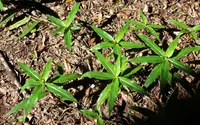
cherimoya Care (Annona cherimola)

cherimoya

About cherimoya

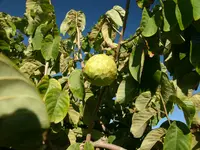
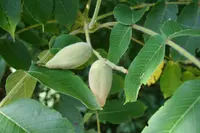
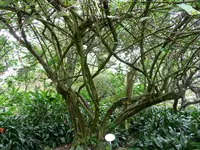
Cherimoya, Annona cherimola, is a subtropical fruit tree valued for its creamy, sweet, aromatic fruits. It has broad, soft green leaves and a rounded, spreading canopy. In suitable climates it grows as a small tree, but in cooler regions it is often trained as a container or greenhouse plant.

This species originates from the Andean valleys of South America but is now cultivated in many mild, frost-free regions. It needs warmth, consistent moisture, and well-drained soil, so learning how to care for cherimoya helps maintain healthy growth and fruiting.


Main Plant Requirements

Care Difficulty

Moderate Care

Light Preference

Full Sun

Water Requirements

Regular Water

Temperature Preference

Warm Climate

Hardiness Zone

9–11

Soil Texture

Sandy, Loamy, Organic-rich

Soil pH

Acidic (5.5–6.5), Slightly acidic (6.5–7.0)

Soil Drainage

Moist but well-drained

Fertilization

Moderate (every 2–4 weeks)

Get Personalized Care Plan

Scan your plant to receive care tips personalized for your specific plant

Available on iOS and Android

How to Care for the cherimoya

This subtropical fruit tree needs bright sun with some protection from harsh afternoon exposure.

  • Provide 6–8 hours of direct sun daily, ideally with morning sun and light afternoon shade, especially in hotter inland areas.
  • Tolerates light partial shade, but fruiting and growth decline if it receives less than about 4–5 hours of direct light.
  • In very hot summers, use filtered light or a shade cloth to prevent leaf scorch, while in winter ensure the cherimoya is not shaded by buildings or trees.

This species prefers consistently moist but not saturated soil, with clear wet–dry cycles.

  • Irrigate when the top 3–5 cm of soil feels dry, applying enough water to moisten the full root zone, then allow excess to drain away.
  • During active growth and fruiting, soil should stay evenly moist; reduce watering in cool or dormant periods to avoid root problems in Annona cherimola.
  • Watch for yellowing, soft leaves or sour-smelling soil as signs of overwatering, and for dull, curling, or wilting leaves plus dry soil as signs of underwatering.

This subtropical tree thrives in mild, frost-free climates with warm days and cool nights.

  • Best growth occurs around 65–80°F (18–27°C), with slightly cooler nights that support flowering and fruit set.
  • Short exposures down to about 28–30°F (-2 to -1°C) can damage young tissues; hard frosts can kill branches or small trees.
  • Trees tolerate dry heat up to about 90–95°F (32–35°C) if soil moisture is adequate, but prolonged higher temperatures can stress the plant and reduce fruit quality.

This species prefers moderately high humidity and reacts quickly to very dry air.

  • Aim for 50–70% humidity, especially for young or actively growing cherimoya plants.
  • Watch for leaf edge browning, tip dieback, and curling as common signs of humidity stress.
  • Increase humidity with nearby open trays of water, grouping plants, or a humidifier rather than frequent misting.

This species prefers moderately loose, well-draining, fertile soil to support deep, fleshy roots.

  • Use a loamy mix with 40–50% organic matter (composted bark or compost) blended with coarse sand or fine gravel for structure.
  • Ensure rapid drainage; water should pass through the profile within seconds and not pool on the surface or in the saucer.
  • Maintain a slightly acidic to neutral pH around 6.0–7.0 for Annona cherimola to keep nutrients available and avoid micronutrient lockout.
  • Avoid heavy clay, compacted substrates, or peat-only mixes by adding perlite or sand to improve aeration and prevent root suffocation.

This species can adapt to container culture if given enough root volume and stable moisture.

  • Select a deep, heavy pot that resists tipping, as the woody canopy becomes top-heavy with age.
  • Choose thick-walled terracotta or similar porous material to moderate moisture swings and root-zone temperature.
  • Use a slightly wider-than-necessary surface diameter to support lateral root spread and help anchor the plant against wind movement.

Nutrient management supports steady growth and fruiting in cherimoya without pushing excessively soft growth.

  • Use a balanced fertilizer (such as 10-10-10) or well-rotted compost around the drip line in spring.
  • Feed every 6–8 weeks during the warm growing season, stopping by late summer to allow wood to harden.
  • Apply at half the label rate for young trees to avoid root burn and salt buildup in the soil.
  • Keep fertilizer 10–15 cm away from the trunk and water deeply afterward to move nutrients into the root zone.

Pruning supports a strong framework and good light penetration for Annona cherimola canopies.

  • Carry out main pruning in late winter to early spring before active growth begins.
  • Remove dead, diseased, crossing, or inward-growing branches to reduce pest issues and improve airflow.
  • Thin overcrowded interior shoots to allow more light into the canopy and encourage better flowering and fruit quality.
  • Use clean, sharp bypass pruners or a small pruning saw, making smooth cuts just above a bud or branch collar.

Transplanting is mainly relevant for young Annona cherimola trees started in containers before moving to the ground.

  • Look for roots circling the pot, water running straight through, or slowed growth as cues to transplant.
  • Plan the move in late winter or early spring when temperatures are mild and growth is just starting.
  • Shift to a hole or container only 1–2 sizes larger, using well-drained soil to avoid waterlogging.
  • Handle the root ball gently, loosen only the outer circling roots, water thoroughly, and shade for a few days to reduce stress.

Propagation of Annona cherimola is commonly done from seed for rootstocks and sometimes by grafting for selected cultivars.

  • Sow fresh seeds in late winter to spring in a warm medium kept at 70–80°F with even moisture.
  • Scarify hard seed coats lightly with sandpaper and soak for 12–24 hours to improve germination.
  • Provide bright, indirect light and good air circulation to limit damping-off in seedlings.
  • For named cultivars, graft scions onto sturdy seedlings once stems are pencil-thick and actively growing.

Winter care for Annona cherimola focuses on avoiding frost damage to young trees and container plants.

  • Tree crowns and young shoots are sensitive below about 28–30°F, especially during sudden cold snaps.
  • Apply 5–8 cm of organic mulch around the root zone, keeping it slightly away from the trunk.
  • Wrap young trunks with breathable tree wrap or frost cloth during expected freezes to reduce bark injury.
  • Move potted plants into a bright, cool indoor or sheltered area before nighttime temperatures approach freezing.

Care Tips

Hand pollination routine

Use a small, soft brush to collect pollen from male-stage flowers in the late afternoon and dab it onto freshly opened female-stage flowers the following morning to dramatically increase fruit set when growing cherimoya in non-native climates.

Early branch training

In the first 2–3 years, select 3–4 main scaffold branches spaced evenly around the trunk and gently tie young shoots to bamboo canes at a 45–60° angle to create a strong, open framework that supports heavy future crops without breaking.

Fruit thinning practice

Once young fruits reach about 2–3 cm, remove excess and damaged fruits so that only 1 fruit remains every 15–20 cm along a branch, which improves final fruit size, flavor, and reduces limb stress.

Wind and weight support

In windy sites or when branches are heavily loaded, use soft ties to secure branches to sturdy stakes or a trellis and, for very large fruits, support them individually in mesh slings tied to stronger limbs to prevent snapping.

Cold event preparation

Before forecast cold snaps below about 30°F, water the root zone well, apply a fresh 5–8 cm layer of mulch, and wrap the trunk with frost cloth or breathable insulation to reduce cold damage and bark splitting.

Common Pests and Diseases

Cherimoya fruit borer

This pest is the larva of a moth that tunnels into developing cherimoya fruits, causing internal feeding damage and premature fruit drop. Symptoms include small entry holes, frass (sawdust-like excrement), and brown, rotting areas inside the fruit.

Solution

Remove and destroy infested fruits promptly to break the life cycle, and collect dropped fruits from the ground. Use fine insect netting on trees during the main fruiting period and consider pheromone or light traps to reduce adult moth populations, combining this with regular monitoring as part of broader Annona cherimola care instructions.

Cherimoya seed borer

This pest lays eggs on young fruits; the larvae bore into seeds and surrounding pulp, making fruits deformed, unmarketable, and prone to secondary rot. Symptoms include small dark punctures on the fruit surface and shriveled, damaged seeds when fruits are opened.

Solution

Bag young fruits with paper or fabric bags once they reach marble size to prevent egg laying, and remove and destroy any fruits showing early signs of damage. Keep the area under trees clean of dropped fruits and plant debris, and coordinate monitoring with local extension recommendations where available.

Mealybugs

These insects feed on sap on leaves, twigs, and fruit stalks, weakening the plant and causing leaf yellowing and sooty mold growth on honeydew deposits. Symptoms include white cottony clusters on tender growth, nodes, and fruit pedicels.

Solution

Prune and discard heavily infested twigs and wash reachable parts of the canopy with a strong stream of water mixed with a mild soap, then rinse. Encourage natural predators such as lady beetles, avoid excess nitrogen fertilization, and if needed apply horticultural oil or insecticidal soap thoroughly to stems and leaf undersides, repeating as recommended on the label.

Anthracnose

This disease is a fungal infection that causes dark, sunken lesions on leaves, twigs, and fruits, often leading to fruit spotting and postharvest rot. Symptoms include irregular brown to black spots that may coalesce and a soft decay in ripening fruits under humid conditions.

Solution

Prune to open the canopy and improve airflow, and promptly remove and dispose of infected leaves and fruits from both the tree and ground. Avoid overhead irrigation on foliage, apply copper-based or other labeled fungicides preventively during wet periods, and keep the tree well spaced and not crowded by other plants.

Cercospora leaf spot

This disease is caused by Cercospora fungi that produce small, circular to irregular leaf spots with gray or light centers and darker margins, mainly on older leaves. Symptoms include gradual yellowing and premature leaf drop, which can reduce flowering and fruit set over time.

Solution

Collect and destroy fallen leaves to reduce fungal spores and avoid wetting the foliage when irrigating. Improve air circulation through light thinning cuts, and in areas with a known history of the disease, use labeled protective fungicides at the start of warm, humid weather, following local guidelines for timing and safety.

Interesting Facts

Hand pollination tradition

In most cultivated areas outside its native range, cherimoya flowers are hand-pollinated because the natural beetle pollinators are absent, making fruit set unreliable without human help.

Unusual segmented fruit

The fruit develops from many fused ovaries in a single flower, creating the characteristic scaly or segmented surface that looks almost like overlapping thumbprints.

Cool subtropical preference

Unlike many tropical fruit trees, cherimoya grows best in mild, frost-free climates with cool winters and moderate summers, and it can be damaged by both hard frost and very high heat.

Botan icon

Did you know?

Charles Darwin mentioned cherimoya among tropical fruit trees admired for their complex flowers, and today some botanists still use its flower structure as a teaching example for studying pollination by beetles in the Annonaceae family.

FAQs about cherimoya

Yes, this species grows well in large containers if root space and drainage are good. Use a deep pot, upgrade gradually as roots fill the container, and prune lightly to control height and maintain structure when growing cherimoya.

Grow Healthy Plants with Botan Care

Keep your plants happy and healthy with plant identification, disease detection, and easy care guidance.

Botan plant care app — identify plants on mobile

Explore More Plants