What Do Plants Need to Grow – 5 Things Every Greenery Can't Live Without
To keep plants healthy and thriving, provide the right balance of light, humidity, nutrients, airflow, and quality soil. This guide covers the essentials of year-round plant care.

On this page
- 5 Things Plants Need to Grow
- 1. Light: the Engine of Plant Growth
- Low-light Plants
- Sun-loving Plants
- 2. Water: How Much Is Enough?
- 3. Nutrients: What Plants Actually Feed On
- 4. Air: The Role of CO₂ and Oxygen in Plant Growth
- 5. Soil: the Foundation of Healthy Growth
- Signs Your Plant Isn't Getting What It Needs
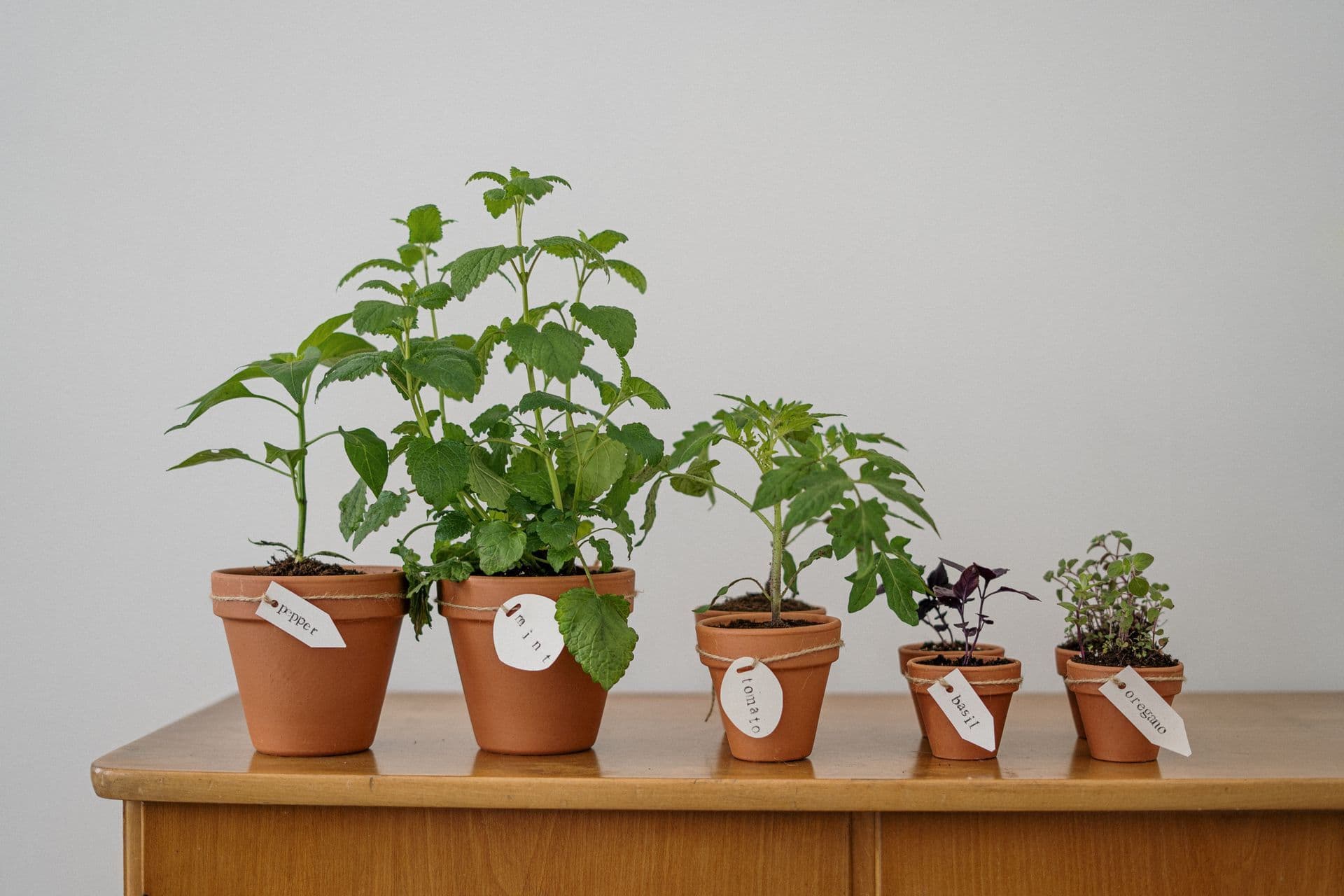
Flowers, bushes, and other flora are nice decorations that harmoniously fit into any space. They also play a useful role, producing oxygen, improving overall well-being, and positively impacting mental health. But only if they are properly cared for.
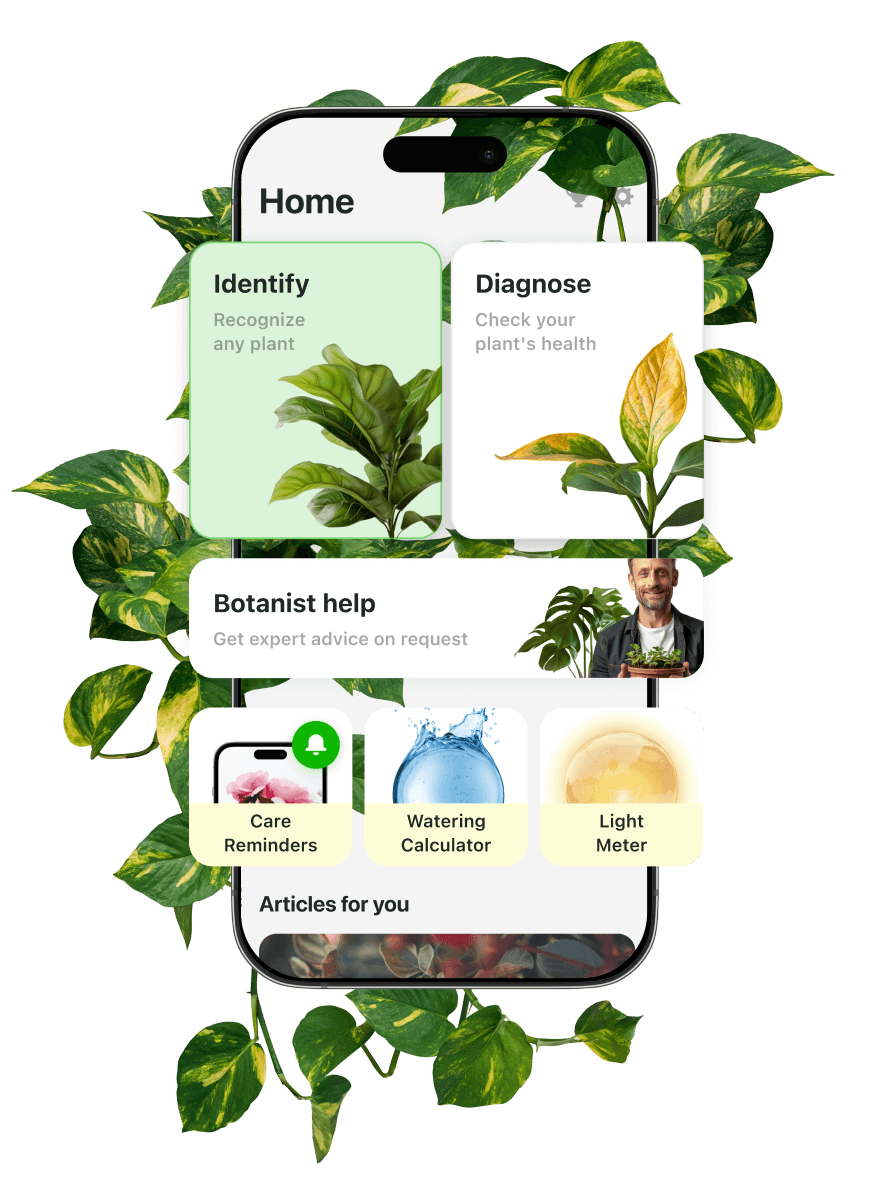
What are the most important plant needs so that they not only survive, but also grow well and stay healthy? In fact, it doesn’t take much: only monitoring light, humidity, nutrients, air in the space, and soil quality using Botan.
In this guide, we’ll tell you about every aspect of plant care and share some practical tips to help your greenery thrive during all seasons.
5 Things Plants Need to Grow
Plant growth and health depend on 5 basic needs: light, water, nutrients, air, and soil. Moreover, this applies to both indoor and outdoor greenery. If one of these factors is ignored, the greenery begins to get sick, its growth slows down, and it may even die. So, if you want to have a green corner at home, it’s important to meet every need of your flora properly.
Needs may vary depending on the plant type. For example, sun-loving cacti do not grow well in humid conditions, which are good for tropical flora. And, conversely, rainforest greenery cannot survive in the desert where cacti thrive. However, there are still some patterns in the needs of plants, which we will explore below in detail.

Keep Plants Thriving
Get simple care guidance tailored to each plant’s needs in the app
1. Light: the Engine of Plant Growth
Almost all flora on Earth needs light to survive. For them, it is the energy source for photosynthesis, the process by which greenery uses light to convert carbon dioxide and water into energy in the form of glucose. It is this energy that the plant needs for growth, flowering, and seed production. In simple words, trees, bushes, flowers, and other flora use light to produce their own food.
Provide just the right amount of light, as its deficit leads to weakness and dying, while surplus dries out.
Low-light Plants
Some greenery, including dracena, English ivy, and lady palm, thrives better in the shade. They are biologically adapted to low light due to higher chlorophyll content, which helps the greenery absorb light more effectively. In the wild, these slow-growing plants usually meet in the shade beneath trees, shrubs, and other large greenery. Inside, it’s best to place them on a windowsill facing north or in a dark corner.
Sun-loving Plants
Sunlight is the most important thing plants need to grow, especially for sun-loving greenery, such as lavender, cacti, succulents, hibiscus, jasmine, basil, and orchids. These types thrive in brightly lit areas: deserts, open fields, balconies, and south or southwest-facing windowsills.
Low-light greenery is mainly used for decorative purposes due to its foliage, while sun-loving types are commonly planted for their flowers, seeds, and fruits.
2. Water: How Much Is Enough?

Water is another essential element related to the “What do plants need to survive?” question. It plays a key role in photosynthesis, cooling, greenery structure, and the transport of nutrients and sugars.
After rain or artificial watering, the roots absorb moisture along with all the necessary nutrients from the soil, which then travels through the stems to the chloroplasts in the leaves. It is precisely this flow of fluid through the cells that allows the plant to stand firmly and ensures healthy growth.
When answering “What do plants need?”, remember that the exact amount of water depends on the greenery type and the season. Most plant watering guidelines say that in winter, you can leave your houseplants without watering for 1-2 weeks.
In summer, they need moisture more often as they dry out faster due to high temperature conditions. It’s important to prevent both overwatering and underwatering. In both cases, it can cause problems with the plant.
3. Nutrients: What Plants Actually Feed On
Macronutrients are the plants’ food that is essential for growth and maintaining health, from the roots to the leaves, flowers, and fruits. They include nitrogen, calcium, potassium, vitamins, and other elements.
If there aren’t enough macronutrients in the soil, the plant begins to suffer. The table below clearly illustrates how a deficiency of a particular element affects the flora.
Macronutrient | Symptoms of a deficiency |
Nitrogen (N) | Light green leaves, wilting, and yellowing of the edges. Slowing growth. |
Calcium (Ca) | Darkening of the leaf margins, often observed on new shoots or on the lower part of the fruit. As the disease progresses, brown dead spots appear. |
Iron (Fe) | Yellowing between leaf veins on new growth. |
Magnesium (Mg) | Yellowing between leaf veins that first appear on the lower and middle leaves. |
Potassium (K) | Brown scorching, curling of leaf tips, yellowing between leaf veins, and purple spots on the leaf undersides. |
Sometimes it’s difficult to find out exactly which element is lacking just by looking at your flower or other flora, because the symptoms are similar. In this case, an app that tells you what your plant needs can help.
4. Air: The Role of CO₂ and Oxygen in Plant Growth
Air is just as important for plant health as it is for human health. Greenery extracts carbon dioxide from the air to use it for photosynthesis and the breakdown of sugars, which are necessary for nourishment. In this case, oxygen is a byproduct of photosynthesis.
Without air, the plant cannot produce its own food and dies. Therefore, ventilate the room regularly, along with providing optimal humidity, which is essential too. If the air is too dry, leaves begin to dry out and develop brown spots, while during high moisture, the greenery starts to rot, mold, and develop fungi.
5. Soil: the Foundation of Healthy Growth

Soil serves as a support for roots, provides all necessary nutrients, and helps maintain a proper balance of water and air. When growing plants on your windowsill or in your yard, it is important to ensure good drainage, the ability of water to pass through the soil.
If the pot lacks holes to allow excess water to drain, the roots are submerged in water and may begin to rot. Conversely, if the soil dries out too quickly, the plant may wilt.
A pH level is another significant factor in soil fertility. Its level affects a plant’s ability to absorb nutrients. The soil with a pH level below 7 becomes acidic, while a pH above 7 indicates an alkaline environment.
If it is too high or too low, the greenery may not receive enough of the necessary nutrients. The good news is that the pH level can be adjusted using special fertilizers.
It is important to choose the soil for your plant in which it thrives, because no one type is equally suitable for everything. The table below will help you with this.
Soil Type | Key Properties | Best for |
Sandy soil | Сonsists mainly of sand with a small amount of clay. Contains few nutrients. It is light and granular. After rain or manual watering, it drains quite quickly due to high water permeability. | Lavandula, cacti, succulents, Verbena, and Berberis. |
Contains over 25% of clay. It holds nutrients better than the sandy soil, which is why it is potentially fertile. But at the same time, it tends to retain a lot of water. | Mahonia, Hydrangea, Rosa, Sorbus aria ‘Lutescens’, hardy geraniums. | |
Silt soil | Fine-textured and light soil consists mainly of organic matter and retains moisture well. Thanks to these properties, it is considered very fertile. | Sunflowers, potatoes, carrots, beans, lettuce, cardinal flowers, and ferns. |
Chalky | Contains calcium carbonate as the main component. It is well-drained but high alkaline. Such a soil type is generally of low fertility. | Ceanothus, Rhododendron, Clematis, Dianthus, Geranium, Lavandula. |
To ensure a balanced environment for plant growing, it is worth thinking about a special potting mix. In garden centers, you can find bags with ready-made compost mixes specifically suitable for certain types.
Signs Your Plant Isn't Getting What It Needs
Plants can get sick not only due to pests. Often, they lack something, whether it is water, light, nutrients, or proper environmental conditions. You can find out what exactly your greenery needs by the visible signs below:
- Poor growing – often caused by old or fungus-infected seeds, lack of light or fertilizer, as well as by too hot, cold, or humid air.
- Yellowing – such coloration appears due to insufficient light, as well as deficiency of potassium, nitrogen, or magnesium. High air temperatures and over-fertilization can also change the plant color.
- Weak streams or dead leaf tips and margins – happens due to over-fertilizing or lack of water.
- Leaf fall – lack of light, as well as cold temperatures, over-fertilization, and frequent watering are the main reasons for this problem.
- Leaf wilting – often caused by overwatering, insufficient moisture, over-fertilization, or cold temperatures.
Even considering the signs and their causes, it can be difficult to determine what the plant is actually lacking. In such cases, modern AI technologies can identify a plant's problem with 98% accuracy. It is the fastest and easiest way to get an answer and understand the situation.
FAQ
Yes. Greeneries don’t necessarily need soil to grow. They can thrive on light, water, air, and nutrients alone.
Dariia Plaksina
Botanist
5 years of botanical research experience
Dariia Plaksina is a biologist, botanist, and writer of informational articles with over 5 years of experience exploring the world of plants, nature, and biology. She studied at Taras Shevchenko National University of Kyiv, Educational and Scientific Center “Institute of Biology and Medicine,” where she built a strong scientific foundation for her future work.
For Dariia, writing is a hobby, a calling, and a way to make reliable knowledge easier to understand. Her articles focus on plant care, plant health, and natural processes, helping readers learn more about the living world through clear, accessible, and science-based explanations.
Related Articles
.jpg&w=2880&q=75)
8 min read · 10 Sept 2026
10 Easy Garden Flowers to Grow
Discover 10 garden flowers that require minimal care. Learn which characteristics make plants easy to grow and follow tips on how to create a beautiful corner from beginner-friendly blooms on your property.
5 min read · 4 Sept 2026
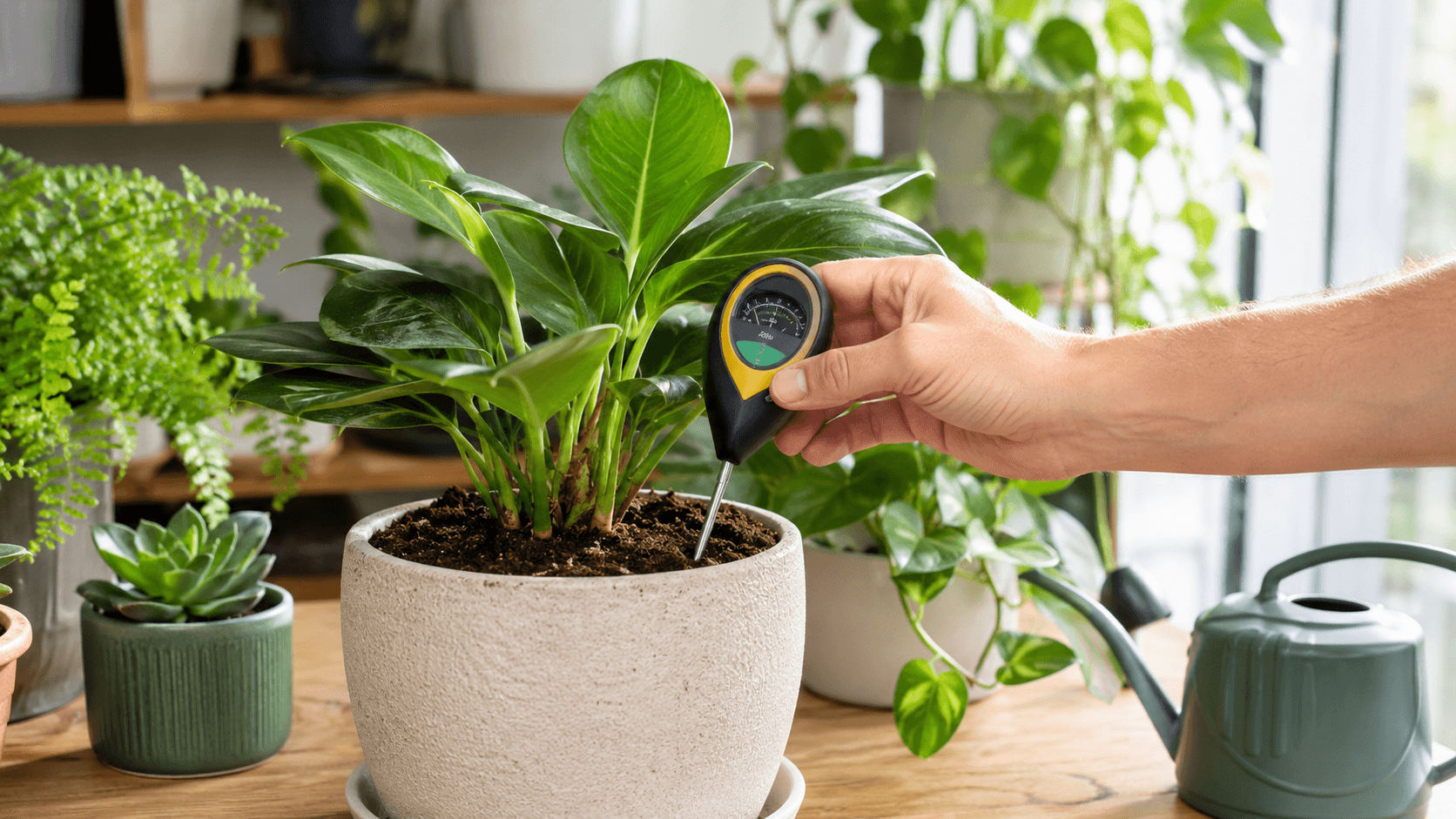
How to Use a Moisture Meter for Plants
Watering by feel kills plenty of houseplants. A moisture meter checks the soil for you, and takes the guesswork out of it. This guide will show you how to use it correctly, from the first touch to the final reading.
7 min read · 20 Aug 2026
Plant Pot Sizes: How to Choose the Right Plant Container
Plant pot sizes can be confusing because the number on the label only tells you part of the required information. A container may look spacious but actually be too shallow. So, how to choose pot size for plant species?
Explore Plants by Care Needs
_(49532732922)-2-200x133.webp) POPULAR
POPULARBlack bat flower
Tacca chantrieri
 POPULAR
Ming aralia
Polyscias fruticosa
 POPULAR
Artillery plant
Pilea microphylla
 POPULAR
Ladyfinger Cactus
Mammillaria elongata
 POPULAR
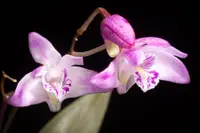
Pink Rock Orchid
Dendrobium kingianum
 POPULAR
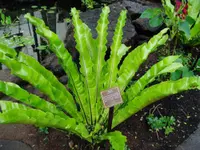
Japanese bird's-nest fern
Asplenium antiquum
 POPULAR
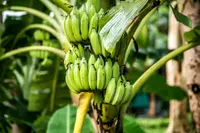
Japanese banana
Musa basjoo
 POPULAR
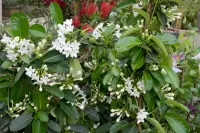
Madagascar jasmine
Stephanotis floribunda
Identify the plant and problem. Help your plant recover
Identify plant problems early, understand what's wrong, and get clear care guidance. Botan helps you turn guesswork into confident plant care