


Tara (Tara spinosa) Light Needs

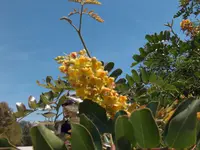
Tara grows best in full sun, with several hours of direct light each day and open, bright exposure.

Light Preference

Full Sun

Tara spinosa Light Requirements

Tara spinosa is native to dry Andean valleys of western South America, where it grows on open slopes, rocky ground, and seasonally dry sites. These habitats receive strong sunlight, clear skies, and limited overhead shade for much of the year.

In cultivation, that background translates to a high-light plant that can handle direct sun once established, especially outdoors. It prefers full sun.

  • Ideal exposure:

    Tara spinosa needs about 6–8 hours of full sun daily, including at least 6 hours of direct sun outdoors.

  • Established sun:

    Mature plants tolerate strong direct sun, but recent transplants benefit from gradual exposure over 1–2 weeks.

  • Partial sun:

    Partial sun is tolerated, especially 4–6 hours of direct light, but growth may be less dense.

  • Shade limits:

    Shade is not suitable because weak light leads to thin growth and poor flowering.

Strong sun is usually tolerated, but sudden or reflected heat can cause stress.

Pale patches:

Sun-exposed leaflets may develop tan or whitish areas after an abrupt move into intense direct light.

Crisp exposed tips:

The most exposed leaflet tips can dry while shaded inner growth remains normal.

Midday folding:

Leaflets may fold or look dull during harsh afternoon heat, especially in containers or against walls.

Uneven scorch:

Damage often appears on the sun-facing side rather than evenly across the canopy.

Shift the plant away from reflected heat or give light afternoon filtering. Reintroduce stronger sun gradually over 1–2 weeks.

Low light is not a good fit for this species. Tara spinosa shows reduced vigor when shade is persistent.

  • Stretched shoots:

    New stems may become longer and thinner as they search for stronger light.

  • Wider spacing:

    Leaves can sit farther apart, giving the canopy a sparse, open look.

  • Leaning growth:

    Young growth may angle toward the brightest side of the site.

  • Fewer flowers:

    Flowering and seed pod production may be limited when direct sun is too brief during active growth.

Move it to a brighter outdoor position with more direct sun. Avoid deep shade as a long-term location.

If full sun is not available, choose the brightest outdoor site with at least 4–6 hours of direct light. Treat this as a compromise, not a shade setup.

Prune or move nearby obstacles that cast long midday shade, and rotate container-grown plants every few weeks for even exposure.

Deep shade under dense cover is unsuitable because it weakens growth and reduces flowering.

Get Personalized Care Plan

Scan your plant to receive care tips personalized for your specific plant

FAQ

The best light for Tara is full sun, ideally an open outdoor position with bright exposure for most of the day. Partial sun is tolerated, but deep shade is not suitable.

More Plant Light Guides

Get the Botan App

Discover how to care for your plants with Botan.

Botan app identifying a plant with a phone camera
Top 15 Fast-Growing Trees For Your Garden

13 min read · 28 Jul 2026

Top 15 Fast-Growing Trees For Your Garden

Learn which of the 15 fastest-growing trees will suit your area. We’ll share detailed information on each: growth rate, mature spread, key tree demands, and main vulnerabilities. Read on and make the best choice possible.

Plant Recommendations
Top 15 Fast-Growing Trees For Your Garden
How to Water Houseplants: Watering Guide

7 min read · 24 Aug 2026

How to Water Houseplants: Watering Guide

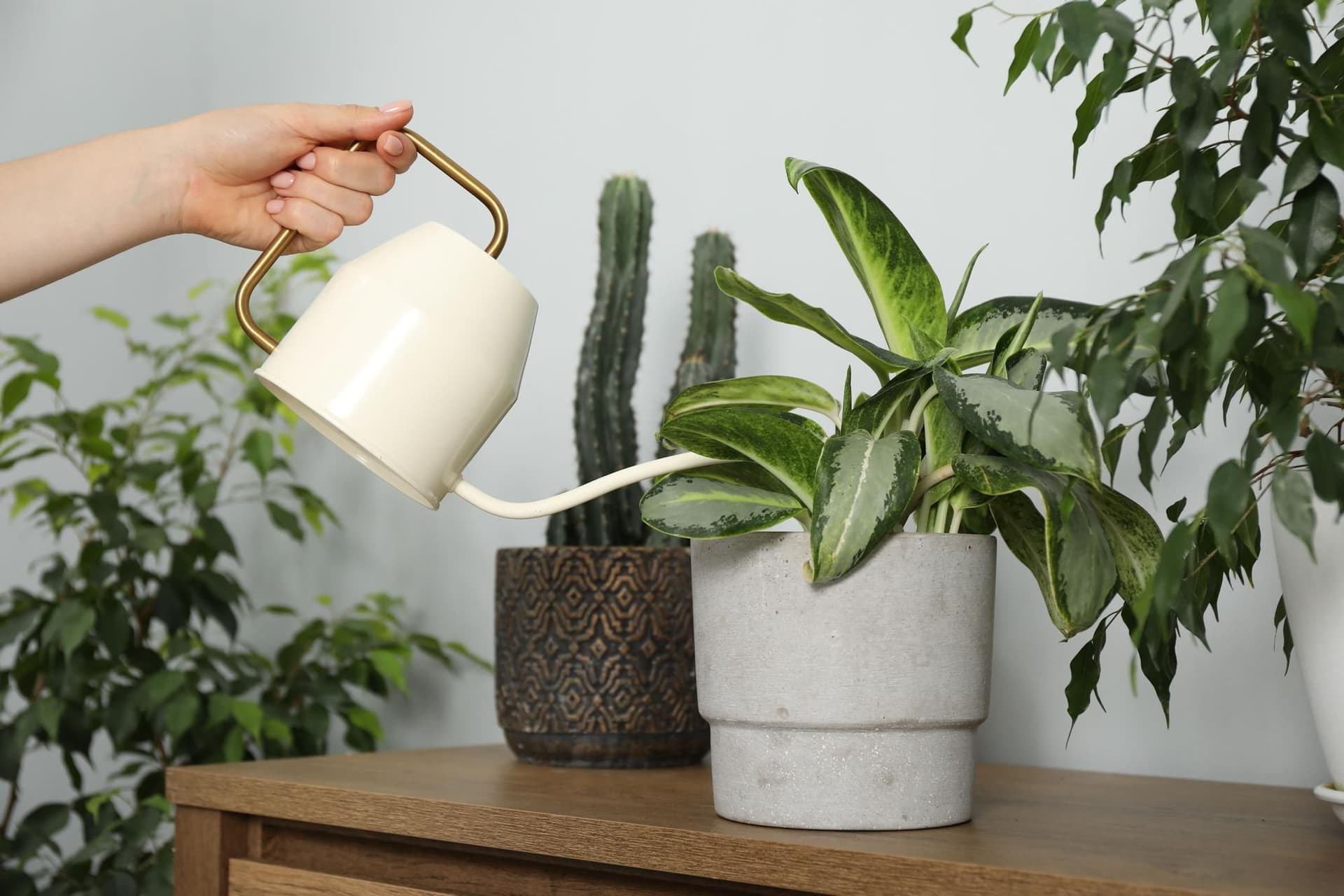
Learn how often to water indoor plants, key factors for proper watering, and how to adjust the care routine by plant type, season, pot size, light, and indoor conditions.

Plant Care
How to Water Houseplants: Watering Guide
What Plants Don't Like Epsom Salt?

11 min read · 29 Jul 2026

What Plants Don't Like Epsom Salt?

Learn which plants can be seriously damaged by Epsom salt and which will thrive on it. We’ll explain when and how to use it properly, provide tips for indoor & outdoor plants — read on and enjoy a healthy garden.

Plant Care
What Plants Don't Like Epsom Salt?