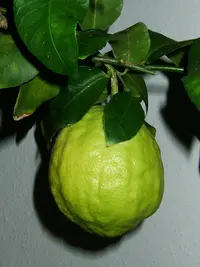


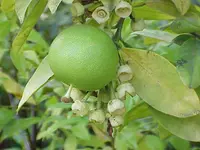


citron (Citrus medica) Light Needs

citron grows best in full sun, with several hours of direct sunlight and bright exposure throughout the day.

Light Preference

Full Sun

Citrus medica Light Requirements

Citron has long been cultivated in warm subtropical climates, where trees grow in open sites with strong sun and long bright seasons rather than shaded forest. Young plants may receive brief filtered light, but mature growth is adapted to exposed conditions.

In cultivation, this translates to a bright, sunny position with protection only during sudden moves into harsher sun. Preferred light is full sun.

  • Ideal exposure:

    Citrus medica needs about 6–8 hours of full sun or very bright light daily, including 4–6 hours of direct sun.

  • Acclimated direct sun:

    Established outdoor or container-grown plants tolerate full sun well when exposure increases gradually.

  • Partial sun limit:

    In 4–5 hours of sun, growth can continue, but flowering and fruiting are often reduced.

  • Hot afternoon sun:

    Strong afternoon sun is usually acceptable after acclimation, but sudden exposure can scorch leaves formed in lower light.

Indoors, citron needs the brightest window available and should stay close to the light source.

NPoor
North-facing window:

A north window is usually too dim for strong growth, flowering, or fruiting without supplemental light.

ESuitable
East-facing window:

Use an unobstructed east window if it provides direct morning sun and bright light for the rest of the day.

SBest
South-facing window:

Place within 1–3 ft of an unobstructed south window for the strongest indoor light, with heat protection if leaves press against hot glass.

WSuitable
West-facing window:

A west window can work when the plant is acclimated to stronger afternoon sun and kept close to the light.

Rotate the pot regularly because indoor sun usually reaches only one side of the canopy.

Strong sun usually causes problems after a sudden move from dimmer conditions or during very hot afternoon exposure.

Bleached patches:

Leaves may develop pale tan or whitish areas on surfaces facing the strongest sun.

Papery scorch:

Exposed leaf tissue can turn dry and papery after a sudden move into intense direct sun.

One-sided damage:

Marks often appear only on the sun-facing side, while shaded leaves remain mostly unchanged.

Fruit rind scald:

Exposed fruit may show sunken or discolored patches during hot, intense sun.

Move it to bright filtered light for several days, then reintroduce direct sun gradually. Keep the sunniest exposure for acclimated growth.

Low light is not suitable for long-term growth. The first signs often appear in new stems and reduced flowering.

  • Stretched stems:

    New shoots may become longer, thinner, and more widely spaced than growth made in stronger light.

  • Leaning canopy:

    Branches may angle strongly toward the brightest side instead of growing evenly around the plant.

  • Few flowers:

    Low light often reduces flowering, which also limits the plant’s ability to set fruit indoors or in containers.

  • Small new leaves:

    New leaves may stay smaller and lighter in color when light is too weak for active growth.

Move the plant to a brighter position with direct sun, increasing exposure gradually if it has been in shade. Judge improvement by new growth, not older leaves.

If full sun is limited, choose the brightest position available and aim for at least 4–6 hours of direct sun. A spot with only bright shade is a poor long-term compromise.

Rotate the container every 1–2 weeks so all sides receive strong light, especially when the light comes from one direction.

Filter sudden harsh afternoon sun with a sheer curtain or brief shade during acclimation, then remove the filter as new growth adjusts.

Get Personalized Care Plan

Scan your plant to receive care tips personalized for your specific plant

FAQ

This species grows best in full sun, with about 6–8 hours of bright exposure daily and 4–6 hours of direct sun when possible. Weak light often limits compact growth and flowering.

More Plant Light Guides

Get the Botan App

Discover how to care for your plants with Botan.

Botan app identifying a plant with a phone camera
12 Most Wanted Rare Houseplants to Grow at Home

6 min read · 21 Sept 2026

12 Most Wanted Rare Houseplants to Grow at Home

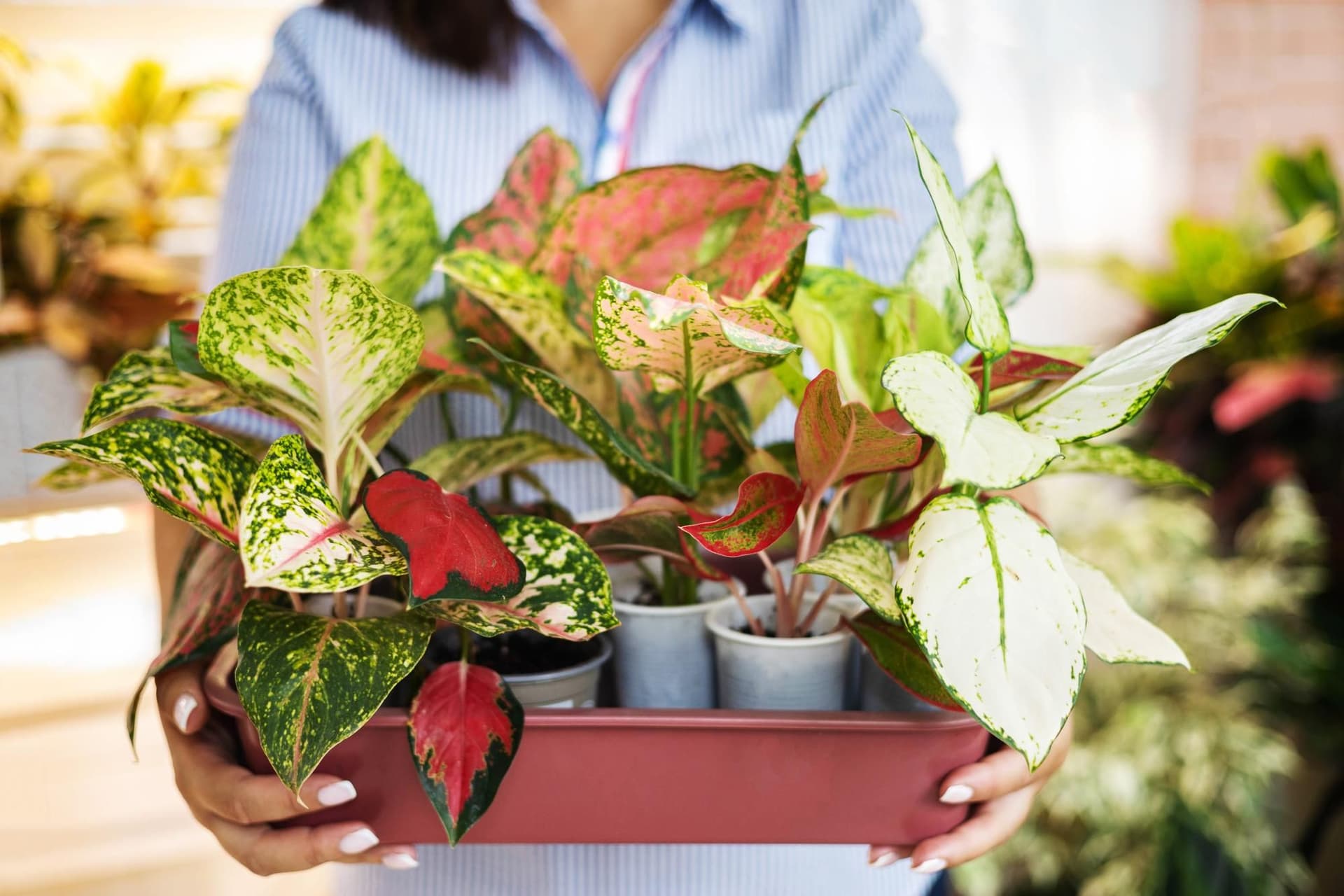
Rare houseplants can turn an ordinary corner in your apartment into a living botanical collection. This guide covers 12 most admired picks, what makes them special, and how to grow them successfully at home.

Plant Recommendations
12 Most Wanted Rare Houseplants to Grow at Home
Dill Companion Plants – What to Grow Next to Dill

9 min read · 17 Jul 2026

Dill Companion Plants – What to Grow Next to Dill

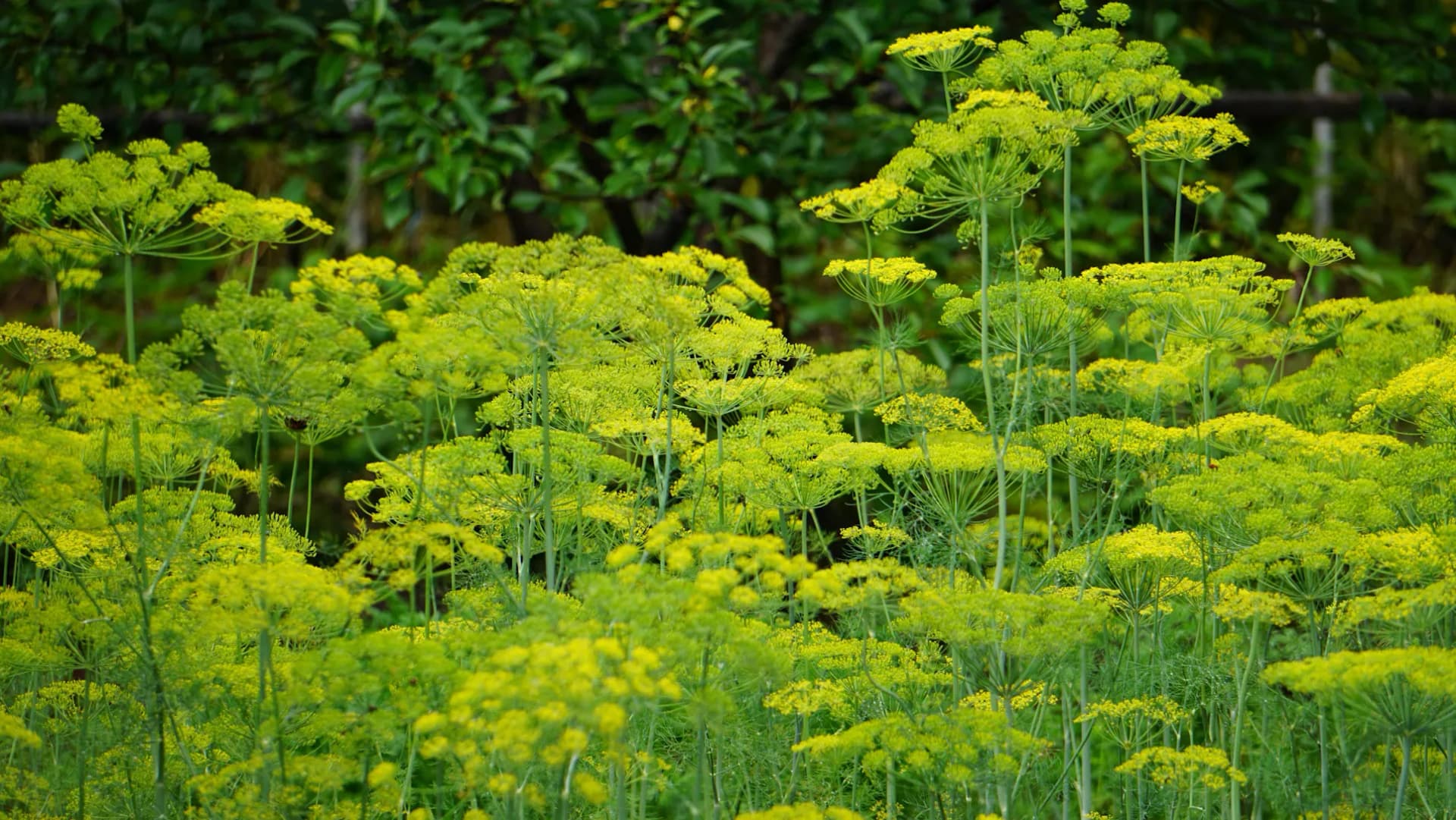
Dill is an easy-to-grow plant that gets along well with many vegetables. This guide describes 15 plants that can be planted alongside it, a few to avoid, and mistakes that can quietly sabotage the entire process.

Plant Recommendations
Dill Companion Plants – What to Grow Next to Dill
When to Plant Hydrangeas: Best Time by Season and Type

6 min read · 30 Oct 2026

When to Plant Hydrangeas: Best Time by Season and Type

Hydrangeas grow best when you plant them in cool weather. This guide explains when to plant hydrangeas in your area, compares fall and spring planting seasons, and shows the right steps for each type.

Beginner Guides
When to Plant Hydrangeas: Best Time by Season and Type