

Japanese maple (Acer palmatum) Light Needs

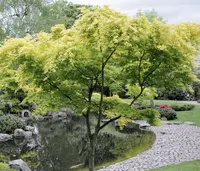
Japanese maple grows best in partial sun or filtered light, with protection from harsh afternoon sun.

Light Preference

Partial Shade

Acer palmatum Light Requirements

Japanese maple is native to woodland edges, slopes, and understory openings in Japan, Korea, and parts of China. In these habitats, young trees often receive filtered light through taller canopy plants, with stronger seasonal sun where forest edges open.

Cultivated plants follow the same pattern: enough light supports dense branching and good leaf color, while afternoon heat can scorch fine foliage. Preferred light is partial sun or filtered light.

  • Ideal exposure:

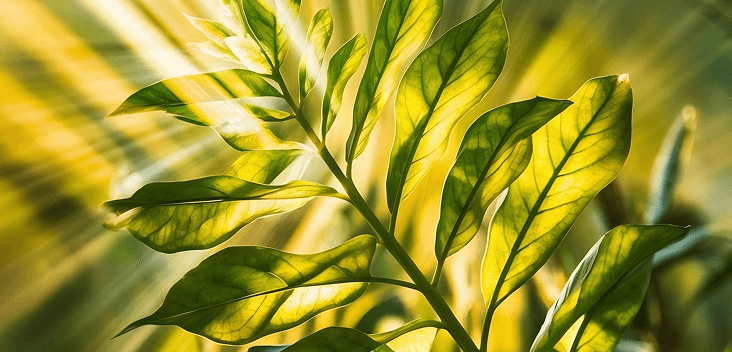
    Japanese maple needs about 6–8 hours of partial sun or filtered light daily, including 2–4 hours of gentle direct morning sun.

  • Direct sun tolerance:

    It can handle more direct sun in cool climates, but afternoon sun above 85°F increases scorch risk.

  • Shade tolerance:

    Light shade is tolerated, though deep shade often produces thinner branching and duller leaf color.

  • Morning preference:

    East-facing or open morning exposure is safer than hot western exposure, especially in summer.

Excess light usually appears after hot afternoon exposure or a sudden move into stronger sun.

Scorched lobes:

Leaf tips and outer lobes may turn tan or papery, especially on the sun-facing side of the canopy.

Bleached patches:

Red or green leaves may develop pale, washed areas where direct sun hits most intensely.

Curled leaves:

Thin leaves may curl or cup during bright heat, even before permanent scorch appears.

Outer-canopy damage:

Damage is often worst on exposed upper and western branches, while shaded inner leaves look healthier.

Move the plant into afternoon shade or add filtered light during the hottest part of the day. If increasing sun later, acclimate Acer palmatum gradually over 1–2 weeks.

Low light mainly affects shape, density, and color during the active growing season. Acer palmatum can survive some shade, but deep shade weakens growth over time.

  • Stretched shoots:

    New stems may grow long with wider spacing between leaf pairs as they reach toward brighter areas.

  • Leaning growth:

    The canopy may tilt toward the open sky or the brightest side of the garden.

  • Smaller leaves:

    New leaves may be smaller than expected, with thinner growth at branch tips.

  • Weaker leaf color:

    Red-leaved forms may look greener in too much shade because less light supports less pigment.

Shift the plant to brighter filtered light or a site with gentle morning sun. Avoid moving it straight from deep shade into hot afternoon sun.

When ideal partial sun is not available, choose morning sun with afternoon shade instead of all-day shade or hot late-day exposure.

Improve a dim site by removing temporary shade, raising an overhead shade cloth, or choosing the brightest spot that still avoids afternoon sun.

A fully exposed west or southwest wall is usually unsuitable because stored heat and direct afternoon sun increase leaf scorch risk.

Get Personalized Care Plan

Scan your plant to receive care tips personalized for your specific plant

FAQ

The best light for Japanese maple is partial sun or filtered light, usually with morning sun and protection from harsh afternoon exposure in warm regions.

More Plant Light Guides

Get the Botan App

Discover how to care for your plants with Botan.

Botan app identifying a plant with a phone camera
How to Increase Humidity for Plants – 8 Simple Ways That Work

8 min read · 14 Aug 2026

How to Increase Humidity for Plants – 8 Simple Ways That Work

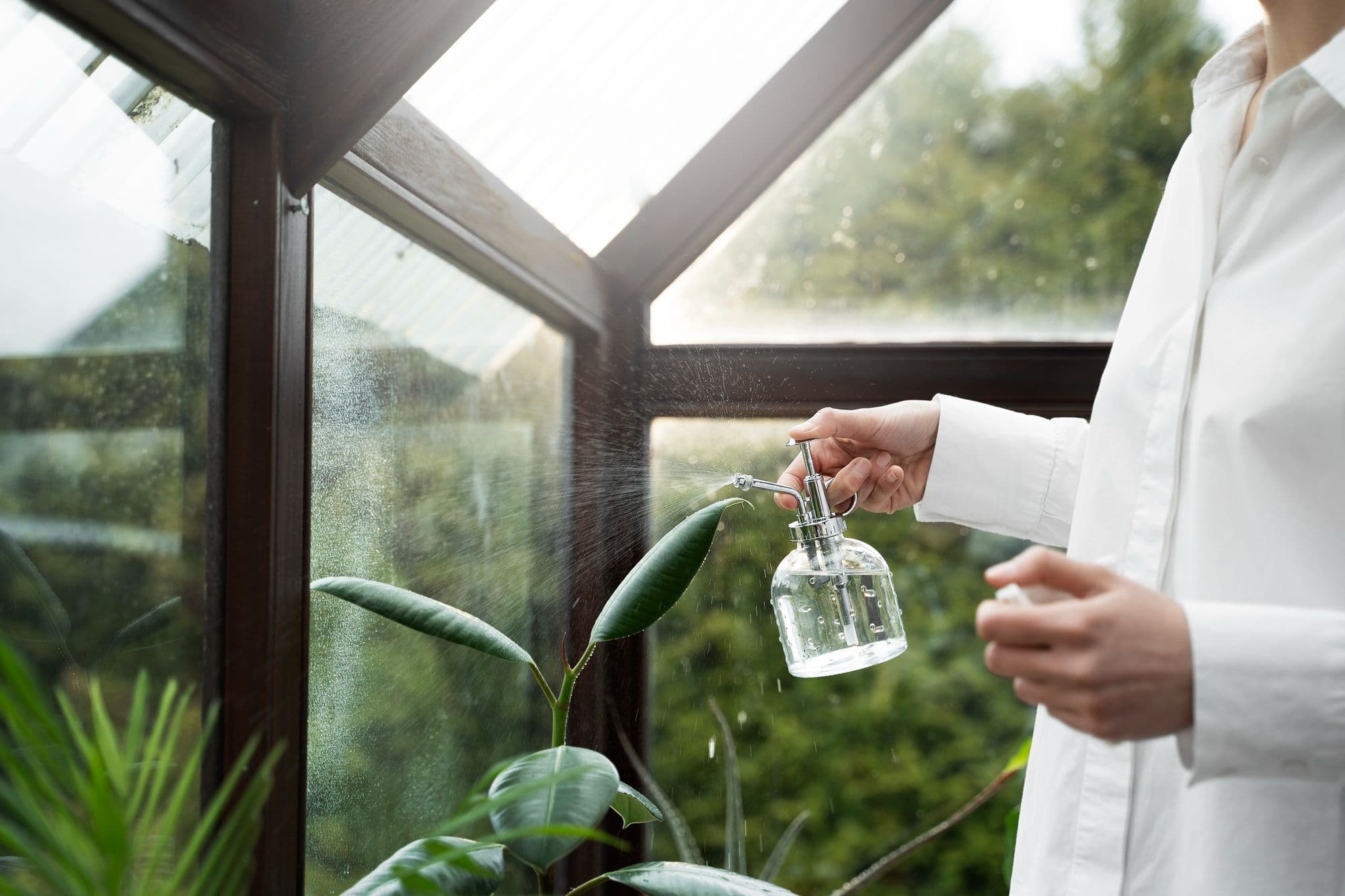
Dry indoor air stresses a lot of houseplants. You usually notice it first in the browning leaf tips. This guide describes 8 simple ways to raise the moisture around your plants, from humidifiers to pebble trays.

Plant Care
How to Increase Humidity for Plants – 8 Simple Ways That Work
How to Repot a Plant: A Step-by-Step Guide

7 min read · 28 May 2026

How to Repot a Plant: A Step-by-Step Guide

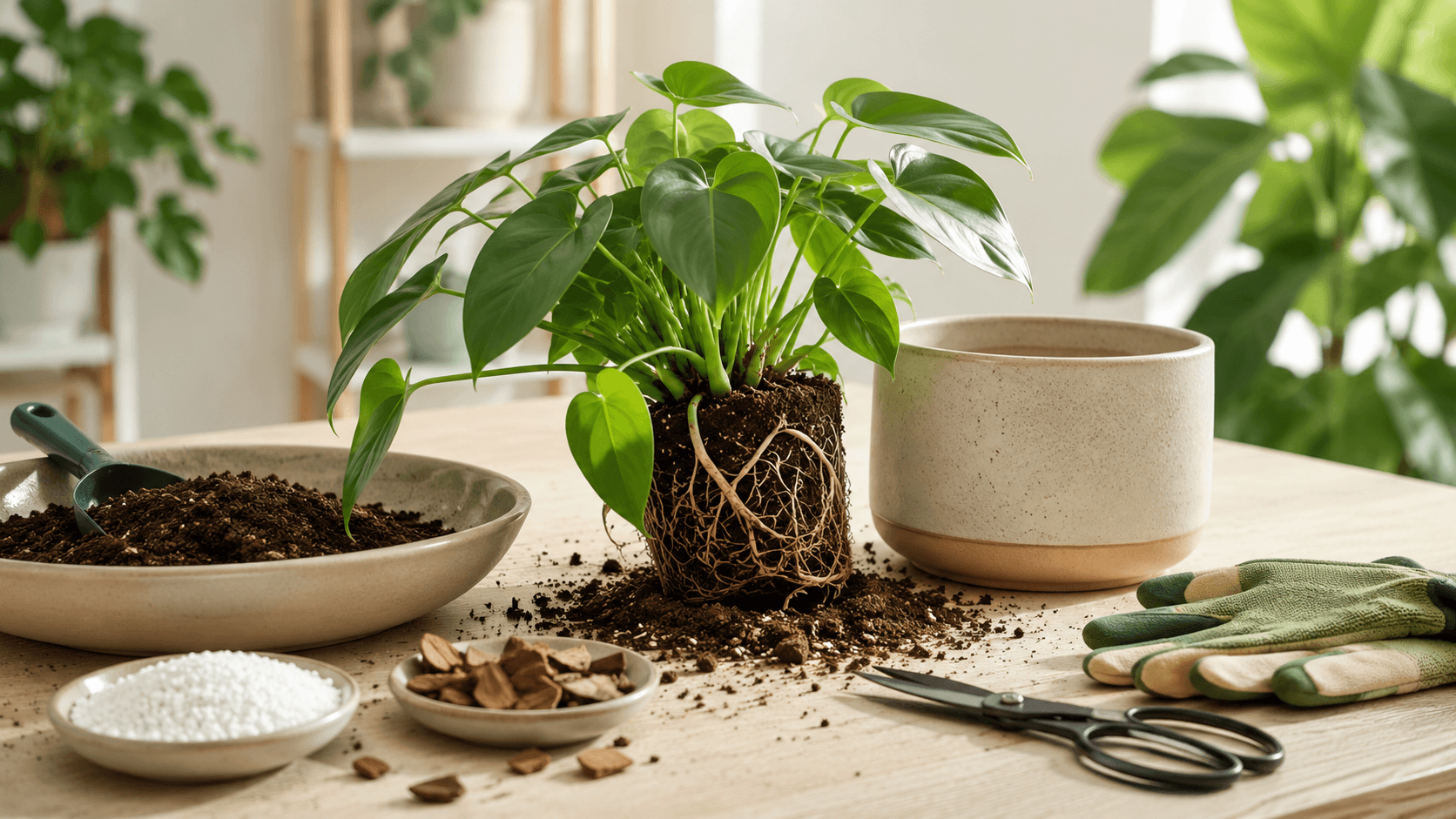
In spring, many plants need repotting—an essential part of care. To avoid stress, consider the plant’s type and size. This article offers a step-by-step guide for repotting indoors or outdoors and shows how to check plant health and get care tips using the Botan app.

Plant Care
How to Repot a Plant: A Step-by-Step Guide
How to Mist Plants – Proper Technique and Common Mistakes

7 min read · 30 Jul 2026

How to Mist Plants – Proper Technique and Common Mistakes

Find out when misting works well and when to avoid it. Here, you’ll find detailed information about compatible and incompatible species, tips on how often to mist plants and do it correctly, and some great alternatives for raising humidity.

Beginner Guides
How to Mist Plants – Proper Technique and Common Mistakes