Best Time to Mow Lawn – A Complete Guide
Explore when to mow your lawn for its health and a pleasant green color. Find out the best time for this task during the summer heat, and follow practical tips for correctly cutting the grass, and learn common mistakes to avoid.

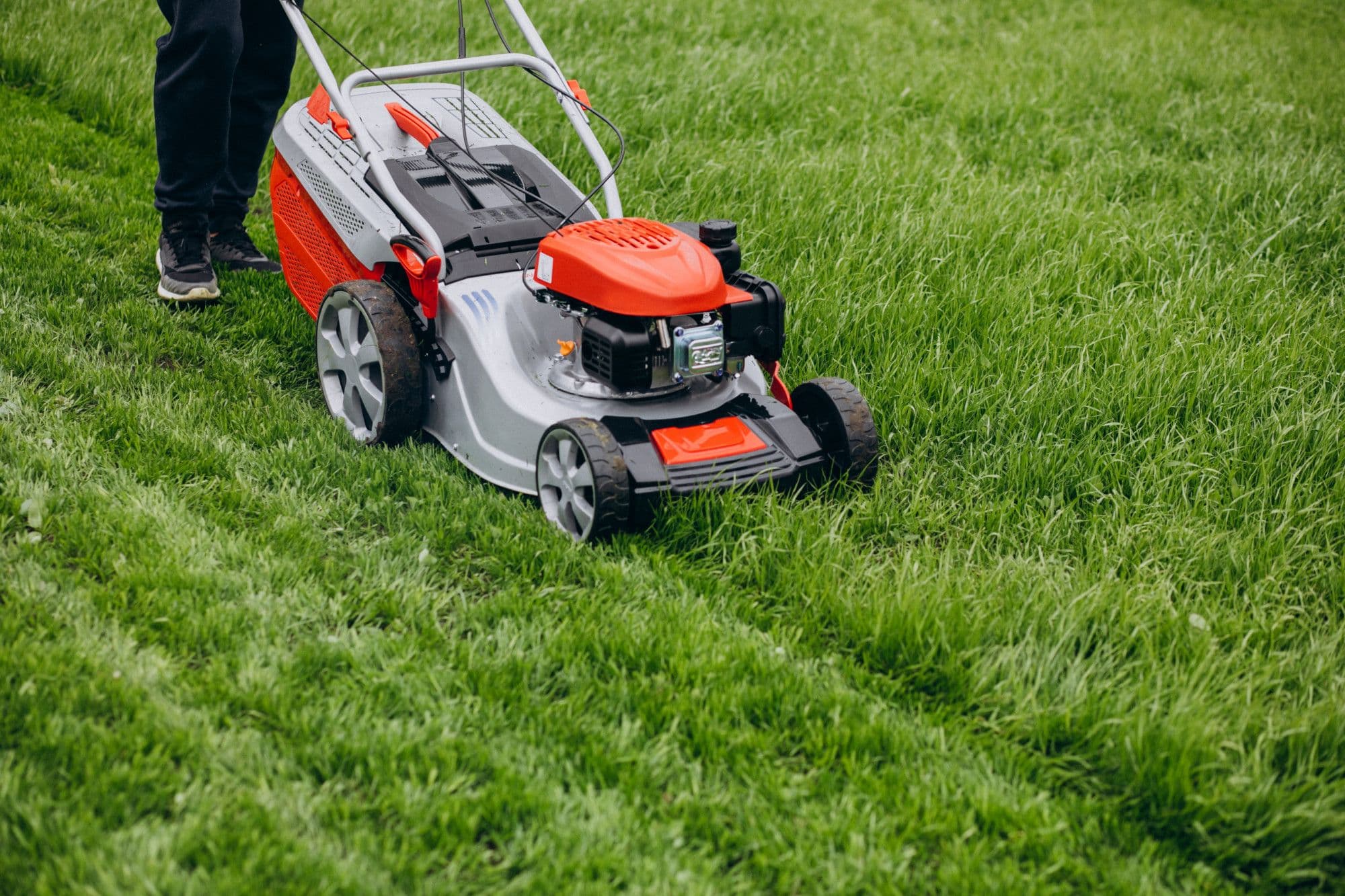
In summer, the grass near your cottage requires special care. In addition to following tips from Botan, you should know the best time to mow the lawn because the green color of plants and their health depend on it.
Morning and evening are best for trimming the grass. In this guide, you’ll find out more about correct lawn mowing, how to adjust care during summer heat, and what to avoid.
What Is the Best Time to Mow the Lawn?
According to Iowa State University data, the best time to cut grass is in the morning or evening after the lawn is already dry from the dew and temperatures are not so high. It may be between 6 a.m. and 8 am. or between 4 p.m. and 6 p.m. This approach ensures a clean and even cut without causing heat stress to the plants.
If you cut the lawn when it is wet, the grass clippings stick to the blades and clog the grass catcher, causing the engine to work harder. Mowing the lawn at midday, in turn, can cause a lot of stress for the greenery, which manifests as yellowing or drying leaves.
So, pick up the lawn mower in the morning after drying out the plants from dew, or wait until the heat begins to drop in the afternoon.
Mowing Time Comparison: Pros and Cons by Hour
To better understand the answer to the question “When is the best time to cut grass?”, explore the pros and cons of trimming the lawn during different times of day.
Time of day | Pros | Cons |
Early morning (6-9 AM) | Temperatures are usually cool, so the risk of heat stress is low. | The grass may still be wet. |
Mid-morning (9-10 AM) | The lawn is dry from the dew. | During the hottest days (95°F (35°C) and higher), it can be uncomfortable. |
Midday (11 AM-3 PM) | The lawn is typically dry. | The lawn and people can both experience heat stress. |
Late afternoon/Evening (4-6 PM) | Temperatures become cooler, providing comfortable mowing. The grass has time to recover overnight. | During hot weather, the plants can still remain overheated. |
So, answering the question “What is the best time to mow the lawn?”, we can say that both morning and evening are suitable for Korean lawngrass or other species, but the exact timing should be adjusted depending on the weather conditions.
Don’t know when to mow the lawn?
Scan the grass with Botan and receive the right care

Keep Plants Thriving
Get simple care guidance tailored to each plant’s needs in the app
Best Time of Day to Mow Lawn in Hot Weather
During hot summer days, lawn growth becomes harder because the dry weather with extremely high temperatures is stressful for any species from the ornamental plants list or other sources. The grass loses moisture quicker than its roots absorb it. The soil also becomes dry, hindering root function and slowing plant growth.
So, the lawn requires adjusting the mowing time during heat. Instead of trimming the Bermudagrass or other warm-season species in the middle of the morning or toward evening, do it in the early morning after the dew or later in the evening. This is the best time of day to mow the lawn in hot weather to save the health of the grass.
4 Tips for Mowing Your Lawn the Right Way
In addition to using tools to identify grasses online and receive care tips, as well as knowing the good time to mow the lawn, it’s significant to keep in mind the technique of cutting the grass, as the plant's health and visual appearance depend on it.
1. Raise the Mowing Height

If the grass is tall, its root system is more extensive and embedded in the soil. This means that it can absorb more water and useful nutrients at greater depth. In addition, the taller grass creates a shadow that protects the soil from moisture evaporation, as well as ensures a reduction in the number of weeds and diseases.
Iowa State University shares information that the optimal mowing height during the summer days is from 3 to 3.5 inches.
2. Follow the One-Third Rule

This rule means not to cut more than one-third of the grass height at once. Let your lawn grow to a height of 4.5 inches. Only then mow it. Lawns mowed to this height look smoother and neater.
If you make the lawn too short, it can weaken the grass, make it prone to yellowing when exposed to extremely high temperatures, and be overrun by weeds.
3. Keep Mower Blades Sharp

It’s significant for each homeowner to keep mower blades sharp. In this case, they ensure a neat cut and uniform appearance of the lawn. Dull blades tear grass tips, which in turn leads to stress, water loss, susceptibility to diseases, and lawn discoloration.
4. Time Watering Around Mowing

As we described above, moving a wet lawn is not recommended. However, you can slightly water the grass in summer if it is too dry and wait a little while until the surface dries before mowing. Otherwise, water after mowing or postpone the lawn trimming until another day.
What to Avoid When Mowing
To summarize everything described above, we’ve put together a list of things to avoid:
- Mowing wet grass. It can lead to sticking cut leaves to blades, clogging the grass catcher, and creating ruts in the ground.
- Mowing in midday during hot summer weather. It adds additional stress to the lawn, causing it to yellow and dry.
- Cutting more than one-third. This causes stress for the plants, which is evident in grass tips drying out and their overall condition deteriorating.
- Using dull blades. Instead of a clean, neat cut, you end up with torn stress.
Knowing this list will help you avoid common mistakes that lead to weakening of the lawn and deterioration in its overall appearance.
FAQ
Both parts of the day are good for mowing the lawn. In the morning, the temperatures are usually comfortable, and the grass is dry from dew, while in the evening the plants have enough time to recover without heat stress.
Alex Yar
Plant Expert
7+ years of experience studying plants, researching their diseases, and examining their characteristics.
Alex is a plant expert and writer with more than 7 years of experience studying plants, their growing requirements, and their responses to environmental conditions. His areas of expertise include plant care, disease recognition, stress diagnosis, pest-related problems, and the distinctive characteristics of different species.
Over the years, Alex has developed a strong practical understanding of how light, temperature, humidity, watering, soil conditions, and nutrition affect plant health. He combines careful observation with in-depth research to explain effective care and recovery methods.
Alex has extensive hands-on experience caring for houseplants. His articles translate complex botanical topics into clear guidance that helps you better understand your plants and recognize early warning signs.
Related Articles
5 min read · 28 Sept 2026
How to Winterize Your Garden in 6 Steps
Learn how to prepare your garden for winter with a practical six-step checklist covering cleanup, tender plant care, watering, mulching, winter protection, and winterizing equipment and containers.
6 min read · 15 Sept 2026
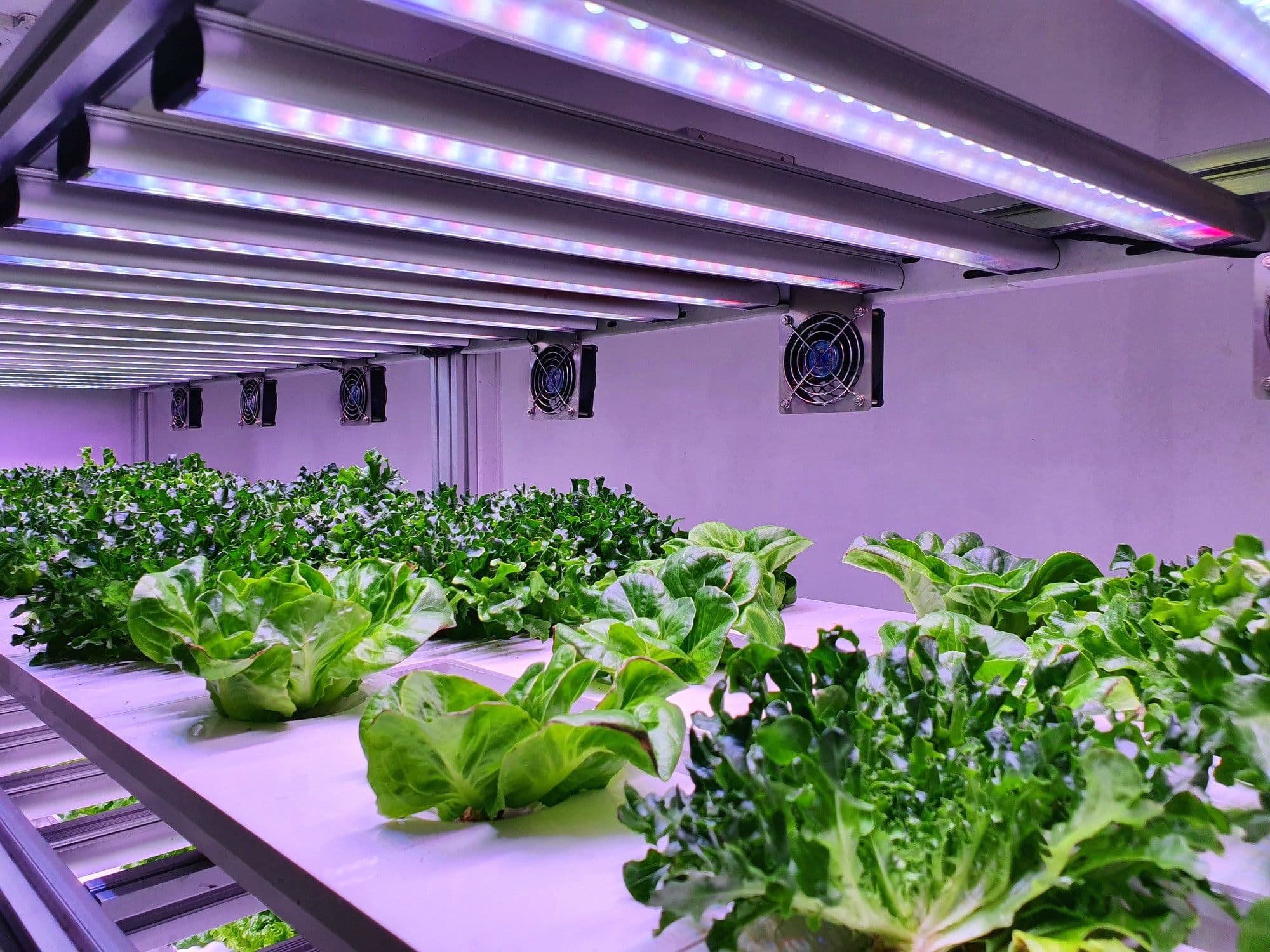
Can Plants Grow With Artificial Light?
Plants can grow under artificial light when the setup provides a suitable spectrum, enough intensity, and sufficient daily exposure. This guide explains how artificial lighting compares with sunlight, which options work indoors, and how to match a setup to houseplants.
4 min read · 14 Sept 2026
Is Sugar Water Good for Plants?
Sugar water may sound like an easy boost, but most rooted plants do not need extra sucrose. This guide explains how green tissues produce carbohydrates, when a sweetened solution can be useful, and why too much can cause problems.
Explore Plants by Care Needs
Identify the plant and problem. Help your plant recover
Identify plant problems early, understand what's wrong, and get clear care guidance. Botan helps you turn guesswork into confident plant care