


garlic (Allium sativum) Light Needs

garlic grows best in full sun, with long, bright days and several hours of direct sunlight.

Light Preference

Full Sun

Allium sativum Light Requirements

Cultivated garlic has long been grown in open, sunny agricultural settings in temperate climates. Its narrow leaves are adapted to bright seasonal light, especially during cool spring growth when the bulb is forming. In cultivation, it performs best where shadows are minimal through most of the day and air can move freely around the foliage. Preferred light is full sun.

  • Ideal exposure:

    garlic needs about 6–8 hours of full sun daily, with at least 6 hours of direct sun for strong bulb development.

  • Direct sun:

    Established plants tolerate full sun well when soil temperature and air movement are reasonable.

  • Partial sun:

    Partial sun is tolerated, but fewer direct-sun hours often mean smaller bulbs and weaker growth.

  • Shade limits:

    Shade is not suitable because it encourages stretched leaves and poor bulb formation.

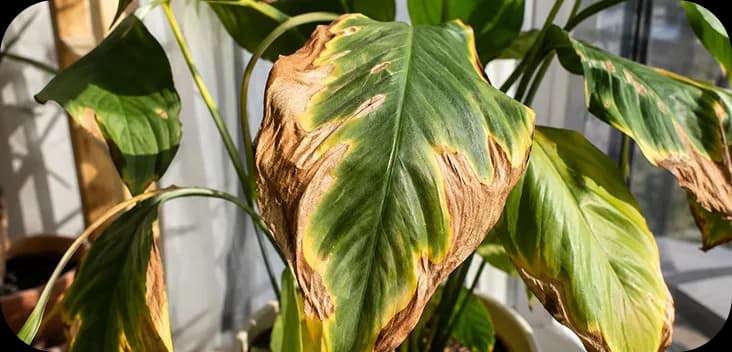
Excess light is usually tied to sudden exposure or intense heat.

Bleached patches:

Sun-facing leaves may show pale, dry areas after a sudden move into stronger sun.

Scorched tips:

Leaf tips can dry to a straw color during intense heat and harsh afternoon exposure.

Flattened foliage:

Tender leaves may lose firmness during the brightest part of the day when light and heat combine.

Uneven damage:

Marks usually appear on the most exposed side rather than evenly across the whole plant.

Shift the plant to a site with morning sun and light afternoon shade if heat stress is visible. Reintroduce stronger sun over several days instead of making an abrupt move.

Low light usually affects growth shape and bulb development before it causes severe leaf decline.

  • Stretched leaves:

    Leaves may grow longer, softer, and less upright as they reach toward brighter light.

  • Leaning growth:

    Growth may angle strongly toward the sun instead of staying evenly vertical.

  • Thin foliage:

    New leaves may look narrow, pale green, and weaker than growth in stronger light.

  • Small bulbs:

    Bulbs may remain undersized when leaves cannot gather enough energy during spring.

Move the plant toward full sun gradually, especially if it has been shaded for a long period. Choose a brighter site before the main bulb-forming stage whenever possible.

If ideal full sun is not available, choose the brightest outdoor spot that receives morning and midday sun. Avoid sites shaded during the first half of the day.

For containers, turn the pot weekly so leaves do not lean toward one side. Remove nearby objects that cast shade during active spring growth.

Deep shade is unsuitable because it limits bulb development and encourages weak, stretched leaves.

Get Personalized Care Plan

Scan your plant to receive care tips personalized for your specific plant

FAQ

This plant grows best with full sun for most of the day. Aim for about 6–8 hours of direct sun during active growth, especially when bulbs are forming.

More Plant Light Guides

Get the Botan App

Discover how to care for your plants with Botan.

Botan app identifying a plant with a phone camera
13 Best Front Yard Trees for Every Home and Yard

12 min read · 7 Aug 2026

13 Best Front Yard Trees for Every Home and Yard

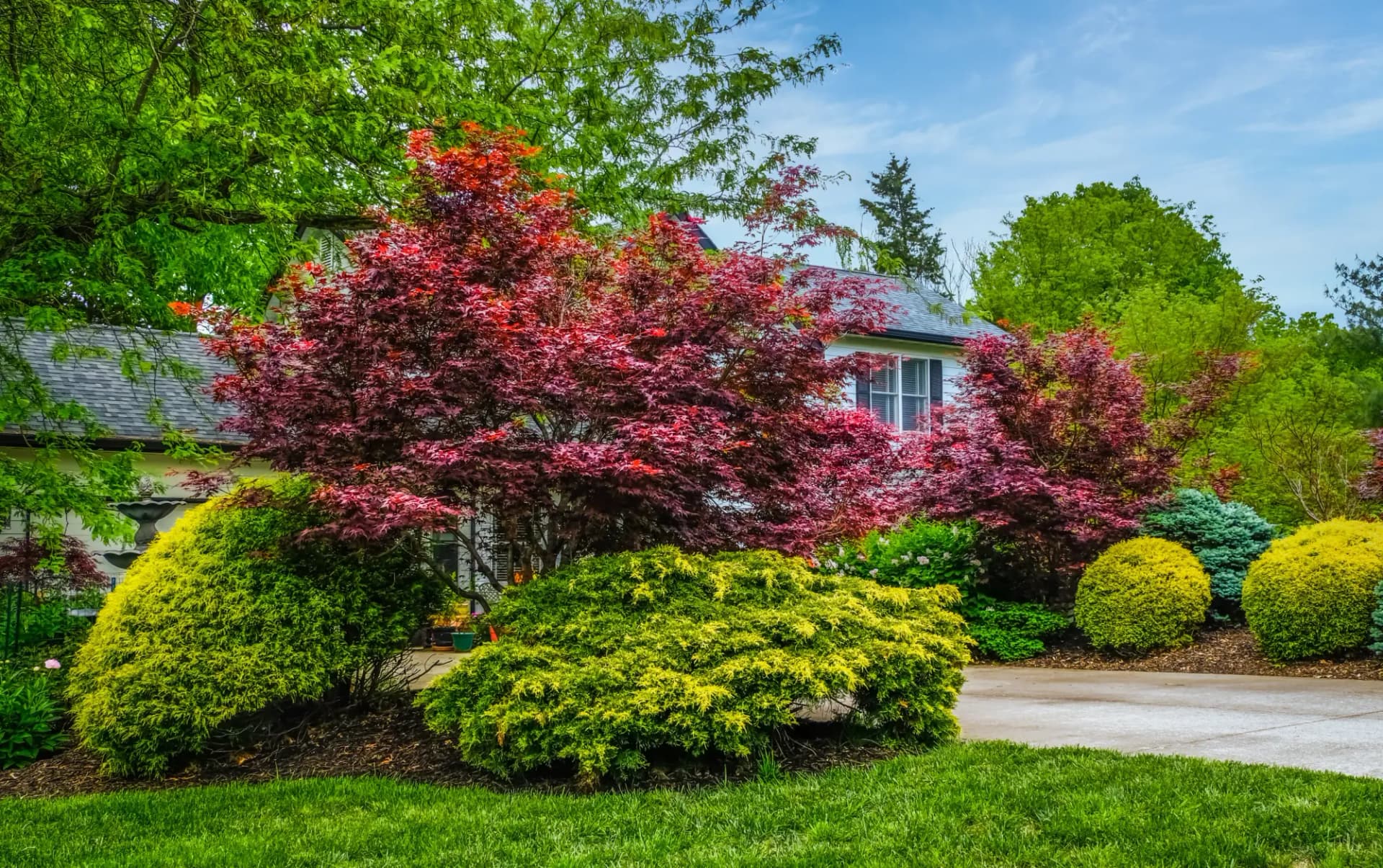
A front yard tree can stay for decades. Therefore, choosing one deserves serious consideration. Here are 13 trees that have proven themselves, sorted by their purpose. You'll also find five species to avoid and basic planting information.

Plant Recommendations
13 Best Front Yard Trees for Every Home and Yard
How to Use a Moisture Meter for Plants

5 min read · 4 Sept 2026

How to Use a Moisture Meter for Plants

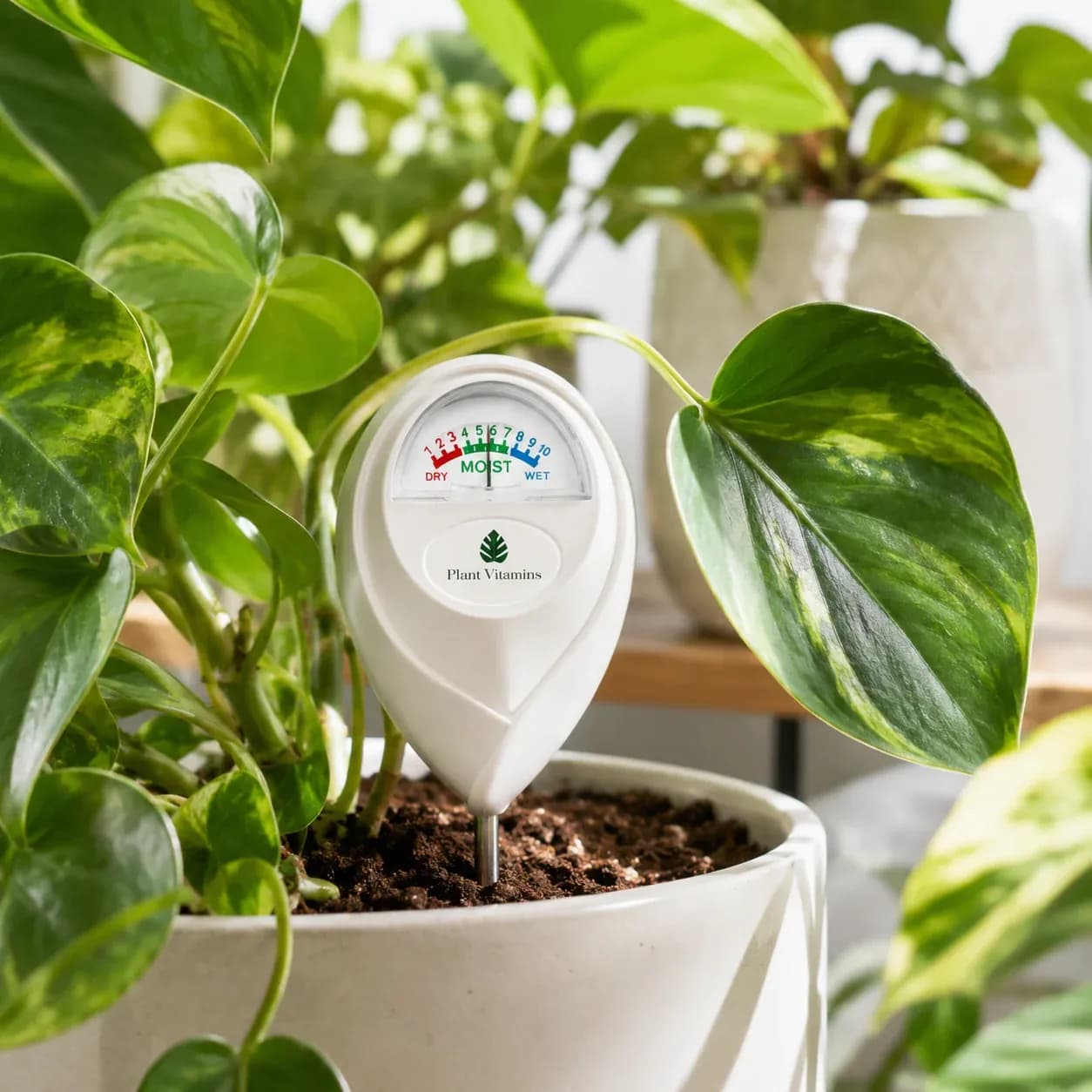
Watering by feel kills plenty of houseplants. A moisture meter checks the soil for you, and takes the guesswork out of it. This guide will show you how to use it correctly, from the first touch to the final reading.

Beginner Guides
How to Use a Moisture Meter for Plants
12 Most Wanted Rare Houseplants to Grow at Home

6 min read · 21 Sept 2026

12 Most Wanted Rare Houseplants to Grow at Home

Rare houseplants can turn an ordinary corner in your apartment into a living botanical collection. This guide covers 12 most admired picks, what makes them special, and how to grow them successfully at home.

Plant Recommendations
12 Most Wanted Rare Houseplants to Grow at Home