12 Most Wanted Rare Houseplants to Grow at Home
Rare houseplants can turn an ordinary corner in your apartment into a living botanical collection. This guide covers 12 most admired picks, what makes them special, and how to grow them successfully at home.

On this page
- Rare Houseplants at a Glance
- 1. Monstera Albo (Monstera deliciosa)
- 2. Philodendron Pink Princess (Philodendron ‘Pink Princess’)
- 3. Velvet Cardboard Anthurium (Anthurium clarinervium)
- 4. Glorious Philodendron (Philodendron gloriosum)
- 5. Swiss Cheese Vine (Monstera adansonii)
- 6. Jewel Alocasia (Alocasia cuprea)
- 7. Hindu Rope Plant (Hoya carnosa ‘Compacta’)
- 8. String of Nickels (Dischidia nummularia)
- 9. Black-Gold Philodendron (Philodendron melanochrysum)
- 10. Silver Vine (Scindapsus pictus)
- 11. Alocasia Dragon Scale (Alocasia ‘Dragon Scale’)
- 12. Hearts on a string ‘Lady Heart’ (Ceropegia woodii ‘Variegata’)
“You can never have too many plants!” If that sounds familiar, rare specimens may be the next for your home collection. Admired for dramatic foliage, unusual color, and limited availability, they bring distinction indoors. With Botan’s care tips in mind, this guide covers the 12 most wanted rare indoor plants for home growing.
Rare Houseplants at a Glance
Not every rare plant is difficult to grow. Start with practical guides for beginner plant owners, then compare species by appearance, light and humidity requirements, care level, and soil needs to see which options match your conditions. Choosing the right mix matters too, since rare houseplants may need a very different substrate from the best soil for a corn plant. Use the table below for a quick look at 12 unusual species.
Plant | What makes it special | Care difficulty |
White marbled variegation | Moderate to advanced | |
Philodendron pink princess | Deep green foliage with pink pattern | Moderate |
Heart-shaped velvet leaves with white veins | Moderate | |
Large crawling heart-shaped leaves | Moderate | |
Heart-shaped fenestrated leaves | Easy to moderate | |
Sculptural-like coppery-green leaves | Advanced | |
Hindu Rope Plant | Twisted waxy trailing vines | Easy to moderate |
Coin-shaped leaves | Moderate | |
Dark velvet leaves | Moderate | |
Silver-patterned foliage | Easy to moderate | |
Alocasia Dragon Scale | Textured reptile-like foliage | Advanced |
Hearts on a String ‘Lady Heart’ | Pink, cream, and green trailing stems | Easy to moderate |
Your Personalized Care Plan
Get personalized plant care recommendations in the app
1. Monstera Albo (Monstera deliciosa)

Monstera albo is one of the most recognizable rare indoor houseplants because of its white marbling, sectoral variegation, and dramatic split leaves. Since white areas of this vine contain less chlorophyll, place it in a place with bright, indirect light.
But avoid direct sunlight, as it can scorch pale tissue, while too little light may reduce new variegation. For good growth, plant Monstera albo in a chunky, airy mix. Also, provide it with a moss pole for climbing support.
2. Philodendron Pink Princess (Philodendron ‘Pink Princess’)

Philodendron pink princess is on the same list of the rarest houseplants because of its oval-shaped green leaves with a balanced pink pattern. Royal Horticultural Society advises keeping this tropical perennial in loam or sand soil in a place with partial shade.
Water it when the top layer of the mix begins to dry, but don't let the plant become waterlogged to prevent root rot. Also, rotate the pot so growth stays even.
3. Velvet Cardboard Anthurium (Anthurium clarinervium)

Thanks to its thick, velvety heart-shaped foliage and pale, decorative veins that look drawn by hand, velvet cardboard anthurium is a valuable plant among collectors. It fills the space with a tropical atmosphere, especially on shelves, plant stands, or in bright bedrooms.
This plant prefers a coarse aroid mix with bark, perlite, and light organic matter, which allows the soil to deliver both moisture and air to stems and foliage. Water velvet cardboard anthurium carefully. Make sure that it is placed in a warm, humid, and bright space with indirect light.
4. Glorious Philodendron (Philodendron gloriosum)

Large heart-shaped velvet leaves with white, pale veins make the glorious philodendron one of the most elegant rare indoor plants you can grow in your flat or house. When planting it, keep the rhizome on the surface of the potting mix instead of burying it.
Provide bright indirect light and steady humidity for this plant. It helps the leaves reach their best size.
5. Swiss Cheese Vine (Monstera adansonii)

The highlight of this plant is heart-shaped fenestrated leaves with cream or white patterning resembling Swiss cheese. That’s where the greenery’s common name comes from. According to NC State Extension, Swiss cheese vine light requirements are bright, indirect sunlight that helps support healthy indoor growth.
Choose a moist but well-drained potting mix that reduces the risk of root rot. Since the plant has a vining growth habit, provide a moss pole or other support. Keep it evenly moist but never waterlogged.
Grow rare plants with confidence
Get a detailed care plan and reminders
6. Jewel Alocasia (Alocasia cuprea)

Jewel alocasia is valuable for its coppery-green leaves that, thanks to deeply indented veins, look almost sculptural. This plant is quite demanding to care for. It dislikes cold drafts, dry air, and irregular watering.
For healthy growth, it requires lightly moist soil and bright indirect light. If conditions change suddenly, be prepared for the plant to pause or drop leaves.
7. Hindu Rope Plant (Hoya carnosa ‘Compacta’)

This semi-succulent is a nice addition to the rare plants collection thanks to its distinctive puckered, tightly curled leaves along trailing or climbing stems. Despite its exotic appearance, this plant doesn’t require any special care. It grows well in bright indirect light, a fast-draining potting mix, and a small pot.
Avoid frequent repotting, because the Hindu rope plant often blooms and grows better when slightly root-bound rather than placed in an oversized container where excess moisture is around the roots.
8. String of Nickels (Dischidia nummularia)

Small round leaves that resemble coins are why collectors buy this epiphytic trailing plant. Since its stems cascade, it’s better to keep this greenery in hanging baskets, mounted displays, or airy pots. String of nickels prefers bright filtered light and a loose, well-draining medium.
As an epiphyte, it naturally grows on other plants rather than in dense ground soil, so good drainage is especially important. Allow the growing medium to dry a little between waterings. Don’t keep the plant wet.
9. Black-Gold Philodendron (Philodendron melanochrysum)

Philodendron melanochrysum is valued for long, deep green, heart-shaped leaves whose surface feels like velvet to the touch. Along with a coppery sheen and pale green veins, this plant has an almost luxurious appearance, especially when given a moss pole.
Royal Horticultural Society lists bright filtered light and loam, airy soil as the optimal conditions for good growth of this plant.
10. Silver Vine (Scindapsus pictus)

Silver vine is admired for heart-shaped leaves patterned in dark green and silver. Since it is a trailing or climbing houseplant, it grows well in pots or hanging baskets where its stems are able to trail naturally.
Keep this plant in an east-facing or south-facing windowsill where it can receive full sun. It prefers a moist but well-drained growing medium. It’s important to avoid waterlogging as it can cause root rot.
11. Alocasia Dragon Scale (Alocasia ‘Dragon Scale’)

Its large, textured, arrow-shaped, silvery-green leaves with deep dark green veins make Alocasia Dragon Scale one of the most unusual foliage plants for indoor collections. It prefers a warm place with good humidity, south-facing or west-facing placement, and careful watering.
If your home is dry, a humidity tray or room humidifier may help, but good airflow remains important.
12. Hearts on a string ‘Lady Heart’ (Ceropegia woodii ‘Variegata’)

This trailing succulent is valued for its decorative heart-shaped foliage, whose edges have cream, pink, and green varieties. Its long stems make it especially suitable for hanging containers, where they can cascade naturally.
It is more forgiving than many rare houseplants if it grows under bright light and in fast-draining soil. Note that if you don’t let the mix dry between waterings, its tubers can rot.
FAQ
There is no single answer because rarity changes with supply, propagation success, and collector demand. Some variegated aroids, unusual anthuriums, and slow-growing cultivars can be extremely scarce at certain times. The rarest houseplant for buyers is usually one that is both hard to propagate and in high demand.
Alex Yar
Plant Expert
7+ years of experience studying plants, researching their diseases, and examining their characteristics.
Alex is a plant expert and writer with more than 7 years of experience studying plants, their growing requirements, and their responses to environmental conditions. His areas of expertise include plant care, disease recognition, stress diagnosis, pest-related problems, and the distinctive characteristics of different species.
Over the years, Alex has developed a strong practical understanding of how light, temperature, humidity, watering, soil conditions, and nutrition affect plant health. He combines careful observation with in-depth research to explain effective care and recovery methods.
Alex has extensive hands-on experience caring for houseplants. His articles translate complex botanical topics into clear guidance that helps you better understand your plants and recognize early warning signs.
Related Articles
8 min read · 17 Sept 2026
Top 15 Plants That Don’t Need Sunlight
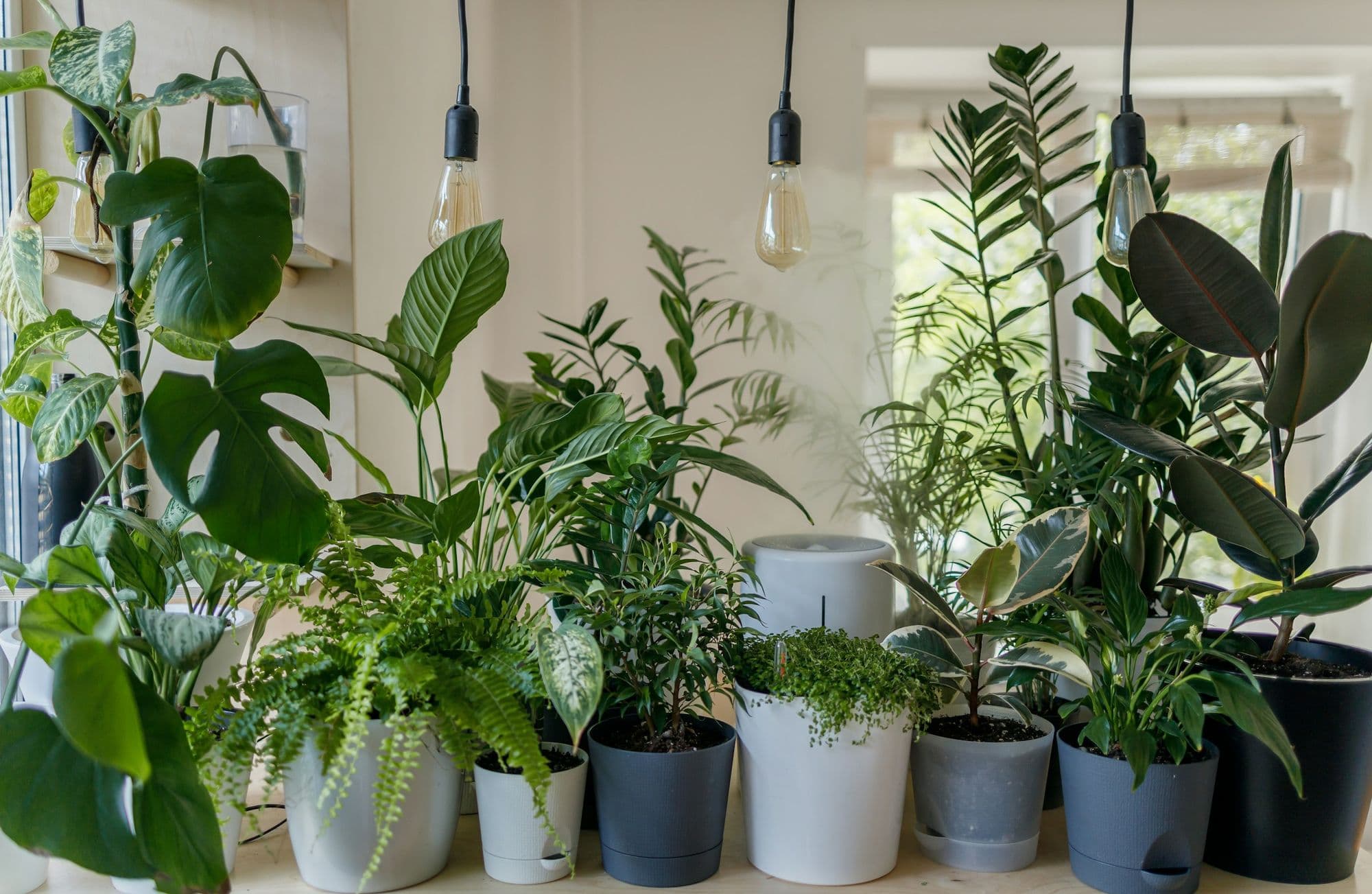
Some plants thrive in dim rooms, shaded corners, and places with indirect light. In this guide, you’ll explore the top 15 species best suited to low-light conditions and how to care for them.
5 min read · 11 Sept 2026
Top 5 Best Indoor Plants for Air Quality
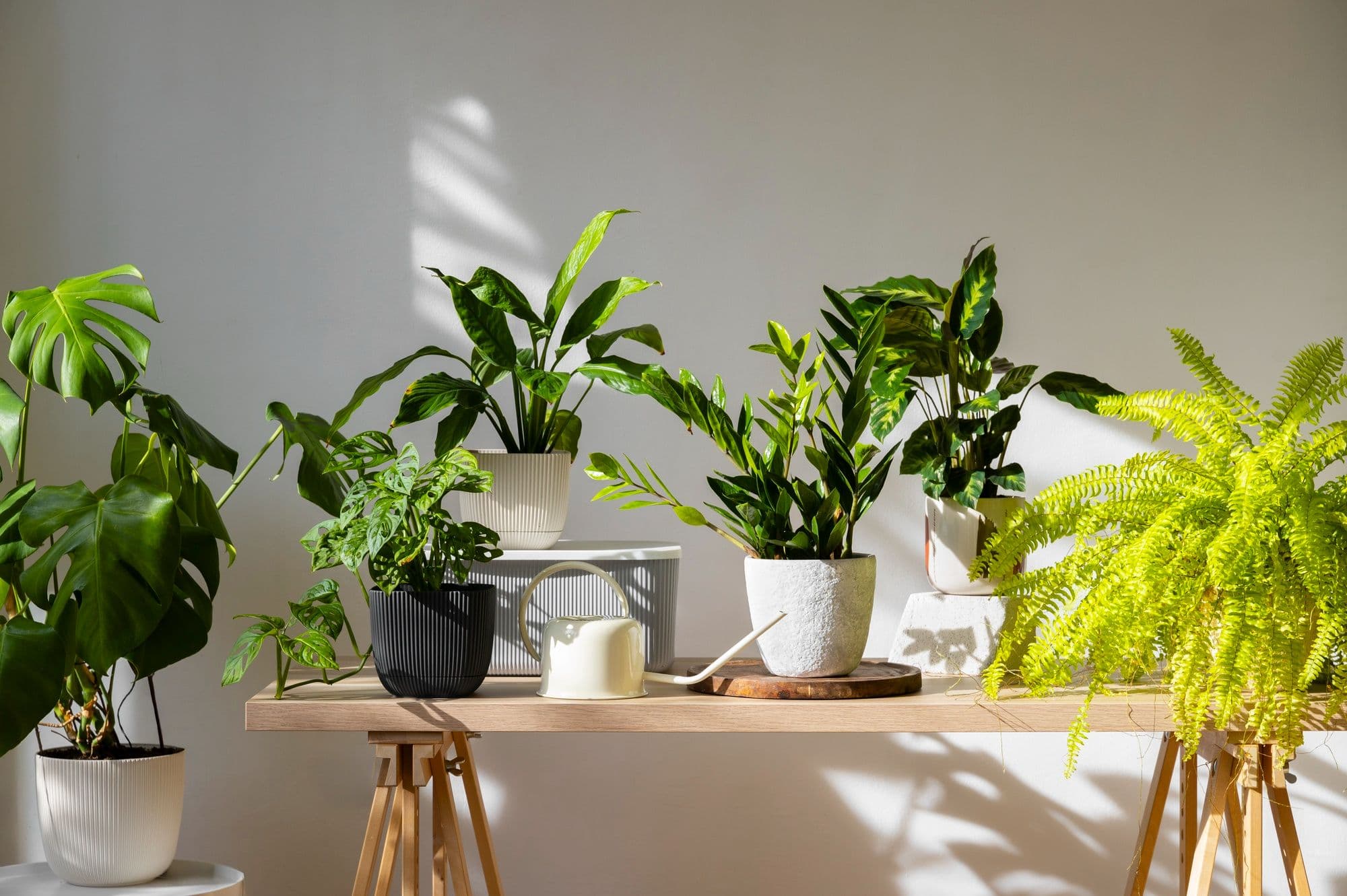
Indoor plants can make a room feel fresher thanks to their air-purifying qualities. Here are 5 of the most suitable choices for your routine and living space.

6 min read · 8 Sept 2026
Frozen vs Fresh Vegetable Nutrients: Which Option Is Healthier?
Frozen and fresh vegetables are nutritionally comparable: frozen produce often retains vitamins just as well as fresh and may sometimes contain more. Here’s how blanching and storage affect nutrients—and when to choose each.
Explore Plants by Care Needs
 POPULAR
Elephant's Foot Plant
Dioscorea elephantipes
 POPULAR
Parlor Palm
Chamaedorea elegans
 POPULAR
String of Turtles
Peperomia prostrata
 POPULAR
Alocasia melo
Alocasia melo
 POPULAR
Cape jasmine
Gardenia jasminoides
 POPULAR
Crown-of-thorns
Euphorbia milii
 POPULAR
Garden croton
Codiaeum variegatum
 POPULAR
Bigleaf Hydrangea
Hydrangea macrophylla
Identify the plant and problem. Help your plant recover
Identify plant problems early, understand what's wrong, and get clear care guidance. Botan helps you turn guesswork into confident plant care