Blushing Philodendron Care (Philodendron erubescens 'Pink Princess')

Also known as: Red-leaf Philodendron

About Blushing Philodendron

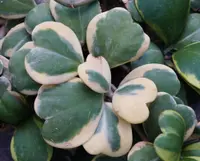
Philodendron erubescens 'Pink Princess', often called blushing philodendron, is a tropical aroid grown mainly for its striking pink and green variegated foliage. It is a climbing plant that can be trained on a moss pole or allowed to trail from a hanging container.

The species originates from tropical rainforests of Colombia, where it grows as an understory climber in warm, humid, shaded habitats. Its slow to moderate growth and need for stable conditions make it a bit more demanding than common philodendrons.

Consistent warmth, bright filtered light, and evenly moist but well-drained soil support its best color and growth. Understanding these basics helps plant owners learn how to care for Blushing Philodendron with more confidence.

Main Plant Requirements

Care Difficulty

Moderate Care

Light Preference

Bright Indirect Light

Water Requirements

Moderate Water

Temperature Preference

Tropical / Frost Sensitive

Hardiness Zone

11–12

Soil Texture

Loamy, Peaty, Organic-rich

Soil pH

Acidic (5.5–6.5), Slightly acidic (6.5–7.0)

Soil Drainage

Moist but well-drained

Fertilization

Light (every 4–6 weeks)

Get Personalized Care Plan

Scan your plant to receive care tips personalized for your specific plant

Available on iOS and Android

How to Care for the Blushing Philodendron

Philodendron erubescens 'Pink Princess' grows best in bright, indirect light with brief gentle sun.

  • Provide 6–8 hours of bright, filtered light each day from an east or north window, or under tree shade outdoors.
  • Tolerates partial shade, but prolonged low light causes leggy growth and dull variegation in Blushing Philodendron; move slightly closer to the light source if pink fades.
  • Avoid harsh midday and afternoon sun, which can scorch leaves; use sheer curtains indoors or dappled shade outdoors, especially in summer.

Philodendron erubescens 'Pink Princess' prefers evenly moist but never saturated soil.

  • Water when the top 2–4 cm of soil feels dry, using your finger to check; pour until water drains freely, then discard excess from saucers or cachepots.
  • In spring and summer, expect more frequent watering as growth and evaporation increase; in fall and winter, extend intervals and let the top layer dry a bit deeper.
  • Watch for yellowing, mushy leaves as signs of overwatering and dry, curling leaves or wilting as signs of underwatering; adjust frequency, not volume, first.

This philodendron prefers stable, warm conditions similar to a tropical understory.

  • Aim for 65–80°F (18–27°C) for best growth; short dips to 60°F (16°C) are usually tolerated but slow growth.
  • Avoid temperatures below 55°F (13°C); cold drafts and brief exposure near 40°F (4°C) can cause leaf damage, blackened patches, and potential root stress.
  • In hot periods above 85°F (29°C), increase air movement and humidity while keeping it shaded from direct sun to reduce heat stress and leaf scorch risk.

This plant benefits from moderately high humidity for stable variegation and growth.

  • Aim for 50–70% humidity; it tolerates brief drops to 40% but may grow slower.
  • Dry air causes brown, crispy leaf edges, curling, and stalled new leaves, especially on Blushing Philodendron.
  • Increase humidity with a nearby humidifier, grouping plants, or a pebble tray rather than misting leaves.

Philodendron erubescens 'Pink Princess' prefers a loose, airy, organic-rich mix that drains quickly yet holds some moisture.

  • Use roughly 40% peat or coco coir, 40% chunky bark, and 20% perlite or pumice for structure and drainage.
  • Target slightly acidic soil, around pH 5.5–6.5, to support nutrient availability and root health.
  • Ensure the mix feels springy, not compact; large particles keep air spaces around roots and prevent suffocation.
  • Avoid dense garden soil, high-clay mixes, or pots where water lingers on the surface for more than a few minutes.

This species is very suitable for container growing due to its climbing, manageable root system.

  • Choose a container with a sturdy trellis or moss pole anchor so the plant can climb without tipping the pot.
  • Select a pot that is slightly heavier or made of ceramic to stabilize the tall, vine-like stems as they mature.
  • Use a container shape that is deeper than it is wide to guide roots downward and support a vertical support structure.

This tropical aroid responds well to modest, consistent feeding during its active season.

  • Use a balanced liquid fertilizer (around 10-10-10 or 20-20-20) diluted to 1/4–1/2 strength for Blushing Philodendron.
  • Apply every 4–6 weeks in spring and summer on moist soil, never on dry roots.
  • Stop or reduce to 1 light feeding in fall and skip midwinter applications.
  • Slow-release granules or a thin layer of mature compost can substitute 1–2 liquid feeds per year.

Thoughtful pruning keeps Philodendron erubescens 'Pink Princess' compact and encourages bushier growth.

  • Carry out main pruning in late winter or early spring before strong new growth starts.
  • Remove yellowing, dead, or damaged leaves and any weak, leggy stems back to just above a node.
  • Thin crowded vines to improve light penetration and maintain the desired shape and size.
  • Use sharp, clean scissors or pruners and sterilize blades with alcohol between cuts to limit disease spread.

Repotting maintains healthy roots and steady growth for Philodendron erubescens 'Pink Princess' in containers.

  • Check yearly; repot when roots circle the pot, emerge from drainage holes, or growth slows despite good care.
  • Plan repotting for spring, moving up only 2–5 cm in pot diameter to avoid waterlogged soil.
  • Gently loosen circling roots, trim dead or mushy sections, and set the plant at the same soil level.
  • Water thoroughly after repotting, drain excess, then keep in bright, indirect light while roots re-establish.

Propagation is usually done from stem cuttings to maintain variegation in Philodendron erubescens 'Pink Princess'.

  • Take 1–2 node stem cuttings in late spring or early summer, each with at least 1 healthy variegated leaf.
  • Root cuttings in water or a moist, airy mix of perlite and peat or coco coir at 70–80°F.
  • Provide bright, indirect light, high humidity, and avoid waterlogging to reduce rot risk.
  • After strong roots form, pot into a small container and resume normal care gradually.

This Philodendron is frost-tender and needs protected indoor conditions in winter in most climates.

  • Keep temperatures above 60°F and away from cold drafts or single-pane windows at night.
  • Move outdoor containers indoors before nights drop below 55°F, using bright, indirect light.
  • Water less often, allowing the top 3–5 cm of soil to dry, as growth slows in cooler months.
  • Avoid cold, wet soil by using well-drained mix and emptying saucers after watering.

Care Tips

Supportive moss pole

Provide a sturdy moss or coir pole and gently tie new vines as they elongate so leaves mature larger and flatter, with more stable variegation exposure to light.

Variegation management

If stems produce several almost all-green leaves in a row, cut back to just above a node with balanced pink and green to encourage more attractive future growth while caring for Blushing Philodendron.

Node-focused propagation

When taking cuttings, choose sections with at least 1 visible node and a balanced variegated leaf, then root in a clear container so you can monitor root development and discard any rotting material early.

Staggered repot strategy

Repot only 1–2 sizes up and leave one or two older, well-rooted stems undisturbed in the same pot to reduce transplant shock and keep overall growth more stable.

Routine pest scouting

Inspect leaf undersides, petiole bases, and along the moss pole weekly with a flashlight or phone light, so mealybugs, scale, and spider mites are found and treated while populations are still small.

Common Pests and Diseases

Spider mites

This pest often appears on stressed plants grown in dry indoor air, causing fine webbing, pale stippling, and dull, dusty-looking leaves, especially on the variegated pink areas.

Solution

Rinse foliage thoroughly with a gentle shower, then wipe leaves with a soft cloth and apply an insecticidal soap or neem oil spray to both leaf surfaces every 5–7 days for several cycles; increase humidity and avoid placing the plant in hot, dry airflow to reduce reinfestation.

Thrips

These insects feed inside young leaves and along veins, leading to distorted new growth, silvery patches, scarring on the pink variegation, and black specks of frass on leaf surfaces.

Solution

Isolate the plant, remove and discard heavily damaged leaves, then treat all foliage and stems with insecticidal soap or a systemic insecticide labeled for thrips; repeat treatments according to label directions and use yellow or blue sticky traps to monitor and reduce adult populations.

Mealybugs

This pest appears as white, cotton-like clusters in leaf axils, along petioles, and near nodes, sucking sap and causing yellowing, weakened growth, and sticky honeydew on leaves and nearby surfaces.

Solution

Spot-treat visible insects with cotton swabs dipped in 70% isopropyl alcohol, then follow with a thorough spray of neem oil or insecticidal soap on all plant surfaces; repeat weekly until no new mealybugs appear and inspect any new plants carefully before bringing them near a collection of Philodendron erubescens 'Pink Princess' plants.

Bacterial leaf spot

This disease produces water-soaked, translucent spots that turn dark brown or black with yellow halos, often starting on older leaves or where water sits on the surface.

Solution

Remove and discard affected leaves, avoid overhead watering, improve air circulation, and keep foliage dry; in severe cases, use a copper-based bactericide according to label instructions and avoid reusing contaminated tools or pots.

Fungal leaf blight

This disease causes irregular brown lesions with darker margins, sometimes merging into large dead patches that can destroy large sections of the decorative variegated leaves.

Solution

Prune and discard all visibly infected tissue, clean pruning tools with alcohol, then adjust care by increasing airflow, spacing plants apart, and watering at the soil level; if progression continues, apply a broad-spectrum fungicide labeled for ornamental houseplants and monitor new growth closely as part of Blushing Philodendron indoor care.

Interesting Facts

Chimeric pink variegation

The pink variegation comes from a chimeric mutation, where genetically different cell layers grow side by side, creating stable sectors of pink, white, and green tissue rather than random stress coloration.

Not found in the wild

This plant does not occur naturally in forests; it is a cultivated selection of Philodendron erubescens that originated in horticulture, with no known wild population matching its pink variegation pattern.

Color shifts with age

New leaves often emerge bright pink or coppery and gradually darken to deep green or burgundy with pink patches as chlorophyll builds up, so the same leaf can look very different over its lifespan.

FAQs about Blushing Philodendron

Brown, crispy edges usually come from low humidity, underwatering, or exposure to hot or cold drafts. Check soil moisture, raise humidity to moderate levels, and move the plant away from heaters, air conditioners, or drafty windows.

Grow Healthy Plants with Botan Care

Keep your plants happy and healthy with plant identification, disease detection, and easy care guidance.

Botan plant care app — identify plants on mobile

Explore More Plants