


Shallow potting
Use a wide, shallow pot and keep the rhizomes just at or slightly above the soil surface so new fronds can emerge freely and excess moisture does not stagnate around the crown.

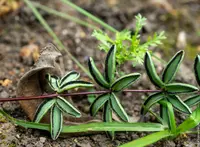
Hemionitis ternifolia is a small terrestrial fern, often called the three-finger fern, known for its delicate, lobed fronds and compact clumping habit. It tends to stay low and dense, which makes it suitable for terrariums, small pots, and sheltered understory plantings.
This species is native to tropical regions of the Americas, where it grows in humid forests on moist, well-drained substrates. It prefers stable moisture, high humidity, and soft, filtered light, which can make how to care for Hemionitis ternifolia slightly more demanding for beginners. Once its moisture and humidity needs are met, it can be a steady, long-lived foliage plant indoors.

Care Difficulty
Moderate Care

Light Preference
Bright Indirect Light

Water Requirements
Keep Soil Moist

Temperature Preference
Tropical / Frost Sensitive

Hardiness Zone
10–11

Soil Texture
Loamy, Peaty, Organic-rich

Soil pH
Acidic (5.5–6.5)

Soil Drainage
Moist but well-drained

Fertilization
Light (every 4–6 weeks)
Scan your plant to receive care tips personalized for your specific plant
Available on iOS and Android
This fern prefers gentle, filtered light that mimics a forest floor understory.
This species prefers consistently moist, never soggy, soil around its fine roots.
This fern thrives in mild, frost-free conditions similar to a warm, shaded woodland.
This fern prefers consistently high humidity to maintain healthy fronds and fine roots.
This species needs a loose, moisture-retentive but airy mix that mimics a humus-rich forest floor.
This fern is well suited to container growing due to its compact, shallow-rooting habit.
This fern benefits from light, consistent feeding rather than heavy applications.
Pruning is mainly used to keep this fern clean and to encourage fresh foliage.
This fern prefers slightly snug pots and only needs repotting when clearly root-bound.
Propagation is usually done by division rather than from spores for home growers.
This tropical fern is frost-sensitive and needs protection in regions with cold winters.

Plant Health Check
Not sure what's wrong with your plant? Check your plant's health inside the app.
This small fern from tropical America typically forms delicate clumps only a few cm tall, making it one of the truly miniature species in its genus and well suited to terrariums and bottle gardens.
Its fronds are characteristically divided into three main lobes, a trait reflected in the name ternifolia, which refers to having three-part leaves.
In nature it often grows epipetrically, meaning on rock surfaces rather than deep soil, anchoring its roots in thin humus layers in moist, shaded habitats.
This fern usually performs better indoors or in sheltered, shaded outdoor spots with stable warmth and humidity. In many climates, Hemionitis ternifolia indoor care offers more control over temperature, moisture, and protection from wind or harsh sun.
Keep your plants happy and healthy with plant identification, disease detection, and easy care guidance.

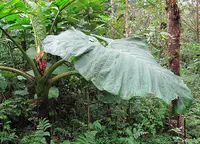
tall elephant's ear
Xanthosoma undipes
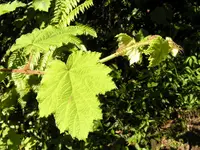
Giant bramble
Rubus alceifolius
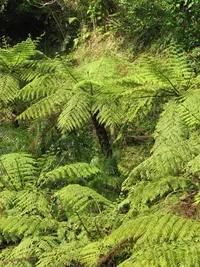
flying spider-monkey tree fern
Alsophila spinulosa
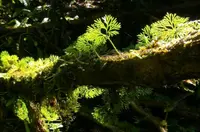
peltate tonguefern
Elaphoglossum peltatum
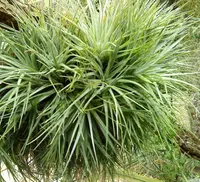
Tillandsia stricta
Tillandsia stricta
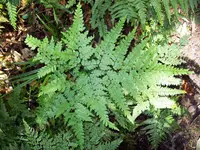
Giant maidenhair fern
Adiantum formosum
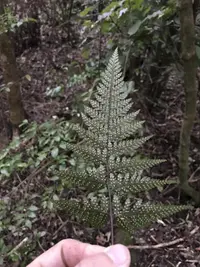
smooth shield fern
Parapolystichum glabellum
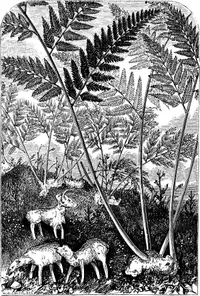
golden chicken fern
Cibotium barometz