


Shallow pot choice
Use a wide, shallow pot rather than a deep one so the fine, surface‑oriented roots can spread evenly and the mix can dry at a controlled, uniform rate.

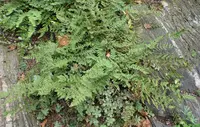
Hairy lip fern, Hemionitis lanosa, is a small terrestrial fern valued for its soft, fuzzy fronds and compact growth. It typically forms low clumps that suit containers and sheltered spots. Native to rocky and shaded habitats in parts of Asia, it is adapted to humid, protected environments with filtered light. This background explains why it prefers consistently moist, well-drained soil and avoidance of harsh direct sun. Many growers find it moderately challenging, as it dislikes drying out or strong drafts. Understanding how to care for hairy lip fern mainly involves keeping conditions stable and gently humid over time.

Care Difficulty
Moderate Care

Light Preference
Partial Shade

Water Requirements
Keep Soil Moist

Temperature Preference
Tropical / Frost Sensitive

Hardiness Zone
10–11

Soil Texture
Loamy, Peaty, Organic-rich

Soil pH
Acidic (5.5–6.5)

Soil Drainage
Moist but well-drained

Fertilization
Light (every 4–6 weeks)
Scan your plant to receive care tips personalized for your specific plant
Available on iOS and Android
This fern prefers soft, filtered light similar to a shaded forest floor.
Hemionitis lanosa needs consistently moist but not waterlogged soil.
This fern thrives in stable, mild temperatures with no sudden swings.
This fern prefers consistently high humidity to maintain healthy, hairy fronds.
Soil should be loose, moisture-retentive, and rich in organic matter to support fine fern roots.
This species is well suited to container growing due to its compact, shallow-rooted habit.
This fern benefits from light, consistent feeding rather than heavy fertilization.
Pruning Hemionitis lanosa focuses on hygiene and maintaining a compact, tidy clump.
This fern prefers a stable pot but benefits from occasional repotting when clearly rootbound.
Propagation of Hemionitis lanosa is possible but slower than many common houseplants.
This fern is frost-sensitive and needs mild, protected conditions through winter.

Plant Health Check
Not sure what's wrong with your plant? Check your plant's health inside the app.
The fronds are densely covered with fine hairs that give the leaves a velvety, gray-green appearance and help reduce water loss on exposed rock surfaces.
In its native range in the southeastern United States, this fern is typically found anchored in moist crevices of acidic rocks, rather than in deep soil, showing a strong adaptation to shallow, rocky habitats.
In frost-free or only lightly frosty regions, the fronds often remain green year-round, functioning as a small evergreen ground-covering fern on sheltered rock faces and ledges.
Yellowing fronds usually result from excess light, overwatering, or fertilizer buildup. Check that the root zone drains well, reduce direct sun, and flush the pot occasionally. Older fronds naturally yellow and die back over time.
Keep your plants happy and healthy with plant identification, disease detection, and easy care guidance.

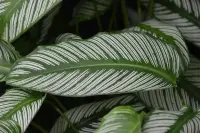
Goeppertia sanderiana
Goeppertia sanderiana

Lemon Button Fern
Nephrolepis cordifolia 'Duffii'
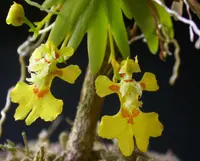
Erycina glossomystax
Erycina glossomystax
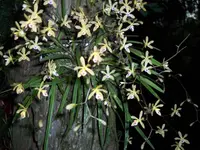
Florida butterfly orchid
Encyclia tampensis
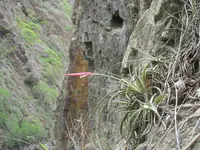
Tillandsia lorentziana
Tillandsia lorentziana
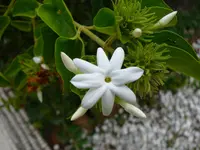
star jasmine
Jasminum multiflorum
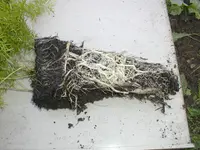
Asparagus Fern
Asparagus densiflorus 'Sprengeri'
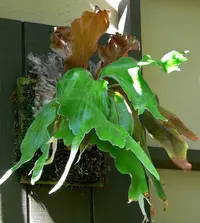
Platycerium stemaria
Platycerium stemaria