Secure Substrate Layer
Use a 3–5 cm layer of fine sand or silica grit over a heavier base gravel to anchor the roots firmly and prevent the plant from floating when underwater currents or fish disturb the substrate.

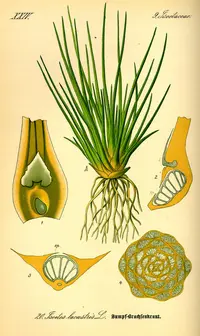
Lake quillwort (Isoetes lacustris) is a small aquatic plant that grows submerged in clear, cool lakes and ponds. It belongs to an ancient group of plants related to ferns and clubmosses.
The plant forms low, grass-like clumps of stiff, narrow leaves emerging from a short, bulb-like base in the sediment. It stays underwater year-round and does not produce showy flowers.
Isoetes lacustris typically occurs in unpolluted, low-nutrient waters across parts of Europe and North America. Its need for clean, stable water quality makes it more demanding than common aquarium plants.
Those who want to learn how to care for lake quillwort should focus on cool water, low pollution, gentle water movement, and a mineral-rich but not muddy substrate.

Care Difficulty
Hard Care

Light Preference
Partial Shade

Water Requirements
Aquatic

Temperature Preference
Cold Hardy

Hardiness Zone
3–8

Soil Texture
Sandy, Silty, Organic-rich

Soil pH
Acidic (5.5–6.5), Slightly acidic (6.5–7.0)

Soil Drainage
Waterlogged tolerant

Fertilization
Minimal (feed rarely)
Scan your plant to receive care tips personalized for your specific plant
Available on iOS and Android
This aquatic species prefers cool, bright conditions with protection from intense midday sun.
This fully aquatic plant must remain submerged in clean, oxygenated water at all times.
This cold-water aquatic species is adapted to cool, stable temperatures.
This aquatic species needs constant high humidity and full water submersion rather than typical room-air conditions.
Isoetes lacustris grows best anchored in submerged, mineral-rich sediment with stable structure and low oxygen.
This species is suitable for container growing in aquariums or tubs when depth and stability are adequate.
Isoetes lacustris is a nutrient-efficient aquatic plant that needs only light feeding in containers or artificial ponds.
Pruning needs for Isoetes lacustris are minimal and mainly focused on maintaining plant health and water clarity.
Transplanting Isoetes lacustris is usually infrequent and done when plants outgrow their basket or lose vigor.
Propagation of Isoetes lacustris is possible but slow and mainly carried out by division rather than seed at home scale.
Isoetes lacustris is quite cold hardy in ponds but container-grown plants may need modest winter attention.

Plant Health Check
Not sure what's wrong with your plant? Check your plant's health inside the app.
Isoetes lacustris belongs to a group considered living relatives of extinct tree-like lycopsids that dominated Carboniferous coal forests, making it part of one of the oldest vascular plant lineages still alive today.
Its stiff, quill-like leaves contain internal air chambers and specialized tissues that allow gas exchange with both water and sediment, helping the plant tolerate low-oxygen lake bottoms.
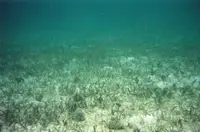
This species is typically restricted to cold, clear, low-nutrient (oligotrophic) lakes in northern and montane regions, where it often forms distinctive underwater meadows on sandy or gravelly substrates.

Isoetes lacustris produces two distinct types of spores, large megaspores and tiny microspores, a reproductive strategy called heterospory that is rare among modern ferns and lycophytes and reflects an evolutionary step toward the separate seed-bearing organs seen in seed plants.
Growth is slow to moderate. New leaves appear gradually through the growing season, and clumps expand mainly by producing new rosettes at the base. Expect noticeable size increase over several years rather than months.
Keep your plants happy and healthy with plant identification, disease detection, and easy care guidance.