Fringed Water-lily Care (Nymphoides peltata)

Also known as: yellow floatingheart, water fringe
Fringed Water-lily

About Fringed Water-lily

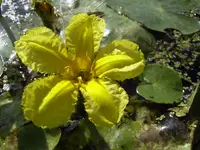
Fringed water-lily, Nymphoides peltata, is an aquatic perennial grown for its floating, heart-shaped leaves and bright yellow, fringed flowers. It spreads across still or slow-moving water by stems that root at the nodes, forming dense mats on ponds and water gardens. Native to parts of Europe and Asia, it has naturalized in many regions and can become invasive in suitable climates. The plant is generally robust and adaptable, which makes it easy to establish but requires monitoring to prevent uncontrolled spread. Those who want to care for Fringed Water-lily should provide calm water and full sun to light shade, with roots anchored in nutrient-rich, muddy or silty substrate.

Main Plant Requirements

Care Difficulty

Moderate Care

Light Preference

Full Sun

Water Requirements

Aquatic

Temperature Preference

Cold Hardy

Hardiness Zone

4–9

Soil Texture

Loamy, Silty, Organic-rich

Soil pH

Slightly acidic (6.5–7.0), Neutral (7.0)

Soil Drainage

Waterlogged tolerant

Fertilization

Minimal (feed rarely)

Get Personalized Care Plan

Scan your plant to receive care tips personalized for your specific plant

Available on iOS and Android

How to Care for the Fringed Water-lily

This floating aquatic plant depends on strong light for compact growth and flowering in ponds and water gardens.

  • Provide 6–8 hours of direct sun daily; morning to early afternoon sun is ideal for Fringed Water-lily to bloom well.
  • Tolerates light afternoon shade, especially in hotter regions, but dense shade reduces leaf size, weakens growth, and lowers flower production.
  • In very bright, hot climates, combine mid‑day sun with some filtered shade to limit leaf scorching and excessive water heating in shallow ponds.

Nymphoides peltata is an aquatic species that must grow with its roots and crown fully submerged.

  • Maintain constant water coverage of 15–60 cm above the crown; do not allow the pond or planting area to dry down to the soil surface.
  • Signs of underwatering include limp, collapsing leaves and exposed rhizomes; overwatering in poorly oxygenated, stagnant water shows as rotting crowns and foul smell.
  • In hot summers, monitor evaporation and top up with clean, low‑nutrient water, avoiding sudden level drops or additions colder than the existing pond water.

This hardy aquatic plant handles a wide temperature range but grows best in moderate warmth.

  • Optimal active growth occurs around 68–77°F (20–25°C), with steady leaf and flower production during late spring and summer.
  • The plant tolerates down to about 32°F (0°C); leaves die back with frost, but submerged rhizomes usually overwinter in frozen ponds and regrow in spring.
  • In hot spells above 86°F (30°C), deeper water buffers heat; avoid very shallow, sun‑baked pools where prolonged high temperatures can stress roots and reduce vigor.

This aquatic species relies on water coverage rather than air humidity, so ambient humidity is rarely a concern.

Nymphoides peltata grows best in permanently wet, fine-textured substrates under water.

  • Use heavy loam or clayey garden soil rich in organic matter to anchor roots under shallow water.
  • Avoid fast-draining, sandy, or peat-only mixes that float, erode, or expose roots.
  • Keep the substrate fully submerged with a stable water level to prevent drying and compaction at the surface.
  • Maintain slightly acidic to neutral conditions around pH 6.5–7.5 for balanced nutrient availability.

This species is suitable for container growing in water gardens and ponds.

  • Choose a wide, relatively shallow, heavy container to support spreading growth and prevent tipping under water movement.
  • Use a pot without drainage holes or plug them so substrate cannot wash out into the pond.
  • Place a layer of washed gravel over the soil surface to stabilize the medium and reduce clouding when the container is moved.

This aquatic plant benefits from moderate feeding in containers but often needs no fertilizer in nutrient-rich ponds.

  • Use a balanced aquatic fertilizer or slow-release pellets pushed into the planting basket, never loose in open water.
  • Feed every 4–6 weeks during the warm growing season if growth or flowering of Fringed Water-lily appears weak.
  • Dilute liquid fertilizer to 1/2 strength and apply only to the planting medium, not the surrounding pond water.
  • Stop feeding in late fall and avoid fertilization during winter dormancy to limit algae and stress.

Pruning Nymphoides peltata keeps growth in check and maintains healthy flowering surfaces on ponds.

  • In late spring through summer, remove yellowing, torn, or diseased leaves at the base using clean scissors or pruners.
  • Thin out crowded floating leaves so light reaches the water and submerged parts, improving overall vigor and flower production.
  • Trim flower stalks after blooming if seed is not desired to reduce unwanted spread and encourage more blooms.
  • Regularly skim off loose, drifting fragments to limit invasion into pumps, filters, and nearby plants.

This species is usually grown in baskets or shallow pond containers that need only infrequent disturbance.

  • Check every 2–3 years; transplant when roots fill the basket, growth slows, or rhizomes crowd and lift the soil surface.
  • Best timing is in late spring as water warms and Nymphoides peltata resumes strong growth, which aids recovery.
  • Lift the basket gently, rinse off excess silt, and divide large clumps into smaller sections with healthy roots and crowns.
  • Replant divisions in heavy loam in mesh baskets, submerge gradually, and keep water calm for several days to reduce stress.

This plant is commonly multiplied by division and plantlets rather than seed in garden ponds.

  • Divide mature clumps in late spring or early summer, ensuring each section has roots and at least 1 healthy crown.
  • Detach small plantlets that form on stolons or leaf bases and pot them into shallow baskets with heavy loam.
  • Submerge new pieces in still, shallow water with 4–8 in coverage above the leaves to support rapid rooting.
  • Seeds can be started in trays of shallow, warm water with fine sediment, though this is slower and less reliable.

Established plants are generally hardy in temperate ponds and need little winter care once rooted.

  • Hardy rhizomes usually tolerate freezing conditions if kept below the ice line in at least 12–18 in of water.
  • In cold regions, sink containers deeper in fall so crowns stay submerged and insulated from severe frost.
  • For small tubs, move baskets into a frost-free but cool area, keeping crowns just underwater until spring.

Care Tips

Limit Pond Spread

Install a submerged barrier or keep the plant in a large planting basket to confine rhizomes and prevent the mat from overtaking the entire water surface.

Control Leaf Density

Periodically thin out older leaves and runners with clean pond shears to maintain 40–60% open water surface, which improves oxygen exchange and reduces algae growth.

Rhizome Renewal

Every 2–3 years, lift and divide congested rhizomes in late spring, replanting only the healthiest sections to keep flowering strong and prevent decline from overcrowding.

Winter Protection Strategy

In cold regions, sink containers to the deepest, non-freezing part of the pond or overwinter them in an unheated but frost-free tank so the rhizomes stay dormant but alive.

Quarantine And Hygiene

Before introducing new stock, quarantine plants in a separate tub for 1–2 weeks and rinse thoroughly to reduce the risk of invasive hitchhikers, a key step in responsible Nymphoides peltata plant care.

Common Pests and Diseases

Waterlily aphids

This pest forms dense colonies on floating leaves, flower stalks, and buds, sucking sap and causing distortion, yellowing, and sticky honeydew on the leaf surface.

Solution

Physically wash colonies off pads and stems with a firm hose stream where possible, or submerge heavily infested leaves briefly under water to drown aphids. In ponds with fish and other wildlife, use insecticidal soap spot-sprays labeled for aquatic-edge use, and encourage natural predators such as lady beetles by avoiding broad-spectrum insecticides near the water.

Leaf-mining midges

These insects create pale, blister-like mines inside the leaf tissue, which later turn brown, thin, and can cause partial leaf collapse on crowded colonies of floating pads.

Solution

Remove and discard mined leaves to interrupt the insect life cycle and limit spread across the colony. Reduce overcrowding of pads, as good water circulation and slightly thinned stands lower midge pressure and make monitoring and hand removal more effective when caring for Fringed Water-lily.

Leaf spot fungi

This disease causes scattered brown or dark olive spots on floating leaves, often with yellow halos, leading to premature leaf decay and a decline in overall plant vigor in dense mats.

Solution

Cut and remove affected leaves from the pond to reduce the amount of infectious material and prevent spores from spreading with water movement. Avoid heavy nitrogen fertilization, keep plant density moderate, and remove plant debris at the end of the season so overwintering fungal structures are minimized.

Bacterial soft rot

This disease leads to water-soaked, slimy breakdown of petioles and leaf bases, often with foul odor and rapid collapse of individual leaves within dense stands or in warm, stagnant water.

Solution

Promptly cut out and discard rotting leaves and their petioles, removing as much affected tissue as possible from the water. Improve water circulation, avoid physical injury to crowns, and prevent nutrient-rich runoff entering the pond, since excess nutrients and warm stagnant conditions favor bacterial expansion.

Interesting Facts

Floating leaf architecture

This species has round, floating leaves held on long, flexible stems that rise from submerged creeping rhizomes, allowing the plant to stabilize in shallow, slow-moving water while maximizing light capture at the surface.

Fringed yellow flowers

Its star-shaped yellow flowers have distinctive fringed petal margins, which increase the apparent size of the floral display and make them highly visible to insect pollinators above the water surface.

Aggressive invasive behavior

Outside its native range in Eurasia, this aquatic plant forms dense mats that shade out native submerged vegetation, alter dissolved oxygen levels, and can obstruct boating and irrigation channels in lakes and slow rivers in parts of North America.

Botan icon

Did you know?

This species can reproduce both by seed and by vegetative fragments, and even small pieces of its creeping rhizomes or detached leaf stalks can root and form new plants, which greatly aids its spread in invaded waterways.

FAQs about Fringed Water-lily

This species spreads quickly by creeping rhizomes and floating stems. In small ponds it can form dense mats that shade out other plants. Regular thinning and physical removal of excess growth are usually needed to keep it contained.

Grow Healthy Plants with Botan Care

Keep your plants happy and healthy with plant identification, disease detection, and easy care guidance.

Botan plant care app — identify plants on mobile

Explore More Plants