Substrate Depth Management
Provide at least 5–8 cm of fine aquarium soil or sand so roots can anchor firmly and the stems do not float or topple when you trim or replant shoots.

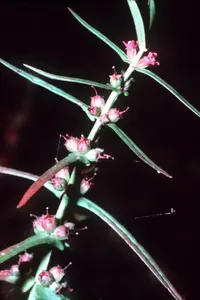
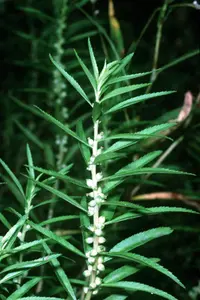
Valley redstem (Ammannia coccinea) is a semi-aquatic herb often grown in aquariums, ponds, or very wet garden areas. It forms upright, slender stems with narrow leaves that can develop red to reddish-purple tones under strong light.
In its natural range, it occurs in wet ditches, rice fields, and shallow edges of slow-moving waters, mainly in warm regions. The plant grows relatively fast when its need for constant moisture and good light is met.
It can be somewhat demanding, since it dislikes drying out and reacts quickly to poor water quality or unstable conditions. Gardeners who understand how to care for valley redstem usually find it rewarding for color and structure in aquatic plantings.

Care Difficulty
Hard Care

Light Preference
Full Sun

Water Requirements
Aquatic

Temperature Preference
Tropical / Frost Sensitive

Hardiness Zone
10–11

Soil Texture
Loamy, Silty, Organic-rich

Soil pH
Acidic (5.5–6.5), Slightly acidic (6.5–7.0)

Soil Drainage
Waterlogged tolerant

Fertilization
Heavy (weekly, diluted)
Scan your plant to receive care tips personalized for your specific plant
Available on iOS and Android
This aquatic species needs strong light for compact, colorful growth.
This species evolved for consistently saturated conditions rather than fluctuating soil moisture.
This warm-climate aquatic plant grows best in stable, mild to warm temperatures.
This species needs consistently high humidity to grow well and color up fully.
Ammannia coccinea is usually grown rooted in very wet, fine-textured substrates that stay saturated.
This species is suitable for containers when grown in aquatic or paludarium setups.
This aquatic species benefits from light, consistent nutrition during its active growing season.
Pruning Ammannia coccinea supports compact growth, better light penetration, and healthier stems in planted aquariums.
In aquariums, this stem plant is moved or replanted rather than traditionally repotted.
Propagation of this species is straightforward through stem cuttings in a stable aquarium environment.
This tropical aquatic plant is not frost tolerant and requires warm, stable water conditions year-round.

Plant Health Check
Not sure what's wrong with your plant? Check your plant's health inside the app.
This species can grow fully submerged in water, in shallow flooded margins, or in periodically wet mud, adjusting its leaf shape and size to different water levels.
Its intense red coloration comes from high levels of anthocyanins, pigments that help protect tissues from strong light and may reduce stress in shallow, sun-exposed water.
In parts of Asia and the southern United States, this plant can behave as a weed in rice fields and irrigation canals, where its dense stands compete with crops for light and nutrients.

Wild populations occur on several continents, and genetic and field studies show that the species readily colonizes new, human-made wet habitats such as drainage ditches, reservoirs, and rice paddies, which has contributed to its spread well beyond its presumed original range.
Yellowing leaves usually come from nutrient deficiency, low light, or unstable water conditions. Check iron and nitrogen levels, ensure consistent fertilization, and avoid sudden changes in water hardness, pH, or temperature. Remove badly damaged leaves to prevent decay.
Keep your plants happy and healthy with plant identification, disease detection, and easy care guidance.