Selaginella sanguinolenta Care

Selaginella sanguinolenta

About Selaginella sanguinolenta

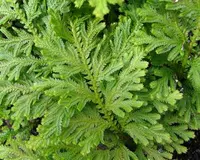
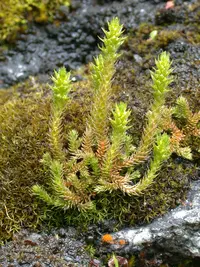
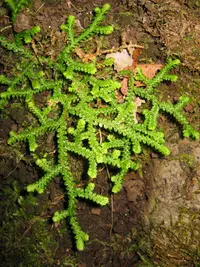
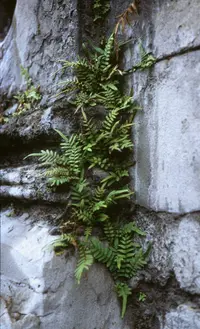
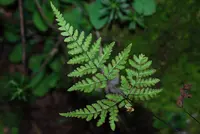
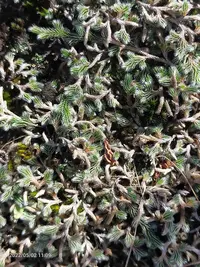
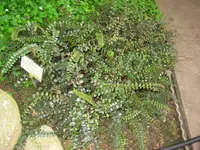
Selaginella sanguinolenta is a small, fern-like spikemoss grown mainly for its delicate, mossy foliage and compact, creeping habit. It often shows subtle red or bronze tones along the stems or leaf tips, which gives it a distinctive appearance in terrariums and shaded displays.

This species occurs naturally in humid, shaded forest floors and rock crevices in parts of Asia, where it thrives in constantly moist, cool conditions. It is considered moderately challenging, since it reacts quickly to dry air, irregular watering, or strong sun.

Those who want to learn how to care for Selaginella sanguinolenta should focus on stable moisture, soft indirect light, and an airy but consistently damp substrate that never fully dries out.

Main Plant Requirements

Care Difficulty

Hard Care

Light Preference

Partial Shade

Water Requirements

Keep Soil Moist

Temperature Preference

Tropical / Frost Sensitive

Hardiness Zone

10–11

Soil Texture

Loamy, Peaty, Organic-rich

Soil pH

Strongly acidic (4.5–5.5), Acidic (5.5–6.5)

Soil Drainage

Moist but well-drained

Fertilization

Light (every 4–6 weeks)

Get Personalized Care Plan

Scan your plant to receive care tips personalized for your specific plant

Available on iOS and Android

How to Care for the Selaginella sanguinolenta

This shade-loving spikemoss prefers soft, filtered light rather than direct sun.

  • Provide bright, indirect light or dappled shade with 0–2 hours of gentle early morning sun and no harsh midday or afternoon sun.
  • Outdoors, grow under taller plants, shade cloth, or on a north- or east-facing side to mimic forest-floor light conditions.
  • If fronds fade, bronze, or crisp at the edges, light is too strong; if growth becomes sparse and pale, increase filtered light exposure.

This species needs consistently moist conditions and reacts quickly to drying out.

  • Water when the surface just begins to lose its sheen, before the top 1–2 cm dry completely, aiming for evenly damp (not saturated) soil.
  • Use a loose, high-organic mix that drains freely yet holds moisture, and empty any standing water from saucers or cachepots to prevent root rot.
  • In warm, bright seasons, expect faster drying and more frequent watering; in cooler, low-light periods, reduce volume but never allow a full dry-out.

Stable, cool-to-warm conditions support dense, healthy growth for this spikemoss.

  • Aim for 65–75°F (18–24°C) for best growth, with only slight nightly drops of 3–5°F (2–3°C).
  • Protect from cold; growth slows below 55°F (13°C) and tissue damage can occur near 40°F (4°C), so avoid frost and cold drafts.
  • Heat above 82–86°F (28–30°C) is tolerated only with high humidity and evenly moist soil; in hot spells, increase airflow and shade to reduce stress.

This species needs constantly high humidity to maintain dense, healthy foliage.

  • Aim for 70–90% humidity; below 60% fronds dry, curl, and brown at the tips.
  • In dry air, use a closed or semi-closed terrarium, pebble tray, or room humidifier rather than misting alone.
  • Ensure strong air moisture with gentle air movement to prevent stagnant, mold-prone conditions.

This plant prefers a soft, moisture-retentive yet airy substrate that never becomes waterlogged.

  • Use a loose mix of 50% fine peat or coco coir, 30–40% leaf mold or compost, and 10–20% perlite or fine bark.
  • Aim for slightly acidic conditions around pH 5.5–6.5, avoiding limy or strongly alkaline mixes.
  • Reduce compaction by incorporating fine bark or perlite so oxygen can reach shallow roots even when the mix stays damp.
  • Avoid heavy garden soil, sand-dominant mixes, or pots without reliable drainage, which lead to root decline in Selaginella sanguinolenta.

This species is well suited to shallow containers and terrariums due to its creeping, surface-rooting habit.

  • Choose a broad, shallow pot to allow horizontal spread while keeping the root zone close to the moist surface layer.
  • Select plastic or glazed ceramic containers to slow moisture loss and support the plant’s preference for consistently damp substrate.
  • Use a stable, low-profile container so the spreading foliage does not cause tipping when fully grown.

This species benefits from light, consistent feeding rather than heavy fertilization.

  • Use a balanced liquid fertilizer (around 10-10-10) diluted to 1/4 strength for Selaginella sanguinolenta during active growth.
  • Apply every 4–6 weeks in spring and summer to support foliage density without forcing fast, weak growth.
  • Skip or greatly reduce feeding in fall and winter, when growth slows and nutrient demand is low.
  • Avoid compost or strong slow-release pellets that can burn fine roots; leach the pot with plain water if buildup is suspected.

Pruning is mainly used to maintain shape and remove declining tissue on this low-growing species.

  • Trim back dead, browned, or damaged fronds whenever noticed to reduce disease risk and improve appearance.
  • In spring, lightly shorten overlong, straggly stems to keep mats compact and encourage denser branching.
  • Use small, sharp scissors or snips disinfected with alcohol to prevent spreading fungal or bacterial problems.
  • Avoid heavy cutting into old, bare centers; instead, thin crowded edges so new tips can fill in gradually.

Handling the roots of this plant gently is important, as they are fine and shallow.

  • Repot every 2–3 years or when roots circle the pot, growth slows, or the soil dries out very fast after watering.
  • Choose early spring for repotting, using a shallow container and airy, moisture-retentive mix with added fine bark or peat.
  • Lift the root ball carefully, loosening only the outer roots and keeping most soil intact to limit transplant shock.
  • Water thoroughly after shifting to the new pot, then keep humidity high and light moderate for 1–2 weeks while roots re-establish.

This plant is most commonly propagated by division and stem sections rather than by spores in home settings.

  • In spring or early summer, divide a healthy clump into small sections, each with roots and vigorous tips.
  • For stem cuttings, lay sections of trailing stems on moist, sterile mix; pin them down so nodes contact the surface.
  • Maintain high humidity (cover with a vented dome or bag) and bright, indirect light to support rooting along the stems.
  • Once new growth appears and roots anchor well, separate and pot each new segment individually for ongoing Selaginella sanguinolenta plant care.

This species is not frost hardy and needs mild, protected conditions through winter, especially in containers.

  • In climates with frost, grow in pots and move indoors before night temperatures drop below 50°F.
  • Indoors, provide bright, indirect light, 60–70°F temperatures, and high humidity to prevent fronds from drying out.
  • Water slightly less often than in summer but never allow the substrate to dry completely or become waterlogged.
  • In very mild, frost-free areas, outdoor clumps still benefit from a light mulch to buffer temperature swings around the roots.

Care Tips

Use humidity trays

Place the pot on a wide tray filled with rinsed pebbles and water kept below the pot base to create a stable, localized humidity zone without risking root rot.

Edge mist management

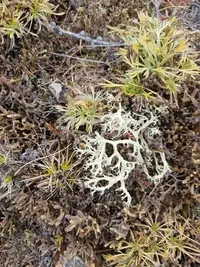
Mist only the foliage edges and surrounding air, then run a small fan on low nearby for 10–15 minutes to keep fronds moist while preventing water from sitting in the crown and causing fungal issues.

Terrarium-style enclosure

For very dry rooms, set the plant inside a tall glass cylinder or ventilated terrarium with an open top, which traps moisture around the foliage while still allowing air exchange.

Gentle division technique

When dividing a dense clump, use your fingers to tease apart the root mass into small sections with both roots and green tips, then pot them snugly together to help the colony re-establish more quickly.

Quarantine and inspect

Quarantine any new ferns or moss-like plants for 2–3 weeks and inspect under fronds with a magnifying glass so pests or fungal problems do not spread when caring for Selaginella sanguinolenta.

Common Pests and Diseases

Fungus gnats

These insects are attracted to consistently wet, mossy substrates and thrive in the humid, shaded conditions often used for this species. Larvae feed in the upper soil layer and can damage delicate roots and stem bases.

Solution

Allow the top 0.5–1 cm of the substrate to approach slight dryness before rewatering, use a fine grit or sand top-dress, and place yellow sticky traps near the pot to catch adults. For heavier infestations, apply a biological control such as Bacillus thuringiensis israelensis (BTI) or beneficial nematodes, and remove decaying plant material from the surface.

Rhizoctonia stem rot

This disease develops in very wet, stagnant conditions and causes lower stems to turn brown, water-soaked, and collapse at the soil line. Symptoms include thinning patches in the cushion as infected sections die back quickly.

Solution

Cut out and discard affected stems and surrounding substrate, then repot healthy sections into a fresh, very airy, fine-textured mix kept evenly moist but not waterlogged. Improve airflow around the terrarium or growing case, reduce watering frequency slightly, and avoid splashing water directly onto stems to support stable Selaginella sanguinolenta care instructions.

Sclerotium basal rot

This disease favors warm, constantly moist media and causes sudden wilting, basal stem browning, and white cottony growth with small tan sclerotia (hardened fungal bodies) at the soil surface. Symptoms include rapid collapse of individual clumps while nearby areas may appear healthy at first.

Solution

Promptly remove and discard affected clumps and the surrounding soil, avoiding contact with healthy areas, then replant only clean, symptom-free tips in fresh substrate and a clean container. Lower soil moisture slightly, increase air exchange in enclosed setups, and avoid using unsterilized garden soil or reused mix to prevent reinfection.

Broad mites

These pests are microscopic and thrive in warm, humid enclosures, causing distorted, hardened, or stunted new fronds and an overall dull, off-color cushion. Symptoms include very fine leaf curling and failure of new growth to expand normally.

Solution

Discard badly deformed sections, then rinse remaining foliage thoroughly under a gentle stream of lukewarm water to remove mites from the plant surface. Follow with 2–3 applications of a horticultural oil or insecticidal soap labeled for mites at 5–7 day intervals, and slightly increase air movement while keeping humidity high enough to prevent desiccation.

Interesting Facts

Blood-red leaf veins

This species is known for its distinctive red to burgundy veins that contrast with the green leaf surface, a feature that is much more pronounced than in most other Selaginella species and gives it a characteristic mottled appearance.

Moist-forest specialist

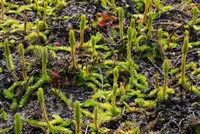
Selaginella sanguinolenta typically occurs on shaded, constantly moist forest floors or rock faces in parts of East and Southeast Asia, where it often forms low, creeping mats along seeps and stream banks.

Ancient spore-bearing lineage

As a lycophyte, this plant does not produce flowers or seeds but reproduces via spores, representing an ancient vascular plant lineage that diverged from the ancestors of modern ferns and seed plants hundreds of millions of years ago.

FAQs about Selaginella sanguinolenta

This species adapts to both, but performs best in protected, humid, low‑light environments. Indoors, it is easier to control humidity and temperature. Outdoors, it suits shaded, frost‑free, consistently moist spots, such as sheltered woodland-style plantings.

Grow Healthy Plants with Botan Care

Keep your plants happy and healthy with plant identification, disease detection, and easy care guidance.

Botan plant care app — identify plants on mobile

Explore More Plants