Selaginella moellendorffii Care

Selaginella moellendorffii

About Selaginella moellendorffii

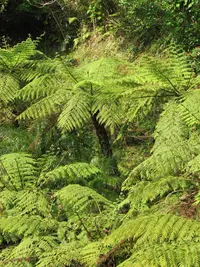
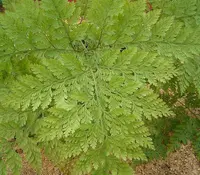
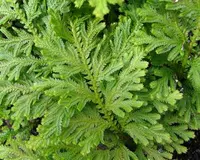
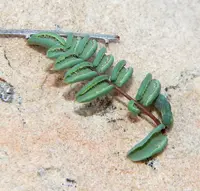
Selaginella moellendorffii is a small, primitive vascular plant related to clubmosses, often grown for its fine, fern-like foliage and dense, creeping habit. It forms low mats of delicate, scale-like leaves on branching stems that can quickly cover the soil surface in a pot or terrarium.

This species occurs naturally in parts of China and Southeast Asia, usually in humid, shaded forest environments. Its preference for constant moisture and high humidity makes it best suited to terrariums or carefully managed indoor spots.

Light-sensitive foliage, a shallow root system, and dislike of drying out can make it moderately challenging for beginners, but stable conditions make it manageable. Understanding how to care for Selaginella moellendorffii mainly involves controlling moisture, airflow, and gentle, indirect light.

Main Plant Requirements

Care Difficulty

Hard Care

Light Preference

Partial Shade

Water Requirements

Keep Soil Moist

Temperature Preference

Tropical / Frost Sensitive

Hardiness Zone

10–11

Soil Texture

Peaty, Organic-rich, Loamy

Soil pH

Strongly acidic (4.5–5.5), Acidic (5.5–6.5)

Soil Drainage

Moist but well-drained

Fertilization

Light (every 4–6 weeks)

Get Personalized Care Plan

Scan your plant to receive care tips personalized for your specific plant

Available on iOS and Android

How to Care for the Selaginella moellendorffii

This shade-loving clubmoss prefers soft, filtered light that mimics a forest floor understory.

  • Provide bright, indirect light or dappled shade, such as 2–4 hours of gentle morning sun filtered through sheer curtains or foliage.
  • Protect Selaginella moellendorffii from direct midday and afternoon sun, which can scorch fronds, cause bleaching, and dry the soil too quickly.
  • In summer, move it slightly farther from strong windows or reflective surfaces; in low-light winter conditions, place it closer to a bright window but still out of direct sun.

This species needs consistently moist conditions and reacts quickly to drying out.

  • Aim for evenly moist soil; do not let more than the top 0.5–1 cm dry before watering, especially in warm or low-humidity rooms.
  • Water slowly until excess drains away, using a free-draining, peat- or coco-based mix that holds moisture but does not stay waterlogged.
  • Reduce frequency slightly in cooler months, watching for curling, crisp tips from underwatering or limp, yellowing fronds and sour-smelling soil from overwatering.

This moisture-loving plant grows best in stable, mild temperatures with no sudden swings.

  • Maintain an ideal range of 65–75°F (18–24°C) for steady growth, with slightly cooler nights acceptable if kept above 60°F (16°C).
  • Avoid exposure below 50°F (10°C); Selaginella moellendorffii is not frost hardy and can suffer tissue damage or die back after even light frosts.
  • In hot weather above 80–85°F (27–29°C), increase humidity, shade from intense sun, and ensure good air movement to prevent heat stress and frond collapse.

This species needs high, stable humidity to stay dense and green.

  • Aim for 70–90% humidity; use a humidifier, closed terrarium, or covered tray system around the plant.
  • Dry indoor air causes crisping tips, dull fronds, and shriveling stems that spread inward from the edges.
  • Place the pot on a pebble tray with water, group moisture-loving plants, and avoid direct heater or AC airflow.

This species prefers a loose, moisture-retentive yet airy mix that never becomes waterlogged.

  • Use a fine-textured mix of 50–60% peat or coco coir with added compost, plus perlite and fine bark for structure.
  • Aim for slightly acidic conditions around pH 5.5–6.5, which support healthy root function and nutrient uptake.
  • Ensure the mix drains freely but stays evenly moist; water should pass through within seconds instead of pooling on the surface.
  • Avoid heavy clay, pure garden soil, or dense potting mixes that compact and exclude air from the shallow root system of Selaginella moellendorffii.

This species is well suited to container growing because its shallow, spreading roots adapt easily.

  • Choose a wide, shallow pot to match its creeping growth, preventing bare, dried-out edges in deeper, narrow containers.
  • Use plastic or glazed ceramic rather than porous clay if the environment is dry, to slow evaporation and maintain constant moisture.
  • Select a low, stable container so the spreading foliage does not tip the pot when it becomes unevenly weighted.

This species is a light feeder, so focus on gentle, diluted nutrition rather than heavy fertilization.

  • Use a balanced liquid fertilizer (e.g. 10-10-10) at 1/4–1/2 strength for Selaginella moellendorffii during active growth.
  • Apply every 4–6 weeks in spring and summer, always onto pre-moistened substrate to avoid root burn.
  • Skip fertilizer in late fall and winter when growth slows, unless under strong artificial light.
  • Organic options like very dilute compost extract or worm castings tea are suitable if the mix drains well.

Pruning is light and mainly cosmetic, aimed at keeping the mat dense and healthy.

  • Best time for any shaping is spring or early summer, when recovery is fastest.
  • Use clean, sharp scissors to trim dead, yellowing, or damaged fronds at the base.
  • Pinch or clip back overly long, leggy stems to encourage denser lateral growth in Selaginella moellendorffii.
  • Remove crowded or overlapping tips to improve air flow and reduce fungal issues in very humid setups.

This plant prefers stable, humid conditions, so repotting should be infrequent and gentle.

  • Repot every 2–3 years or when roots circle the pot, growth stalls, or the soil compacts heavily.
  • Aim for early spring, keeping the original root ball as intact as possible to limit stress.
  • Shift only 1 pot size up, using a shallow container and airy, moisture-retentive mix high in peat or coco fiber.
  • Water thoroughly after repotting Selaginella moellendorffii, then keep humidity high and light moderate until growth resumes.

Propagation is usually done vegetatively, taking advantage of the plant’s creeping stems.

  • Best method is division in spring, gently teasing apart small clumps with roots attached.
  • Tip cuttings 3–5 cm long root well when laid on moist, sterile mix and kept at 70–75°F with high humidity.
  • Ensure constant, even moisture but no waterlogging to prevent stem rot while roots form.
  • Provide bright, indirect light and good air circulation; avoid strong sun that can desiccate young pieces of Selaginella moellendorffii.

This species is frost sensitive and performs best with stable, mild indoor conditions in winter.

  • Maintain indoor temperatures around 60–75°F; avoid cold drafts and windowsills that dip near freezing.
  • In cold climates, move container plants indoors before night temperatures fall below 50°F.
  • Keep humidity high (50–70%) using trays or humidifiers, but reduce watering slightly as growth slows.
  • Avoid dry, hot air from heaters; place Selaginella moellendorffii away from direct heat vents and fireplaces.

Care Tips

Tray microclimate

Place the pot inside a shallow, unsealed plastic bin or tray with damp sphagnum around (not over) the pot to create a stable, humid microclimate that keeps the fine foliage from desiccating in heated or air-conditioned rooms.

Horizontal spreading space

Use a wide, shallow container and periodically top-dress bare edges with a thin layer of fine, moist substrate so the creeping stems can root as they reach the rim, creating a denser and more resilient mat.

Gentle division method

When dividing, slide the root mass out, then tear along natural seams of rooted stems instead of cutting straight through, and immediately replant each section at the same depth to reduce transplant shock.

Quarantine and rinse

Quarantine new plants for 10–14 days and, if pests are suspected, gently rinse foliage and surface roots under lukewarm water before placing them nearby, since the dense, fine growth makes infestations easy to miss.

Low-stress relocation

If moving the plant to a different light level or room, shift it gradually over 7–10 days and keep humidity extra steady during the transition, which reduces stress on the delicate shoot tips when caring for Selaginella moellendorffii.

Common Pests and Diseases

Spider mites

This pest thrives on Selaginella foliage in warm, dry indoor air and feeds by piercing tiny leaf cells, causing a faded, stippled appearance and fine webbing between stems. Symptoms include dull, grayish patches and slow decline, especially when humidity is low.

Solution

Increase humidity to 70–80%, rinse foliage gently under lukewarm water to remove mites and webbing, and isolate the plant. Follow up with several applications of insecticidal soap or a ready-to-use neem oil spray at 5–7 day intervals, making sure to wet the undersides of the fronds, and monitor closely while adjusting conditions to avoid dry air when focusing on Selaginella moellendorffii care instructions.

Fungus gnats

These insects are small, dark flies that breed in constantly wet potting mix and their larvae feed on fine root tips and lower stems. Symptoms include tiny flies hovering around the pot and slow, stunted growth in very wet substrates rich in peat or coco fiber.

Solution

Allow the top 1–2 cm of the substrate to dry slightly between waterings while still keeping the deeper layer evenly moist, and improve drainage by using a fine but airy mix. Trap adults with yellow sticky cards and control larvae with a biological treatment containing Bacillus thuringiensis israelensis (Bti) or by repeated bottom-watering so the upper layer can dry a bit more often.

Botrytis blight

This disease is caused by Botrytis cinerea, a fungus that develops in still, humid air and on foliage that stays wet for long periods. Symptoms include soft, water-soaked stem and leaf tissue that turns brown and may develop a gray, fuzzy mold, especially in crowded terrarium setups.

Solution

Promptly remove and discard all affected fronds and any dead plant material on the soil surface. Improve air circulation, avoid overhead watering, keep foliage just moist rather than wet, and if needed apply a labeled low-toxicity fungicide and reduce overcrowding in terrariums or propagators.

Pythium stem rot

This disease affects the delicate creeping stems when the potting mix remains saturated and oxygen-poor for extended periods. Symptoms include blackened, mushy stem sections at or just below the soil surface, sudden collapse of patches of foliage, and a sour smell from the substrate.

Solution

Cut out and discard all rotted stems and repot the healthy parts into fresh, fine-textured but well-draining mix, using a shallow, well-drained container. Water lightly but frequently instead of soaking, keep the medium just evenly moist, and maintain good airflow and moderate temperatures around 65–75°F to discourage further infection.

Rhizoctonia stem blight

This disease is caused by Rhizoctonia fungi that attack dense, humid mats of stems, especially in propagation trays or terrariums with poor air exchange. Symptoms include irregular brown lesions on stems and fronds, sudden dieback of small patches, and sometimes a dry, sunken canker at the soil line.

Solution

Remove and discard all diseased sections including surrounding healthy-looking stems, and avoid reusing contaminated substrate. Thin out dense growth to increase airflow, reduce overhead misting, disinfect tools and containers, and if outbreaks persist consider a targeted fungicide labeled for Rhizoctonia while tightening hygiene and moisture control.

Interesting Facts

Living fossil model

This species is used as a model organism to study early evolution of vascular plants because its lineage diverged before seed plants and flowering plants appeared, yet its genome is relatively small and well sequenced.

Simple root system

It has uniquely simple roots with limited branching, which helps researchers investigate how roots and their regulatory genes evolved from early land plants to modern crops.

Anisophyllous leaf pattern

Its shoots show anisophylly, meaning the small scale-like leaves are arranged in distinct size classes on different sides of the stem, providing a clear system for studying how plant body patterns are genetically controlled.

Botan icon

Did you know?

Researchers have used this species to reconstruct ancient atmospheric CO2 conditions by analyzing how its growth and anatomy respond to different CO2 levels, offering clues about prehistoric climates and early terrestrial ecosystems.

FAQs about Selaginella moellendorffii

Brown leaf tips or fronds usually result from low humidity, drying out between waterings, or exposure to hot or cold drafts. Check that the substrate stays evenly moist, humidity is high, and air movement is gentle, not direct.

Grow Healthy Plants with Botan Care

Keep your plants happy and healthy with plant identification, disease detection, and easy care guidance.

Botan plant care app — identify plants on mobile

Explore More Plants